A thorough roof inspection before winter should prioritize checking for damaged or missing shingles, clearing gutters of debris, and inspecting fascia for signs of rot. Homeowners must also verify that attic insulation and ventilation are adequate to prevent the formation of hazardous ice dams during heavy snowfall.
In Carbon County, the first heavy snowfall is not a matter of if, but when. For many homeowners, the sound of ice shifting on the eaves brings a sense of dread, as small leaks often transform into structural emergencies under the weight of a winter storm. At Keith Roofing, we have seen how professional preparation prevents the costly disruptions that occur when a roof fails at the worst possible time. Taking action now ensures your home remains a sanctuary against the elements. This guide provides a comprehensive checklist to fortify your property before the freeze sets in. You will learn how to identify exterior vulnerabilities, the critical role of gutter maintenance in preventing ice dams, and why attic ventilation is your best defense against internal damage. We will also clarify the 25 percent repair rule to help you make informed decisions for your home.
Why a Roof Inspection Before Winter is Non-negotiable in Carbon County
Living in Price or Helper requires an understanding of the extreme thermal shifts unique to the high desert. The intense UV radiation from our Carbon County summers bakes shingles, often leaving behind microscopic cracks that go unnoticed during the dry months. A roof inspection before winter is critical because these minor defects become major liabilities during the transition to freezing temperatures.
When autumn rains or early snow melt enters those small cracks, the water undergoes a destructive freeze-thaw cycle. As temperatures drop overnight, the water expands by roughly nine percent as it turns to ice, physically prying the shingle layers apart. By the time heavy snow loads sit on the roof, the heat from your home causes the bottom layer of snow to melt, sending water directly into these newly widened gaps.
Generic roofing advice often treats winter preparation as a simple gutter cleaning task. However, our residential and commercial roofing services are designed to address the specific snow-load pressures found on the Wasatch Plateau. We focus on these thermal stress points because we know that a roof that survived the summer heat may not have the structural integrity to withstand a single Carbon County blizzard without proactive attention. You can learn more about our local expertise and why we prioritize these regional climate factors.
The Exterior Checklist: What to Look for from the Ground and Ladder
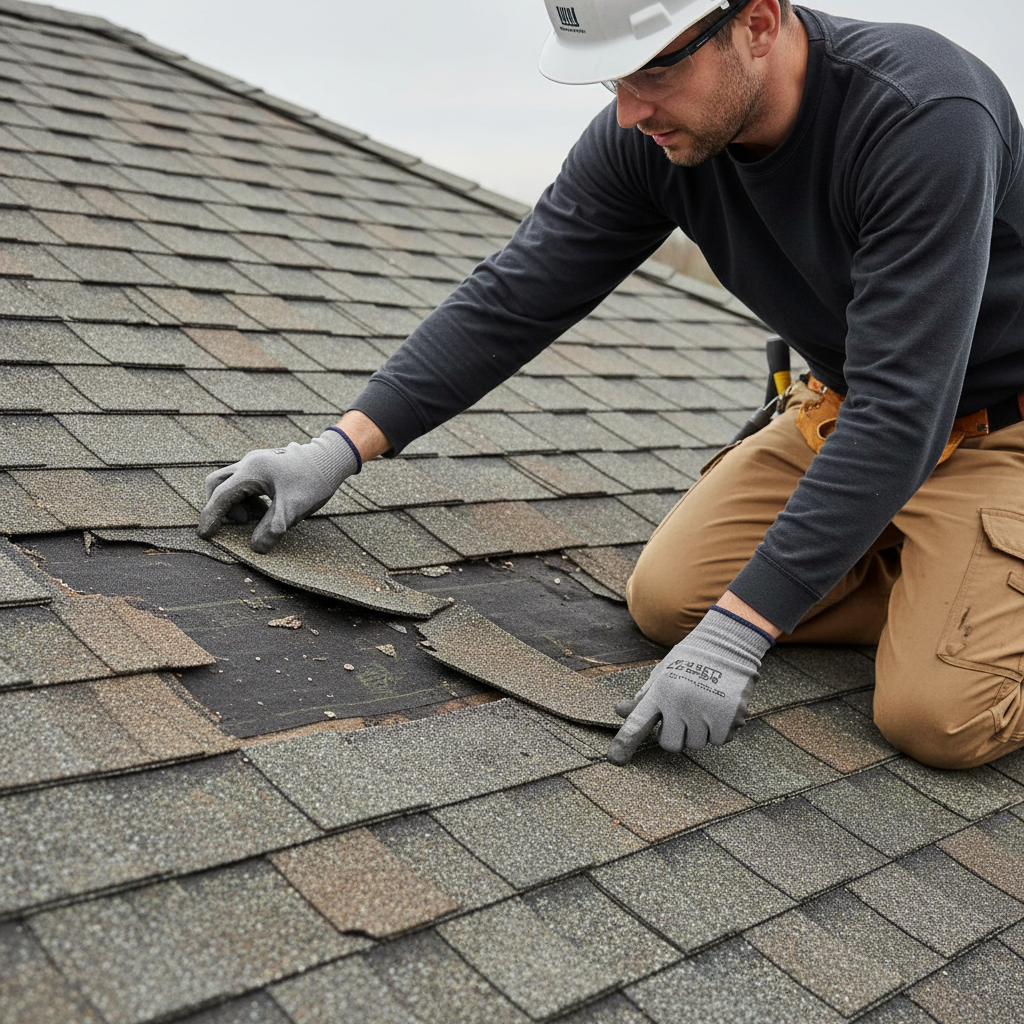
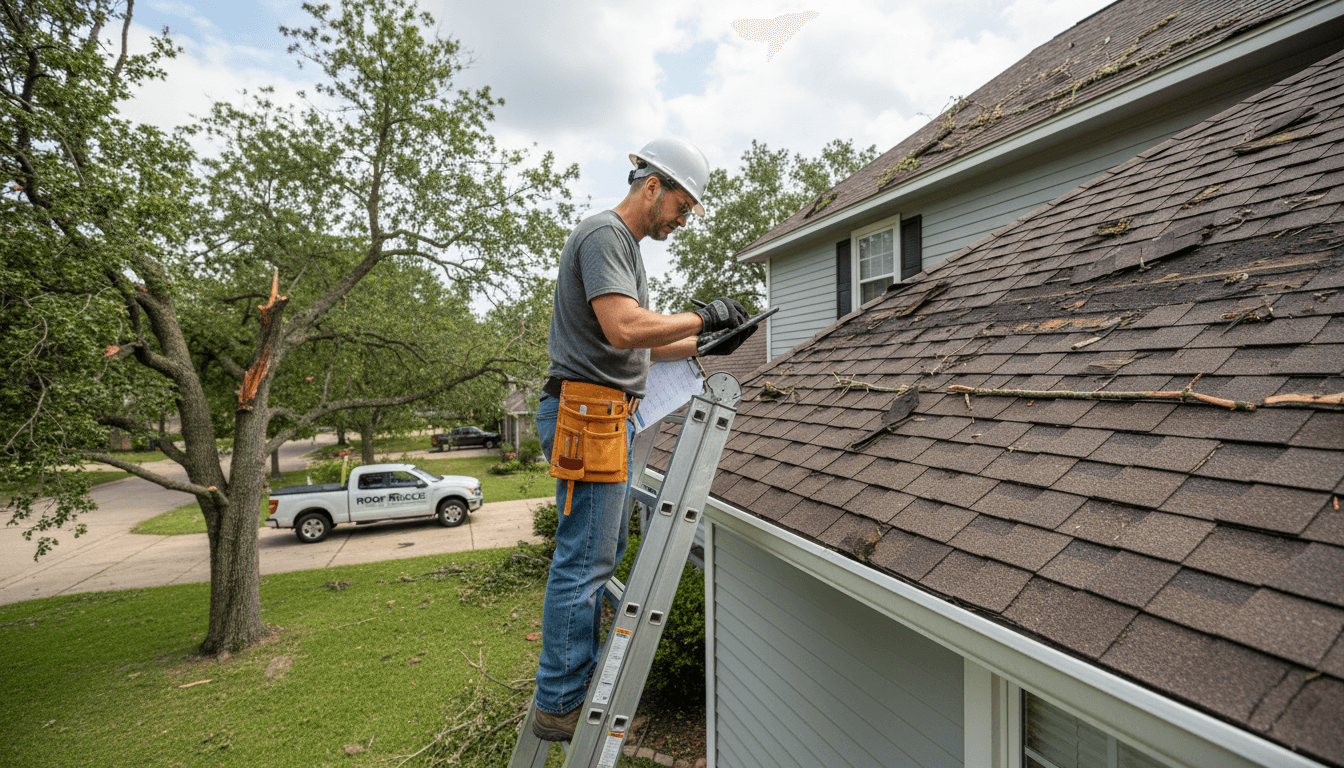
To conduct a thorough roof inspection before winter, start with a walk around your property using binoculars to spot high-level damage before climbing a ladder. You are looking for more than just missing pieces of material. Pay close attention to curling or buckling shingles. Curling, where the edges of the shingle turn upward or claw inward, usually indicates the material is reaching the end of its lifespan due to years of high-desert sun exposure. Buckling, which looks like a distorted hump running vertically up the roof, often points to an underlayment failure or moisture trapped in the decking. In our region, these defects allow wind-driven snow to bypass the primary barrier and sit directly against the wood.
Check your gutters for an accumulation of ceramic granules that look like coarse sand. This granule loss is a critical indicator of a failing roof. These granules act as a protective layer against UV radiation; once they are gone, the asphalt core of the shingle becomes brittle and prone to cracking under the weight of heavy snow. A roof lacking granules has no defense against the intense sunlight we experience in Price and Helper. Our understanding of these specific environmental stressors is a core part of what we share about our local expertise when working with Carbon County residents.
Next, use a ladder to inspect the flashing around chimneys, skylights, and plumbing vents. In Utah homes, these transitions are the most common points for water intrusion. Look for cracked sealant, rusted metal, or gaps where the flashing has pulled away from the brick or siding. Because Carbon County experiences significant wind gusts off the Wasatch Plateau, you must also check for wind lift. Even if a shingle looks flat from the ground, the sealant strip underneath may have broken. This allows the shingle to flap and let moisture underneath during a blizzard.
If you notice these signs, it is time to contact Keith Roofing for a detailed assessment before the first major storm hits. Our team provides residential and commercial roofing services that specifically address these vulnerabilities. By identifying these issues now, you avoid the emergency repairs that become significantly more difficult and expensive once the roof is covered in ice.
Cleaning Gutters and Downspouts to Prevent Ice Dams
Cleaning your gutters is more than a chore; it is a critical component of a professional grade roof inspection before winter. In our region, the most common answer to the question, "How can I prevent ice dams from forming on my roof?" is to ensure your drainage system is completely unobstructed. When leaves, twigs, and high-desert dust accumulate in your gutters, they act as a sponge, trapping water that would otherwise flow away. As temperatures drop, this trapped water freezes solid at the eaves, creating a physical barrier. This ice dam causes subsequent snowmelt to back up under your shingles, leading to significant interior water damage.
During your inspection, verify that your downspouts are clear and extending at least five feet away from your home's foundation. This distance is vital to prevent water from pooling near the basement or crawlspace, where it can cause heaving during the deep freezes common in Price. You must also look closely at the gutter line for any signs of sagging. A gutter that pulls away from the fascia board or sits at an improper angle is a major liability. A single foot of heavy, wet snow can weigh hundreds of pounds; if your gutters are already compromised by weight or failing brackets, they will likely collapse before spring arrives.
Maintaining these systems ensures that our residential and commercial roofing services provide the long-term protection your property deserves. If you find significant buildup or structural sagging you cannot address safely, it is best to contact Keith Roofing to ensure your home is fully prepared for the heavy snow loads typical of the Wasatch Plateau.
Attic Insulation and Ventilation: The Secret to a Winter-Ready Roof
While gutters manage water once it flows, the temperature of your roof determines how that water behaves in the first place. A comprehensive roof inspection before winter must include a trip into the attic to evaluate its internal climate. In Carbon County, where night temperatures frequently drop below zero, the primary goal is to keep your roof deck at a temperature consistent with the outside air. If your attic lacks sufficient insulation or proper ventilation, heat from your living space migrates upward and warms the underside of the roof deck. This causes the bottom layer of snow to melt prematurely. As that liquid water reaches the cold, unheated eaves, it refreezes, creating the dangerous ice dams mentioned previously.
During your internal inspection, look for specific warning signs. Bring a flashlight and examine the underside of the roof deck for dark staining or fuzzy growth. Mold and moisture on the plywood indicate that humid air is being trapped rather than exhausted. You should also check for light through your soffit and ridge vents; if you cannot see daylight, your vents are likely blocked by blown-in insulation, which suffocates the airflow. These blockages are common in older homes in Price and Helper and lead to rapid shingle deterioration.
Properly managing these internal factors is what separates a long-lasting roof from one that requires constant repair. Our residential and commercial roofing services include evaluating these ventilation systems to ensure they meet modern standards. If you notice damp insulation or a sudden spike in heating costs, it often points to a ventilation failure that shingles alone cannot fix. You can learn more about our local expertise in balancing these complex systems to withstand the unique climate of the Wasatch Plateau.
Understanding the 25 Percent Rule and When Repairs Aren't Enough
While maintaining ventilation helps, a roof inspection before winter sometimes reveals damage that exceeds simple maintenance. Homeowners often ask about the 25 percent rule, a common building code requirement in many Utah jurisdictions. This rule generally dictates that if more than 25 percent of a roof section is damaged or requires repair within a year, the entire roof surface must be replaced to meet current safety standards. In Price and Helper, this is not just a bureaucratic hurdle; it ensures the structure can withstand the specific snow loads of the Wasatch Plateau.
A professional assessment might identify fail conditions that a simple DIY patch cannot fix. One primary concern is structural sagging, which often indicates that the rafters or decking have been compromised by long-term moisture or excessive weight. Another critical failure point is the presence of multiple layers of shingles. If your home already has two layers, local codes typically prohibit adding a third because the combined weight of the material and a heavy Carbon County snowpack could lead to a catastrophic collapse.
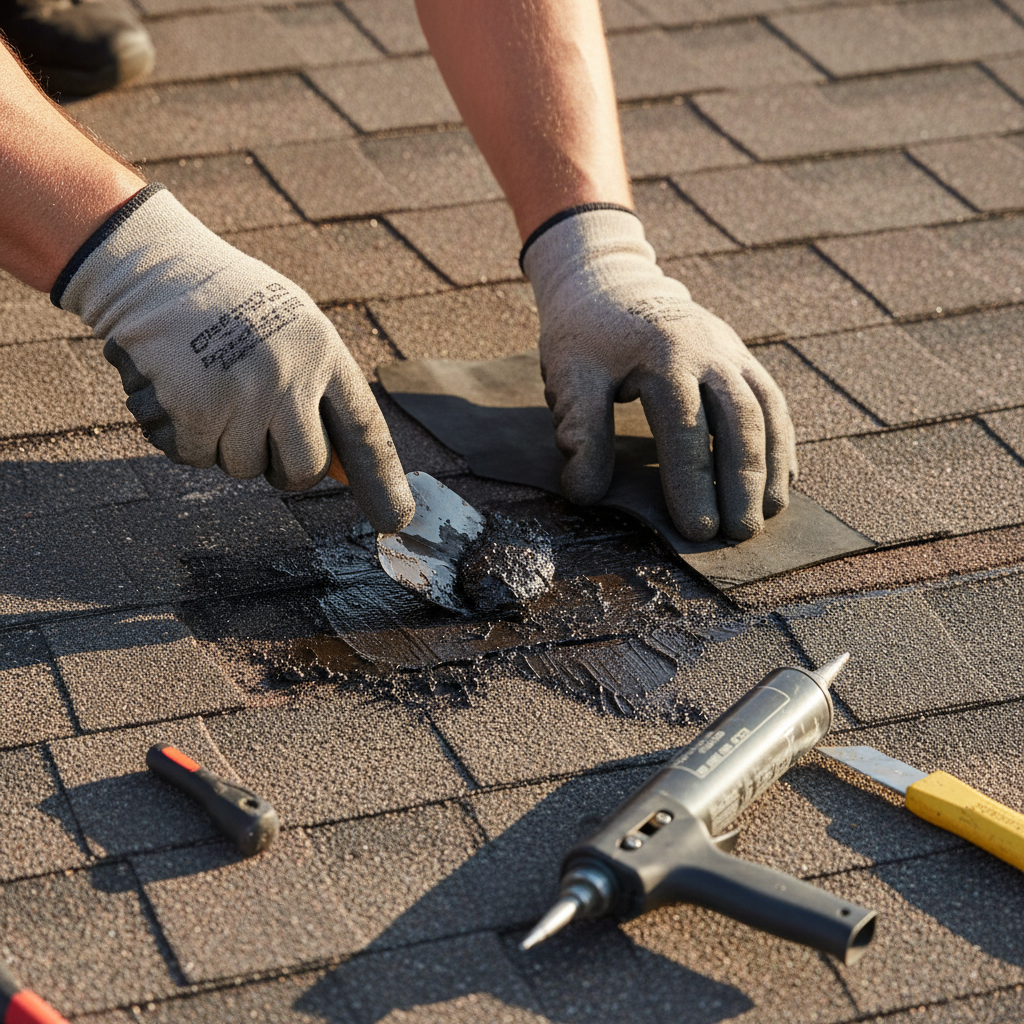
Deciding between a DIY patch and a full replacement depends on the scope and nature of the damage. A homeowner can often replace a single wind-blown shingle or reseal a small gap in flashing safely. However, if you notice widespread granule loss, multiple leaks, or signs of structural stress, you should contact Keith Roofing for a professional evaluation. Our residential and commercial roofing services focus on ensuring your property remains compliant with local codes while providing maximum protection. Understanding these thresholds is a key part of what we share about our local expertise, helping you decide when a repair is a viable fix and when a full replacement is the only safe option for the winter ahead.
Professional Roof Inspection Requirements and Safety Standards
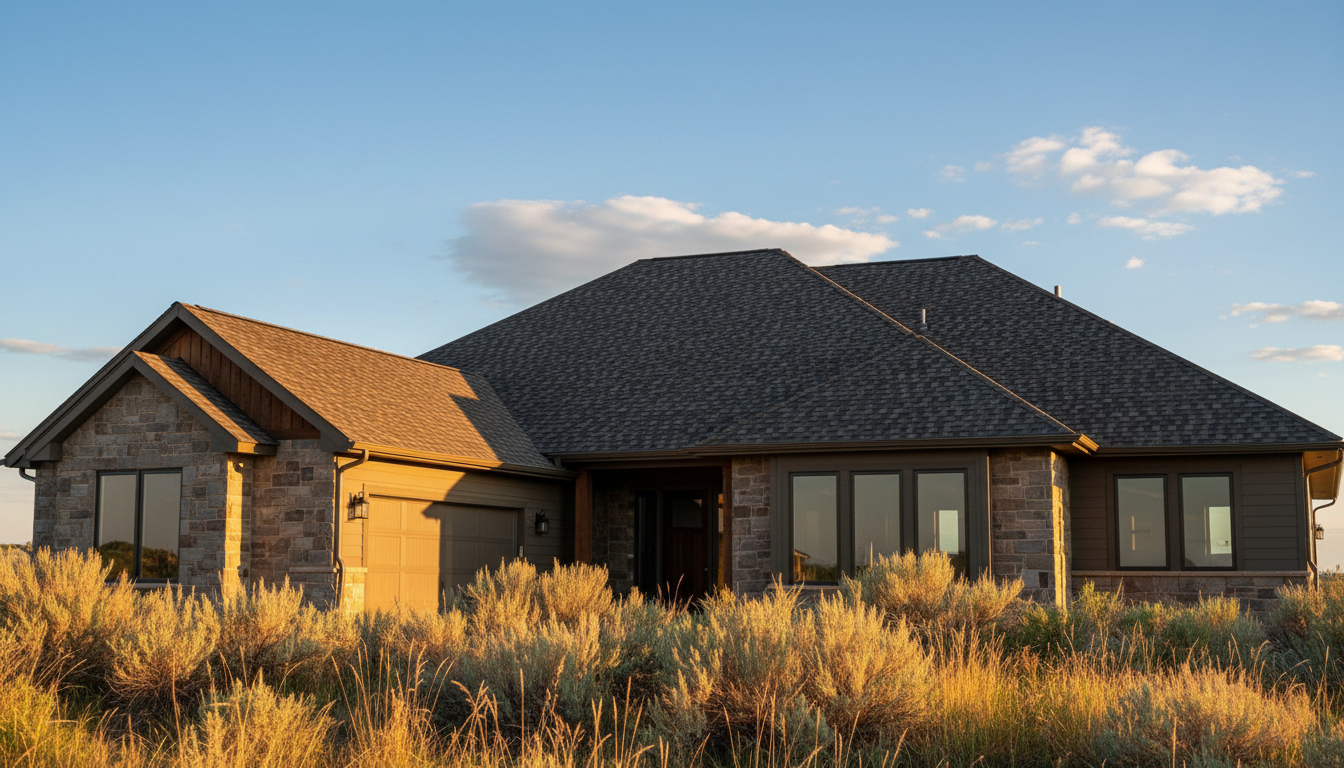
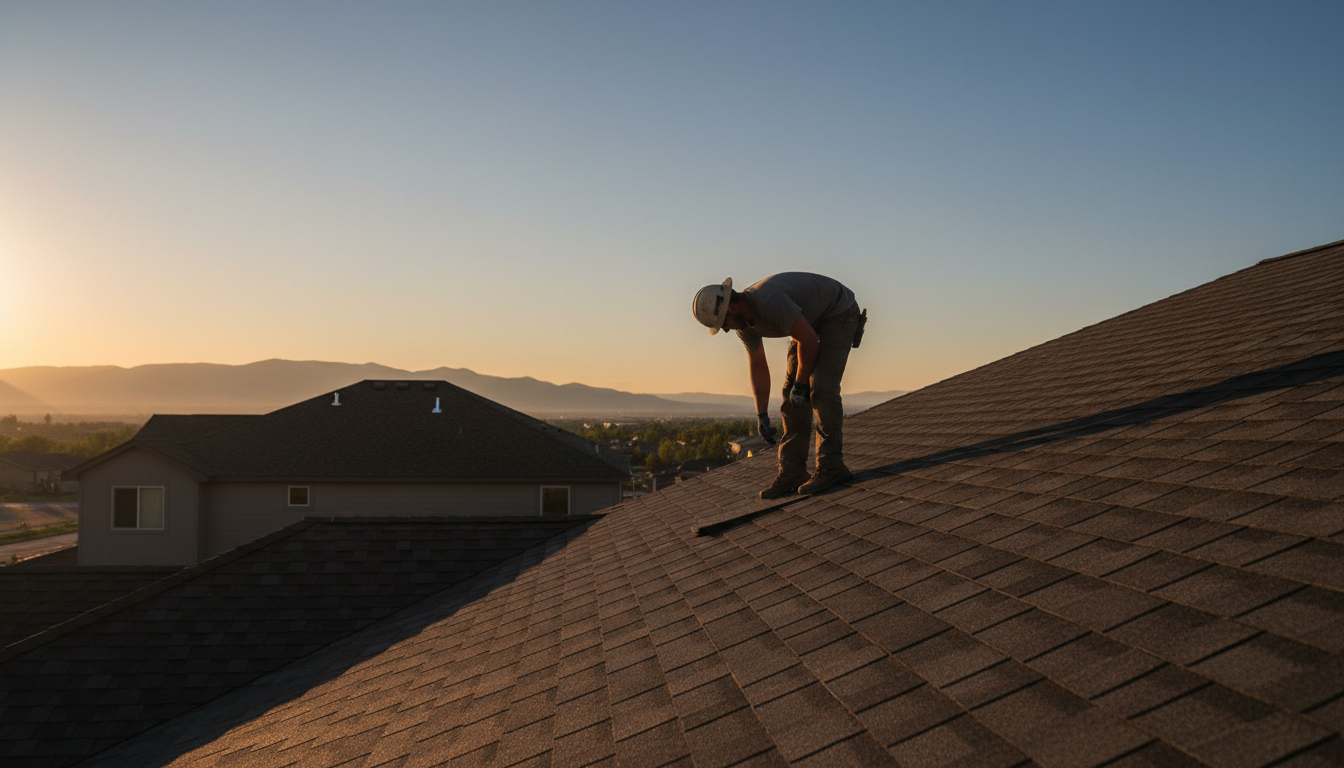
A homeowner visual check is a vital first step, but it cannot replace the technical depth of a professional assessment. Climbing onto a roof, especially one with a steep pitch or early frost, requires specialized safety equipment like OSHA-compliant fall arrest systems and high-traction footwear that most residents do not own. Beyond safety, a trained eye identifies subtle indicators of failure that are invisible from a ladder.
Professional roof inspection guidelines require a systematic evaluation of the entire system, from the drip edge to the ridge cap, as part of a thorough roof inspection before winter. We physically walk the surface to detect deflection or soft spots in the plywood decking. These areas often signify moisture-saturated wood that will fail under the pressure of a major Carbon County blizzard. We also examine fastener patterns to ensure shingles are anchored properly against the high-velocity winds that sweep through Price and Helper.
Our residential and commercial roofing services utilize these detailed protocols to ensure every component can withstand the massive snow loads typical of the Wasatch Plateau. If you are unsure about the structural integrity of your home, contact Keith Roofing for a comprehensive evaluation. Relying on about our local expertise ensures that your property is not just visually clear of debris, but structurally sound for the harshest months of the year.