Filing a roof insurance claim involves documenting storm damage with photos, scheduling a professional inspection, and submitting a formal request to your insurance provider. Homeowners should review their policy coverage and provide comprehensive evidence to ensure they receive a fair payout for necessary repairs or replacement.
Dealing with the aftermath of a severe Carbon County storm is stressful enough without the added burden of a complex insurance filing. When high winds or heavy hail compromise your shingles, the clock begins ticking on your ability to secure a fair payout. Navigating the bureaucracy of adjusters and policy fine print requires more than just a ladder; it demands a strategic understanding of how the industry operates in the Utah climate. At Keith Roofing, we know that a single missed detail can lead to a rejected claim or a significant financial loss. This guide provides a professional roadmap through the entire process, covering everything from initial damage documentation to the nuances of RCV versus ACV payouts. You will learn how to schedule a proper inspection, what to expect when meeting an adjuster, and how to effectively appeal a denial to ensure your home remains protected.
Navigating the Roof Insurance Claim Process in Carbon County
Residents in Price, Helper, and Wellington understand how quickly a calm afternoon can turn into a significant financial burden. A severe storm does more than just rattle windows; it introduces the immediate stress of potential leaks and the daunting task of navigating a roof insurance claim. This process is a formal request for your insurance provider to cover the costs of repairing or replacing your roof after it sustains damage from specific, covered events.
In Carbon County, local expertise is vital because our weather patterns are unique. We face three primary culprits: high wind gusts coming off the Wasatch Plateau, abrasive hail, and the immense weight of heavy snow loads. These forces affect shingles and underlying structures differently than in other regions. Without a professional who understands these local stressors, small issues can be overlooked by general adjusters, which often leads to denied coverage or underpaid settlements.
This guide provides a clear roadmap to take you from initial storm damage to a fully restored roof. By focusing on professional residential and commercial roofing services that utilize quality materials and proven methods, homeowners can ensure their property is protected without leaving money on the table. Moving from the initial shock of a storm to a completed restoration requires precise documentation and a thorough understanding of how Utah insurers evaluate climate specific damage.
Identifying Storm Damage Specific to the Utah Climate
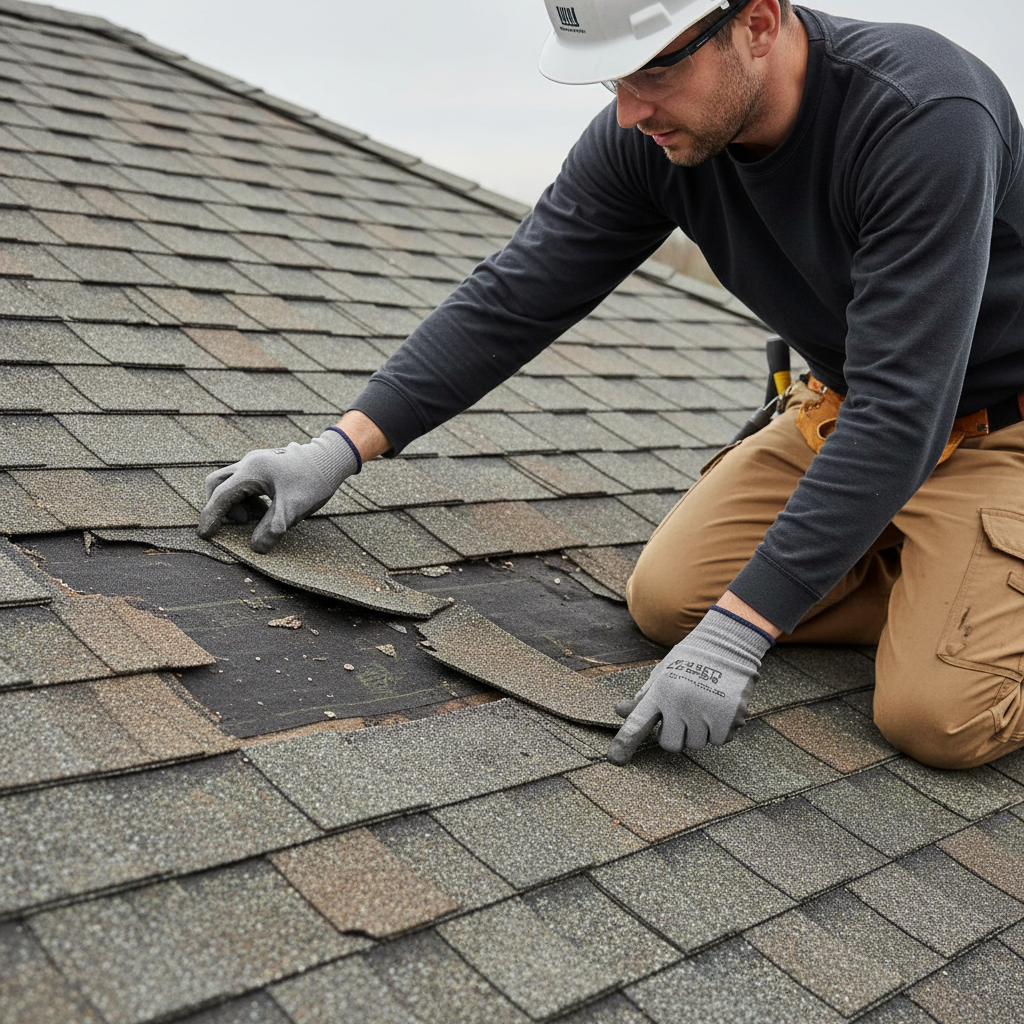
Identifying the specific markers of storm damage in Carbon County requires an expert eye for how local weather patterns interact with different materials. High wind gusts coming off the Wasatch Plateau often create uplift, which breaks the adhesive seal of your shingles. Even if a shingle is not completely missing, a lifted shingle is functionally compromised because it can no longer effectively shed water during the next driving rain.
Heavy, wet snow is another regional concern for both residential and commercial roofing services throughout the county. Unlike light powder, our heavy snow loads can cause significant structural strain. Homeowners should look for subtle sagging along the roof ridge or new cracks in interior ceilings, which suggest the weight has pushed the framing beyond its limits. These are signs of functional damage that go beyond simple aesthetics.
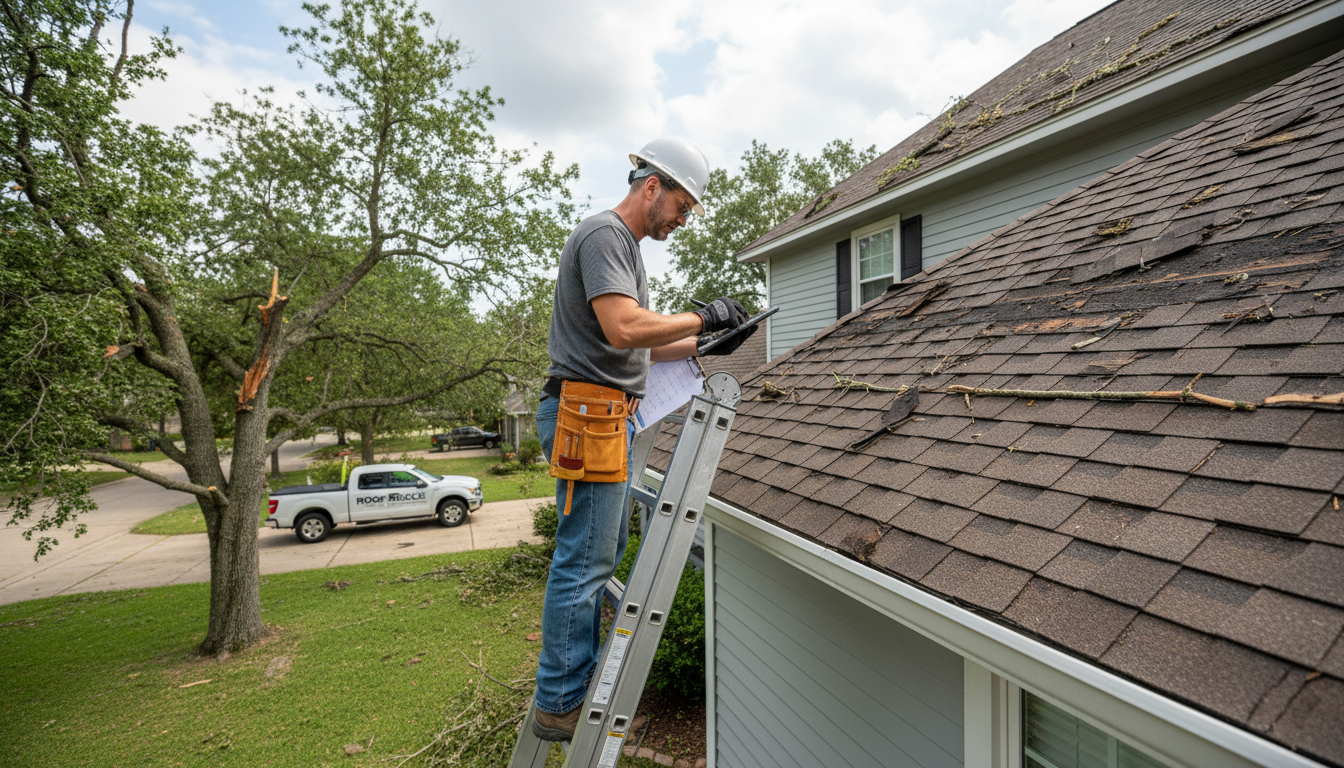
Hail damage is perhaps the most technical area of a roof insurance claim. True hail impact manifests as bruising, which are soft spots under the shingle surface, or circular dents in metal vents and flashing. You may also see significant granule loss, where the protective stony layer is knocked away, exposing the black asphalt underneath to UV rays. It is vital to distinguish between functional damage, which shortens the roof's lifespan, and purely cosmetic scratches that do not impact the roof's integrity.
In Utah, the age of your shingles is the primary factor in whether a hail claim is approved or denied. Brittle, older shingles fail more easily under impact. However, insurance adjusters often attempt to classify this as wear and tear rather than storm damage. Utilizing quality materials and proven methods for your roof helps its resilience, but once a storm hits, you must prove the impact caused a functional failure. If you suspect your roof has been compromised by these local conditions, contact Keith Roofing for a professional assessment before the damage worsens.
Step 1: Immediate Documentation and Temporary Repairs
Once the storm passes, the clock starts ticking on your recovery. Many Utah insurance policies include a strict window for filing a roof insurance claim, sometimes as short as 30 days from the date of the event. To protect your financial interests, document the exact date and time the storm hit Carbon County. Start by taking clear, high-resolution photos of your property from the ground. Capture any visible debris, downed limbs, or shingles that have landed in the yard. You do not need to climb onto the roof to get these shots; ground-level photos of localized damage or water intrusion inside the home are often sufficient to initiate the process.
Insurance carriers also require policyholders to take reasonable steps to mitigate further damage. This means preventing a small leak from turning into extensive interior water damage or structural rot. If you identify an active leak, place buckets to catch dripping water and move furniture or electronics away from the affected area. If there is a visible breach in the roof, applying a temporary tarp is often necessary to stay compliant with your policy terms.
However, Carbon County residential architecture often features steep pitches designed to shed heavy snow. These slopes are extremely dangerous, especially when they are wet or covered in loose granules. You should avoid DIY repairs that put your physical safety at risk. Instead, focus on gathering initial evidence and securing the interior of your home. You can then contact Keith Roofing to provide professional residential and commercial roofing services for emergency stabilization. Relying on quality materials and proven methods for these initial steps ensures that your temporary fixes do not lead to complications or safety hazards before the official adjuster arrives.
Step 2: Scheduling a Professional Roof Inspection

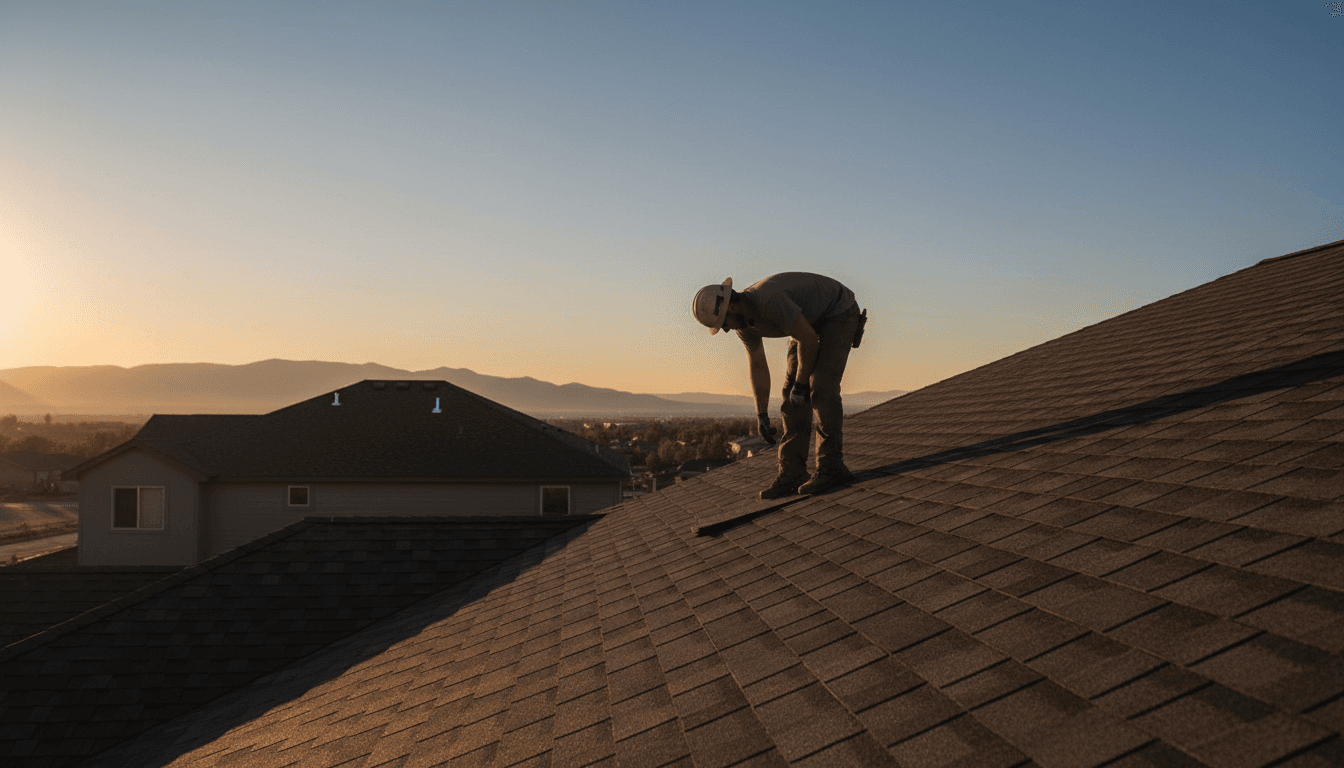
After securing your home from immediate leaks, your next move is to schedule a professional assessment before calling your insurance company. While an insurance adjuster works for the carrier, a contractor from Keith Roofing works for you. This distinction is critical for a successful roof insurance claim. A seasoned professional can differentiate between a "bruised" shingle caused by recent hail and the natural granule loss associated with simple aging. Adjusters often attribute damage to wear and tear to avoid a payout, but a detailed contractor’s report provides the technical evidence needed to dispute those findings.
Local expertise is also essential for navigating Carbon County building codes. Cities like Price or Helper may have specific requirements for ice and water shields or ventilation that have changed since your original roof was installed. If local laws mandate these upgrades, your insurance policy may be required to cover the additional cost. Having a contractor who understands these nuances ensures that your initial estimate reflects the true cost of restoration. By utilizing quality materials and proven methods during the inspection phase, you establish a baseline of facts that protects your property. For a thorough evaluation of your residential or commercial structure, contact Keith Roofing to ensure no damage is overlooked before the adjuster arrives. This professional report serves as your primary tool for securing a fair settlement for residential and commercial roofing services.
Step 3: Filing the Claim and Meeting the Adjuster

Once you have professional documentation in hand, initiate the formal process by calling your insurance carrier’s claims department. You will need to provide your policy number and the specific date of loss associated with the storm event. The representative will assign a claim number and schedule a time for an insurance adjuster to visit your property and evaluate the damage. This visit is the most critical stage of the roof insurance claim process, as the adjuster’s report dictates the initial settlement offer.
Homeowners often worry about what not to say to a roof insurance adjuster. The best approach is to be honest but technically precise. Avoid using phrases like "wear and tear," "old age," or "it has been leaking for years." These terms suggest gradual deterioration, which insurance policies typically exclude. If you describe the damage as a maintenance issue rather than the result of a specific wind or hail event, you risk an immediate denial. Stick to the facts of the storm and the visible changes you noticed immediately afterward.
We strongly recommend scheduling the adjuster’s visit at a time when your contractor can also be present. Having a professional who performs residential and commercial roofing services on-site ensures that no subtle damage, such as shingle bruising or localized flashing failure, is overlooked. A representative from Keith Roofing can speak the same technical language as the adjuster, pointing out how Carbon County’s high winds or heavy snow loads specifically impacted the structure. This collaborative approach, rooted in quality materials and proven methods, helps ensure the adjuster’s scope of work is accurate from the start. To coordinate a joint site visit, contact Keith Roofing as soon as your adjuster provides a meeting time.
Understanding Your Payout: RCV vs ACV Explained
After the adjuster completes their inspection, you will receive a summary of the payout. Understanding the math behind this offer is essential for finishing your project without unexpected debt. Most policies fall into two categories: Actual Cash Value (ACV) or Replacement Cost Value (RCV).
Imagine a storm damages your roof in Price, and the total cost for residential and commercial roofing services to replace it is $12,000, with a $1,000 deductible. If you have an ACV policy, the insurance company calculates the roof's current value based on its age. If your shingles are 10 years old with a projected 20 year lifespan, they may determine the structure has depreciated by 50 percent. In this scenario, the carrier subtracts $6,000 for depreciation and your $1,000 deductible, leaving you with an initial check for only $5,000. This often answers the common question of whether insurance will cover a 20 year old roof; they generally will, but the ACV payout reflects the value of the old materials rather than the cost of a modern replacement.
If you have an RCV policy, the process includes a second step that allows you to recoup these costs. You still receive that smaller initial check to begin the project. However, once the job is finished using quality materials and proven methods, Keith Roofing provides a final invoice to your carrier. The insurance company then releases the "recoverable depreciation," which is the remaining $6,000 in our example. To ensure your roof insurance claim covers the full cost of a durable new system, contact Keith Roofing to review your settlement summary and confirm that all necessary line items are included.
Why Roof Insurance Claims Get Denied and How to Appeal
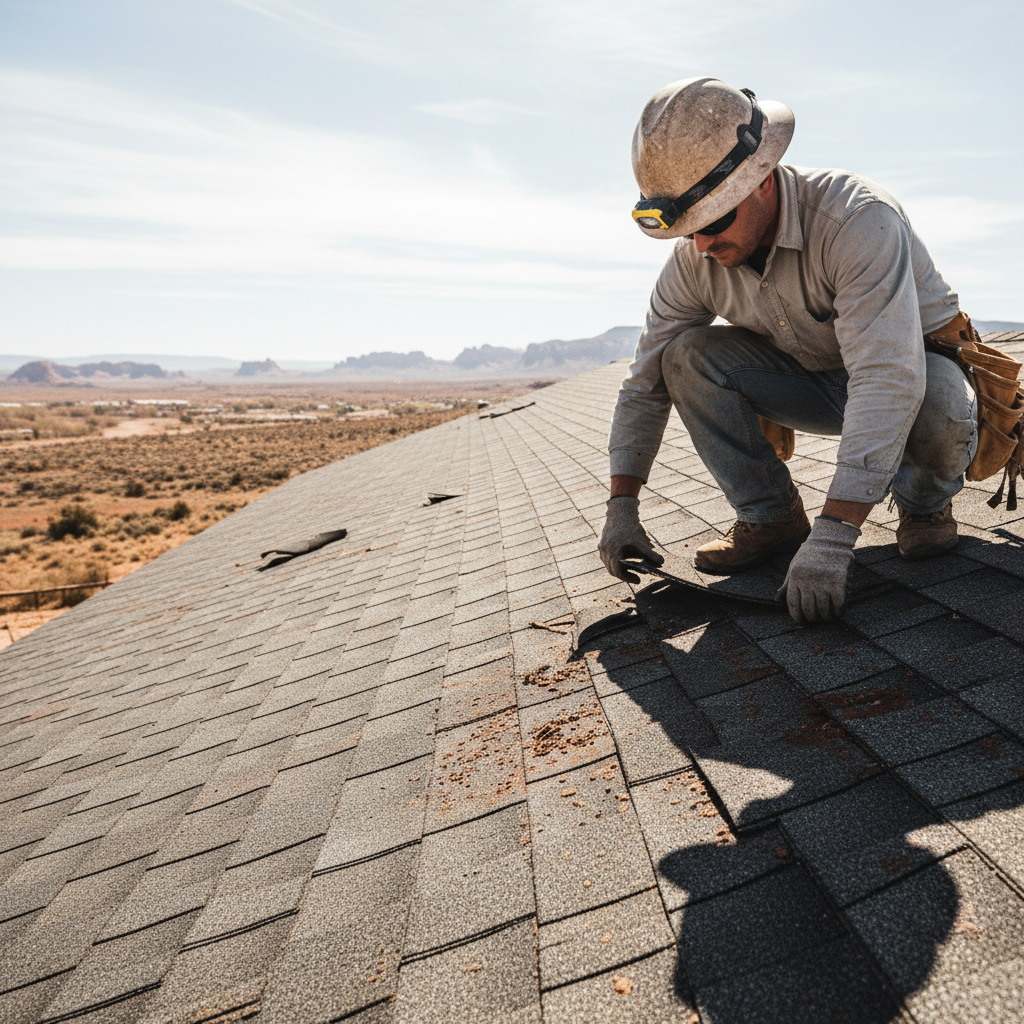
Receiving a notice that your roof insurance claim denied is frustrating, but it is not necessarily the final word. Carriers often cite specific exclusions to avoid payouts in Carbon County. The most common reason for denial is "wear and tear," where an adjuster argues that the damage resulted from a lack of maintenance or the roof reaching the end of its useful life rather than a single storm event. Other hurdles include pre-existing damage, such as old leaks that were never repaired, or cosmetic exclusions that ignore functional shingle bruising.
If you face a denial, you have the right to appeal. Start by requesting a second inspection with a different adjuster. This is where the professional documentation mentioned in Step 2 becomes your greatest asset. By presenting a detailed report that highlights specific storm impacts versus general aging, you provide the technical evidence required to challenge the carrier's findings. You may also consider hiring a public adjuster to represent your interests independently.
Ensuring your property is serviced with quality materials and proven methods before a storm hits can prevent many maintenance-related denials. If you are currently navigating a dispute, contact Keith Roofing to provide the expert residential and commercial roofing services needed to support your appeal and secure the restoration your property requires.
Frequently Asked Questions About Utah Roof Claims
Many Carbon County residents worry that filing a roof insurance claim will cause their monthly premiums to spike. Because storms, wind, and heavy snow are classified as "Acts of God," insurance companies generally do not penalize individual homeowners with a rate hike for weather related damage. Rate adjustments typically happen across an entire geographic area based on regional risk rather than one specific filing. If your neighbors are all filing claims after a major Price hailstorm, your rates might eventually move regardless of whether you personally file.
Regarding the timeline for restoration, most policies in Utah allow homeowners between one and two years to finalize repairs from the date of the loss. However, delaying work can lead to secondary issues like structural rot or mold, which insurance carriers may refuse to cover if they result from homeowner negligence. Utilizing quality materials and proven methods promptly ensures your property remains protected against the next winter cycle.
Deciding if a claim is worth filing comes down to the math of your deductible. If a repair for a few missing shingles costs $700 but your deductible is $1,000, filing a claim provides no financial benefit and adds a claim to your insurance history. If the damage is extensive enough to require full residential and commercial roofing services, the payout should far exceed your out of pocket costs. If you are unsure of the total repair value, contact Keith Roofing for a professional assessment before you call your agent.