A standard roof warranty protects homeowners by covering manufacturing defects in materials and installation errors made by the contractor. These agreements ensure long term performance, but coverage can be voided by improper ventilation, DIY repairs, or unauthorized modifications to the roofing system.
Most Carbon County homeowners believe a new roof comes with total peace of mind, yet many discover too late that their warranty is little more than a marketing promise. When a high wind event or heavy snowfall causes damage, the fine print often reveals hidden exclusions that leave you paying out of pocket. At Keith Roofing, we believe professional roofing is defined by transparency and long term performance. Understanding the nuances of your coverage is essential for protecting your most significant investment. This guide breaks down the critical differences between manufacturer and workmanship warranties, explains how local Utah regulations like the 25% rule impact your project, and highlights the common pitfalls that can void your protection. You will learn how to maintain your coverage and ensure your investment remains secure for decades.
Understanding the Foundations: Manufacturer vs Workmanship Warranties
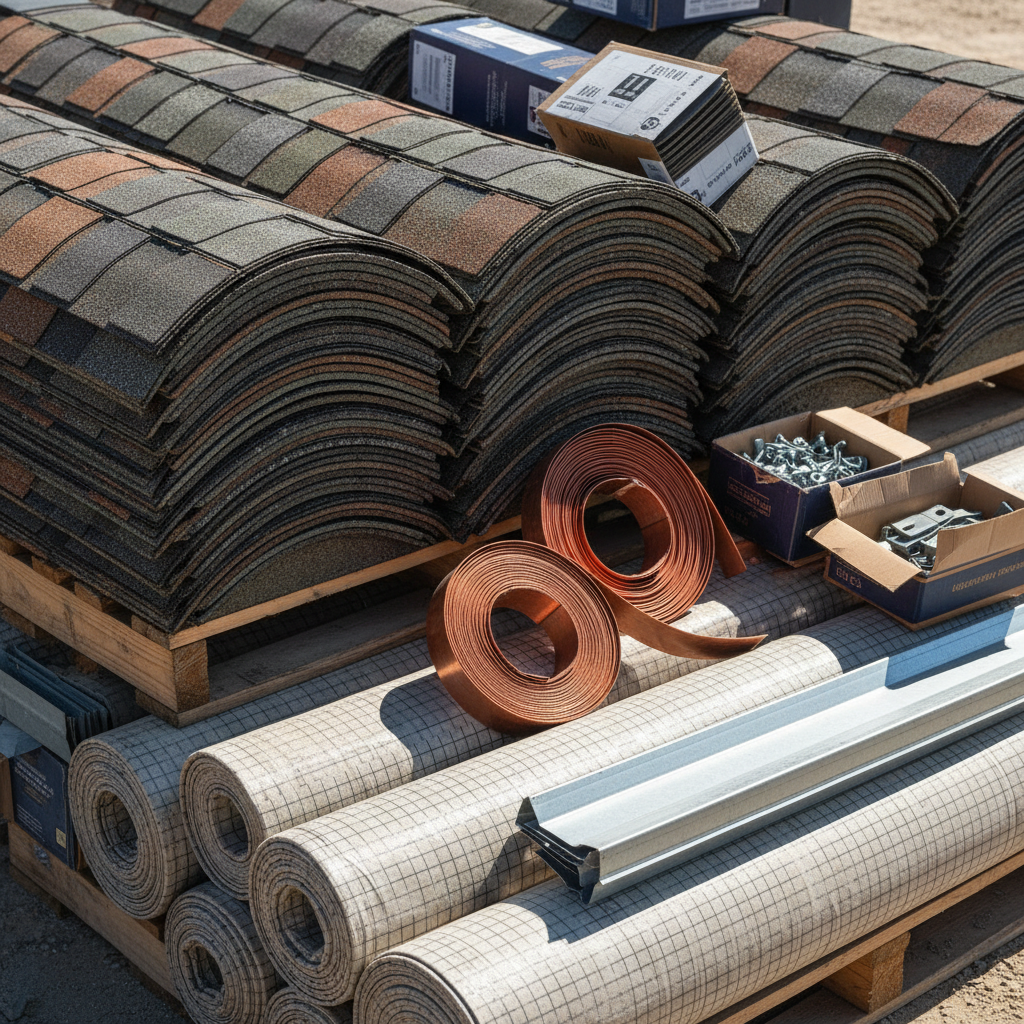
A new roof is a significant investment in your property's long term durability. When discussing a roof warranty, it is vital to distinguish between two distinct forms of protection. These are not interchangeable, and understanding the difference ensures you know which party is responsible if a problem develops.
The manufacturer warranty, or material warranty, covers the physical components of the roof. This protects you against factory defects in the shingles or underlayment. If a shingle loses its protective granules prematurely or fails to seal due to a production error, the manufacturer provides the remedy. A workmanship warranty, however, is provided by the contractor and covers the labor. If a leak occurs because of an incorrectly installed valley or poor flashing around a chimney, the contractor must fix the error. High quality materials cannot compensate for poor technique, which is why the labor guarantee is just as critical as the shingle rating.
It is equally important to differentiate these coverages from homeowners insurance. While warranties address product quality and installation integrity, insurance typically covers sudden, accidental damage. In Carbon County, this usually means damage from heavy snow loads, high wind events, or falling objects. Insurance does not cover manufacturing flaws, installation mistakes, or simple wear and tear. Homeowners seeking reliable residential roofing services should verify both the material and labor components of their agreement to ensure full coverage. If you are uncertain about the current state of your roof or its existing coverage, a professional roof inspection is the most practical way to assess your protection.
The Material Guarantee: How Long Does a Roof Warranty Last?
Asphalt shingles, the standard for many Utah homes, typically carry manufacturer warranties ranging from 25 to 50 years. These are frequently marketed as limited lifetime agreements. It is important to understand that the term limited refers to the scope of coverage and the timeline for full reimbursement. Most manufacturers offer a non-prorated period, often the first 10 years, where they cover the full cost of defective materials.
Once that initial period expires, the roof warranty enters a proration phase. During this time, the value of the coverage decreases annually. If a defect is discovered 20 years into a 30 year agreement, the manufacturer might only provide a credit for one third of the material costs. This reflects the reality that the product has already provided two decades of service. For homeowners investing in residential roofing services, these terms dictate the long term financial return on the material choice.
In Carbon County, environmental stressors play a significant role in how these warranties intersect with reality. The intense UV radiation at our high altitudes and the weight of heavy snow loads can cause shingles to age faster than they might in milder climates. While a warranty protects against factory flaws, it is not a substitute for the natural wear caused by Utah weather.
Metal roofing systems provide a different warranty profile, often preferred for their resilience. These products typically include separate guarantees for the finish, protecting against fading or chalking for 40 years or more, and perforation warranties that protect against rust. Because metal excels at shedding snow and resisting UV damage, these warranties often align more closely with the actual expected lifespan of the roof.
Common Ways to Void Your Roof Warranty in Carbon County
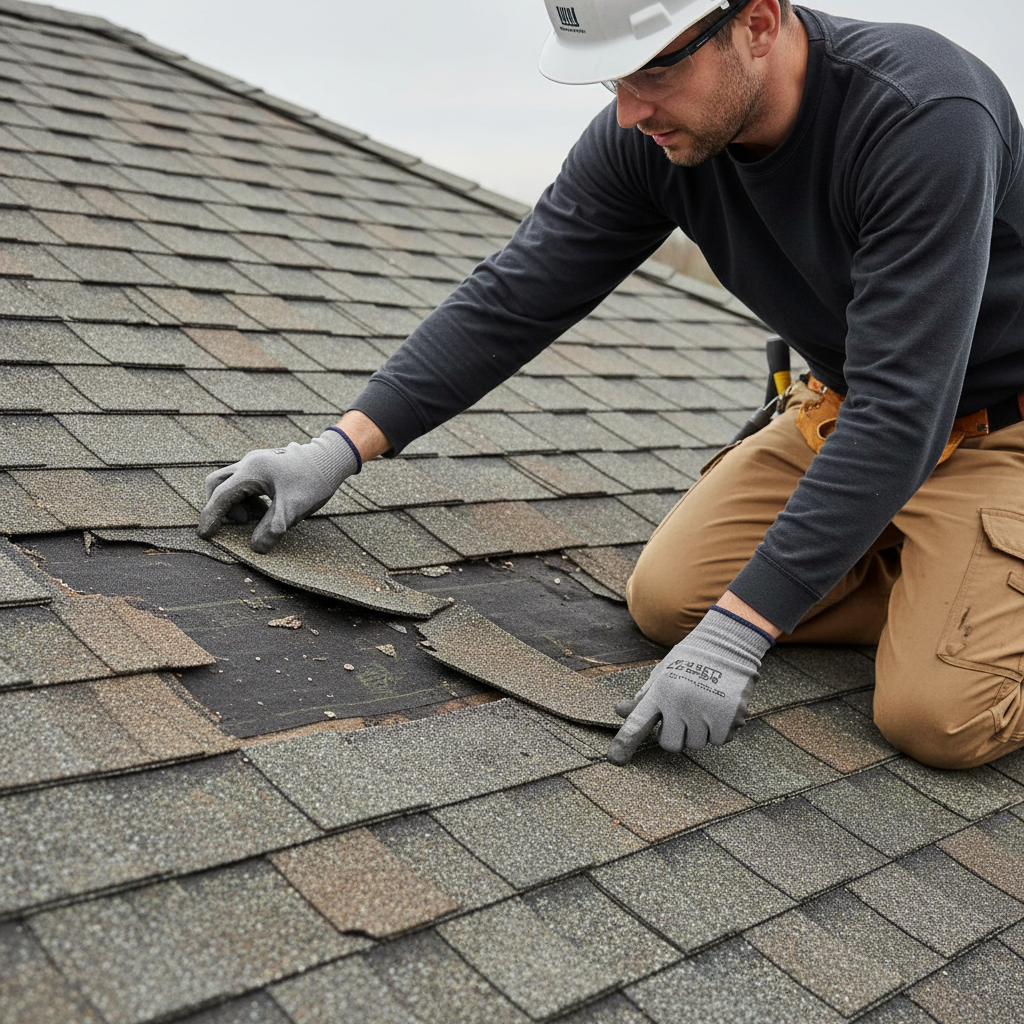
Securing a roof warranty provides peace of mind, but that protection is not absolute. Even the highest quality installation can be rendered unprotected if specific manufacturer protocols are ignored. For property owners in Price, Helper, and throughout Carbon County, these six common actions frequently result in denied claims.
Improper Ventilation: In Utah's climate, attic ventilation is a functional requirement for the longevity of the materials. During our hot summers, trapped heat can reach temperatures high enough to bake shingles from the underside, causing premature curling and brittle textures. In winter, poor airflow contributes to ice damming. Manufacturers will often deny a claim if the attic space does not meet specific square footage ventilation requirements because the environment was not properly regulated.
Layering New Shingles Over Old (Roof Overs): While a roof over might seem like a cost saving measure, it is a primary way to void a roof warranty. The second layer of shingles traps excessive heat and prevents the new materials from sealing properly against the elements. Furthermore, the added weight can stress the roof deck, leading to structural issues that manufacturers will not cover.
Unauthorized Penetrations: Mounting a satellite dish or installing solar panels without coordinating with your roofing contractor is a common mistake. Driving screws directly through the shingles creates immediate leak points. If a third party alters the roof surface, the original workmanship and material warranties are typically voided in that area.
Pressure Washing: Homeowners often try to remove moss or lichen using a pressure washer. This high pressure stream strips away the protective granules that provide UV resistance. Once these granules are lost, the asphalt core is exposed to the elements, leading to rapid deterioration that is classified as user induced damage.
DIY Repairs: Attempting to patch a leak with hardware store sealant or replacing individual shingles yourself can backfire. These repairs alter the original installation method. If a future claim is filed, the manufacturer may argue that the DIY intervention caused or exacerbated the failure.
Hiring Unlicensed Contractors: Utilizing a tailgate contractor for minor fixes to save money often leads to long term loss. Most material guarantees require that any work performed on the system be done by a licensed and insured professional who provides documented residential roofing services.
If you are unsure if a planned home improvement will impact your coverage, scheduling a professional roof inspection is the safest course of action. Protecting your investment requires maintaining the integrity of the system exactly as it was originally designed and certified.
Does a Roof Warranty Transfer to a New Owner?
For residents in Price or Helper planning to sell their property, a transferable roof warranty serves as a powerful marketing asset. It offers the buyer peace of mind that the investment is still protected against material defects long after the sale. However, transferability is rarely automatic. Most manufacturers allow for a one time transfer, but they require the new owner to submit a formal application and pay a small administrative fee, typically ranging from $100 to $250.
Timing is the most critical factor in this process. Manufacturers generally enforce a strict window, often 30 to 60 days following the real estate closing, to complete the transfer paperwork. If this deadline passes, the coverage frequently terminates, leaving the new homeowner without protection. Before listing your home, review your specific warranty certificate to confirm the requirements. Ensuring these documents are organized and ready for the title company can prevent last minute hurdles. If you are preparing to sell and cannot locate your paperwork, contact Keith Roofing to verify your installation details and confirm which protections can be passed on to the next owner.
The Impact of Installation Quality on Manufacturer Coverage
A manufacturer's promise to stand behind their product is contingent upon the installer following every line of the technical manual. This is a critical gap in homeowner knowledge; a limited lifetime shingle only retains that status if it is applied exactly as the factory intended. If a contractor uses the wrong type of nails, improper spacing, or fails to install the specific brand-matched underlayment, the manufacturer has the right to deny a claim for material failure. In their view, the product did not fail, the installation caused the failure.
For example, many high wind areas in Carbon County require specific six-nail patterns rather than the standard four-nail application. Skipping these requirements or using staples instead of roofing nails compromises the entire system. When you hire for residential roofing services, you are paying for technical precision. A manufacturer representative will often inspect a failed roof before approving a claim. If they find that shingles were not offset correctly or that the drip edge was omitted, they will attribute the leak to workmanship, leaving you to deal with the contractor rather than the factory. Ensuring your material roof warranty remains valid requires a local partner who understands these technical specifications. A professional roof inspection can often identify these installation shortcuts before they lead to a denied claim down the road.
Maintenance Requirements: Keeping Your Coverage Active
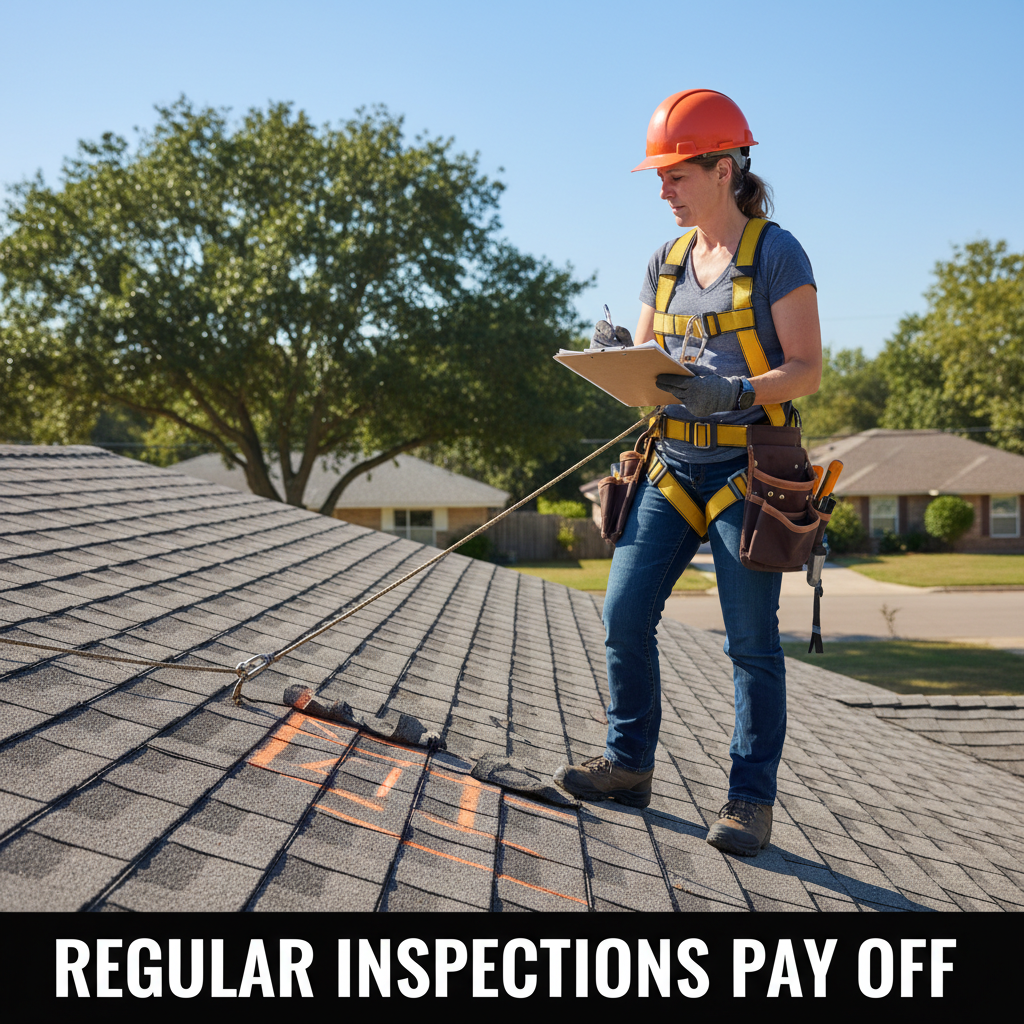
"Lifetime" warranties are rarely a "set it and forget it" arrangement. To maintain the validity of a roof warranty, manufacturers often require evidence that the property owner has performed reasonable upkeep. Neglect is one of the most cited reasons for claim denial. If a material failure occurs, the burden of proof is frequently on the homeowner to show that the roof was not abandoned to the elements.
Carbon County property owners should maintain a digital folder containing all professional roof inspection reports and receipts for minor repairs. Documenting biennial checkups creates a paper trail that protects your investment. Local environmental factors make this especially important. After the fall season, debris such as pine needles and leaves often collect in roof valleys and gutters. If left untouched, this organic matter traps moisture and causes water to back up under the shingle laps.
When water penetration is caused by clogged drainage or debris buildup, manufacturers classify the damage as preventable neglect rather than a factory defect. To keep your coverage active, ensure gutters are cleared before the first heavy snow and that any residential roofing services are performed by qualified experts. Taking these practical steps ensures that if you ever need to contact Keith Roofing for a warranty claim, your documentation is beyond reproach.
What is the 25% Rule for Roofing in Utah?
Utah building codes introduce another layer of complexity for large scale repairs. The 25% rule is a specific provision in the International Building Code adopted by the state. It dictates that if more than 25% of a roof section is repaired or replaced within any 12 month period, the entire roof must be brought up to current code standards. This often requires a complete tear off and replacement rather than a localized repair, even if the rest of the shingles appear functional.
For homeowners in Price or East Carbon, this rule significantly influences how insurance adjusters and contractors approach damage. While a standard roof warranty usually only covers the replacement of the specific defective materials, the 25% rule often necessitates a full roof replacement to remain legal under local building permits. If an insurance claim is filed for storm damage, the adjuster must account for this code requirement. If the damage exceeds the 25% threshold, the policy typically pays for a full replacement even if a large portion of the roof remains intact. To navigate these technical requirements or to see if your current damage triggers a code mandated replacement, you should contact Keith Roofing for a detailed assessment. Ensuring your project follows these local regulations is a core part of professional residential roofing services.
Understanding your roof warranty is essential for ensuring your Carbon County home remains protected against the elements. A solid policy provides peace of mind, provided you avoid common maintenance pitfalls and keep detailed records. If you want expert help managing your roofing needs or choosing the right materials, local professionals can provide the clarity you need. You can read more About Keith Roofing to see how we prioritize quality for our neighbors. We are here to help you secure a roof that lasts for decades.