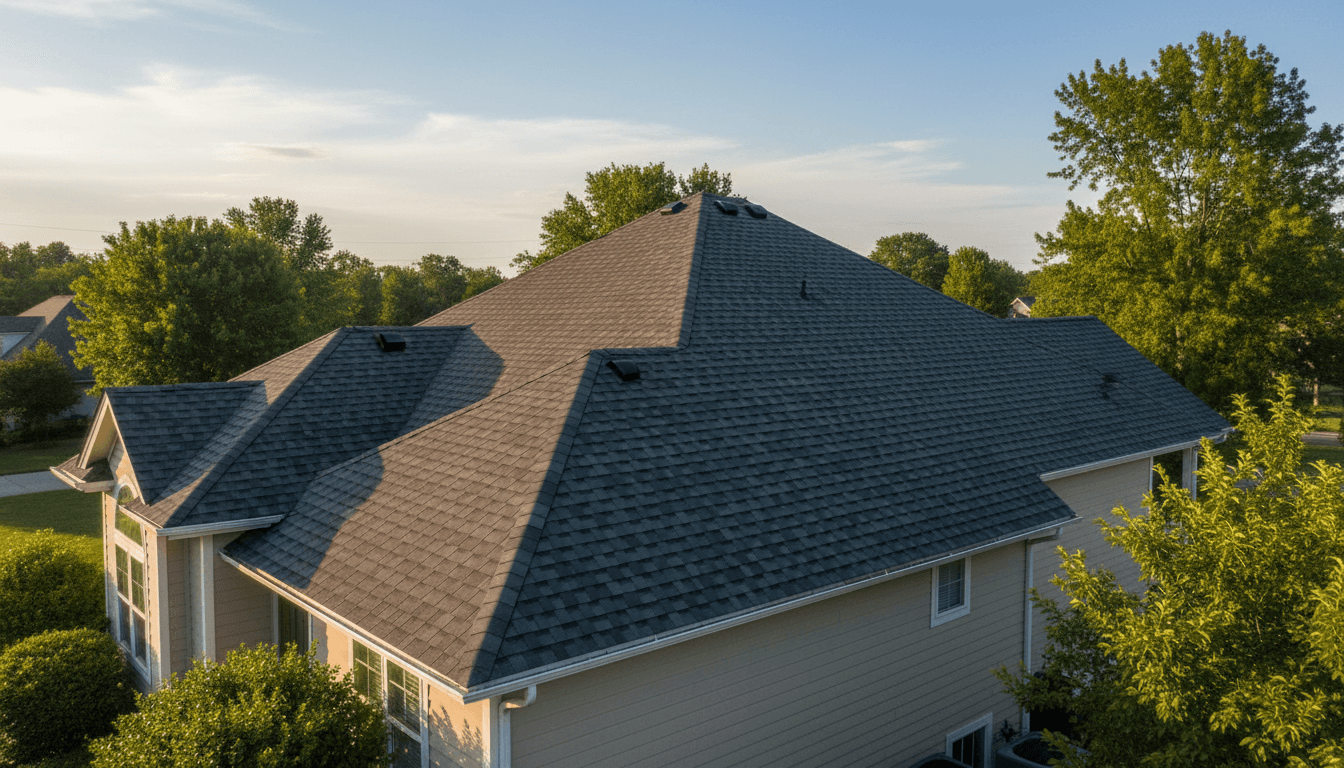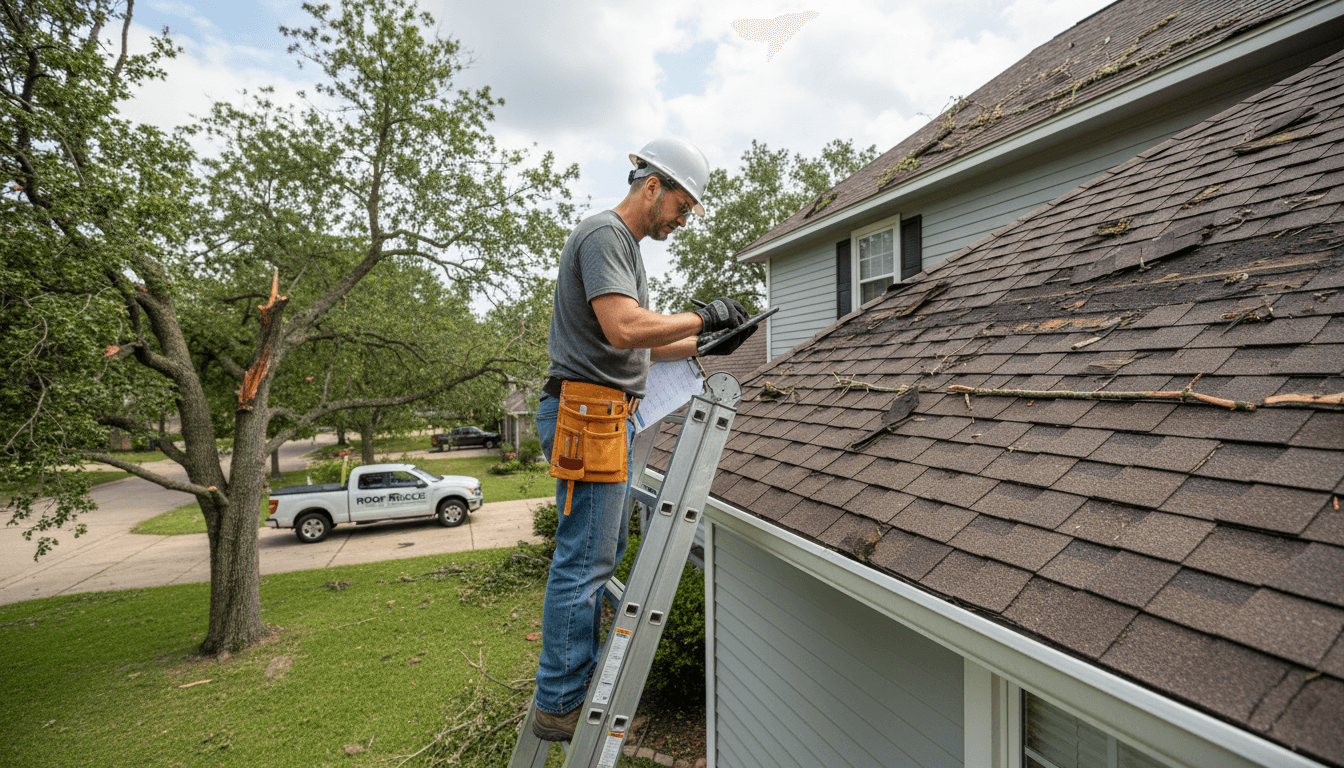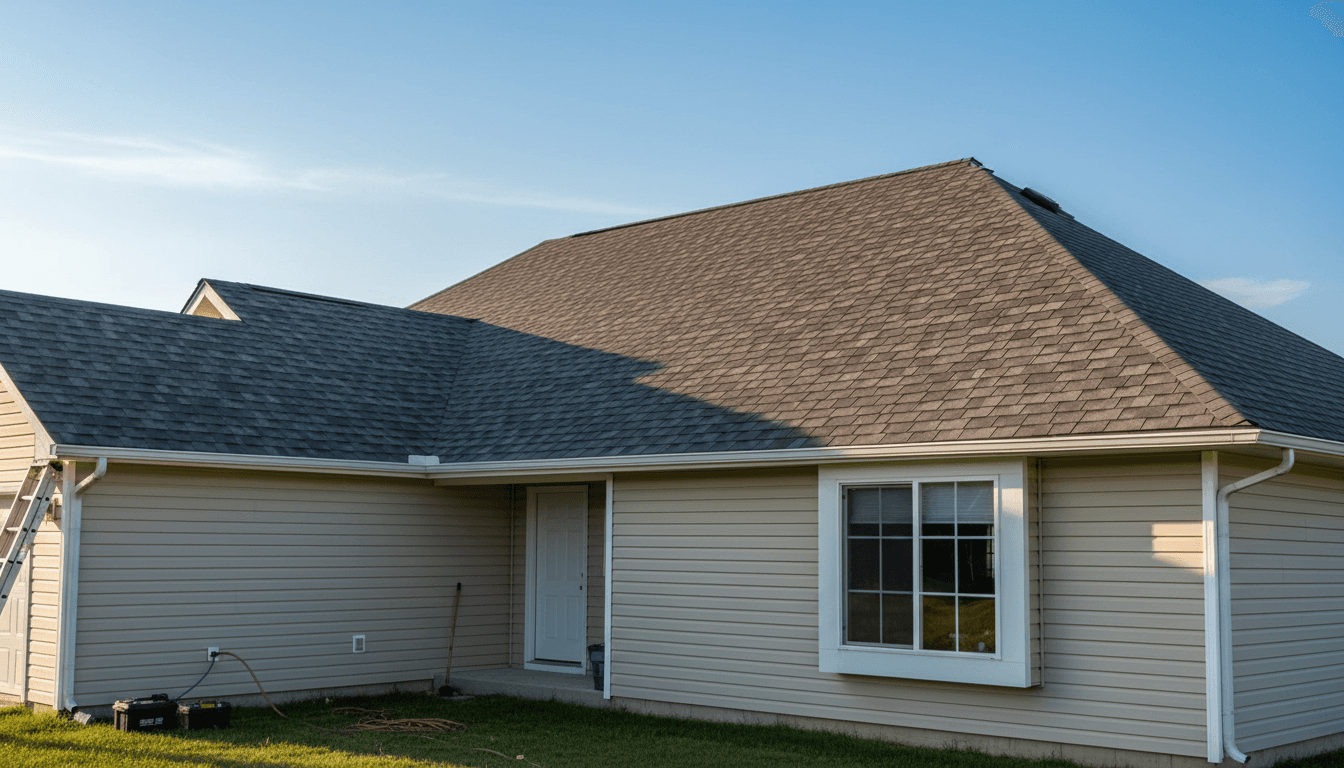
Impact resistant roofing shingles provide a durable defense against hail damage by using specialized materials tested to withstand severe weather impacts without cracking. These shingles offer long term value through reduced repair costs and enhanced property protection; they are a strategic investment for homeowners in storm prone regions like Carbon County.
For homeowners in Carbon County, the sudden onset of a localized hail storm is more than a weather event; it is a direct threat to their most significant investment. The distinct sound of ice hitting your roof often signals the beginning of a cycle of inspections, claims, and potentially premature replacements that drain both time and finances. In our high desert climate, standard roofing materials frequently struggle to withstand the physical toll of repeated impacts. This guide provides an expert look at impact resistant shingles, explaining the rigorous UL 2218 testing standards that differentiate Class 3 and Class 4 products. You will learn how these specialized materials provide a superior shield for your home, why they are a strategic investment for Utah properties, and how upgrading your roof can lead to substantial long term savings through reduced maintenance and potential insurance discounts.
The Reality of Hail and Severe Weather in Carbon County
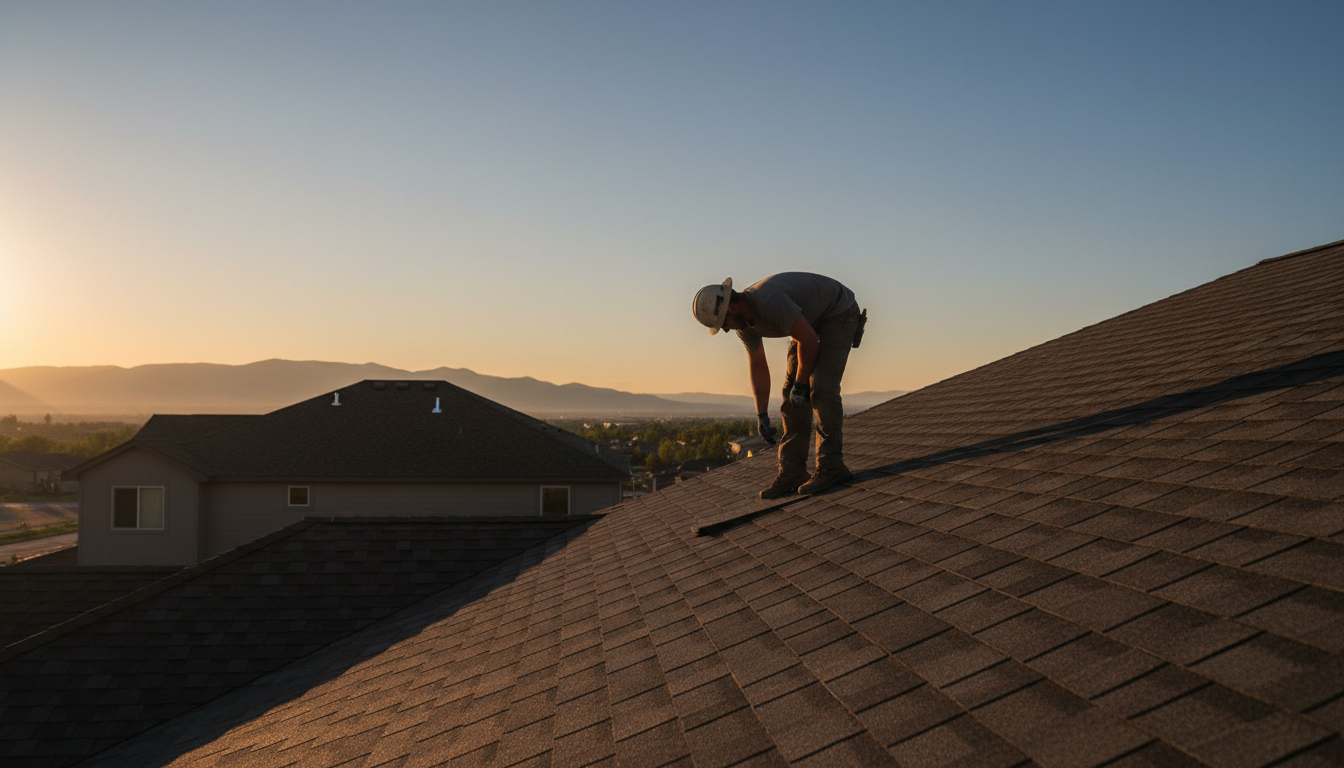
Carbon County homeowners enjoy some of the most striking landscapes in Utah, but our proximity to the mountains comes with a specific set of meteorological challenges. The geography of the Wasatch Plateau and the Book Cliffs creates a natural corridor for unpredictable weather. During the spring and summer months, afternoon heating often triggers sudden, intense thunderstorms that frequently produce hail.
For many properties, these storms represent a significant threat to long term durability. Standard asphalt shingles are designed to shed water, but they are often too brittle to withstand the physical force of falling ice. When a hailstone strikes a traditional shingle, it often causes immediate granular loss. These granules are the primary defense against UV radiation; once they are knocked loose, the underlying asphalt mat is exposed to the elements. Over time, this leads to structural weakness, cracking, and leaks that compromise the entire building envelope.
Investing in impact resistant roofing shingles is a strategic choice to counter these local conditions. By choosing materials engineered for durability, property owners can better protect their investments from the inevitable volatility of Utah mountain weather. For those needing residential and commercial roofing services that prioritize resilience, understanding these environmental stressors is the first step toward a more secure roof.
What Exactly Are Impact Resistant Roofing Shingles?
Impact resistant roofing shingles, often referred to in the industry as IR shingles, are specialized building materials designed to endure physical trauma that would destroy a standard roof. The primary difference lies in the composition of the asphalt itself. While standard shingles use oxidized asphalt that becomes increasingly brittle over time, IR shingles are typically manufactured using SBS (Styrene-Butadiene-Styrene) modified bitumen.
SBS is a synthetic rubber polymer blended into the asphalt. This modification changes the physical properties of the shingle, making it significantly more flexible and resilient. When a hailstone or windborne debris strikes the surface, the rubberized asphalt allows the material to absorb the kinetic energy and bounce back rather than fracturing. In contrast, standard architectural shingles are stiff; under the stress of a high velocity impact, the internal fiberglass matting often cracks or the protective surface granules are instantly dislodged.
It is important for property owners to distinguish between hail resistant and impact resistant terminology. Hail resistant is often used as a generic marketing term that does not necessarily imply a specific level of performance or verified durability. Conversely, impact resistant shingles have undergone rigorous laboratory testing to meet specific industry benchmarks. For those considering residential and commercial roofing services in Carbon County, choosing materials backed by these scientific modifications is the most effective way to ensure a roof remains functional after a major storm. If you have questions about how these materials behave in our specific climate, you can contact Keith Roofing for a technical breakdown of current product options.
Understanding the UL 2218 Impact Test: Class 3 vs Class 4 Shingles
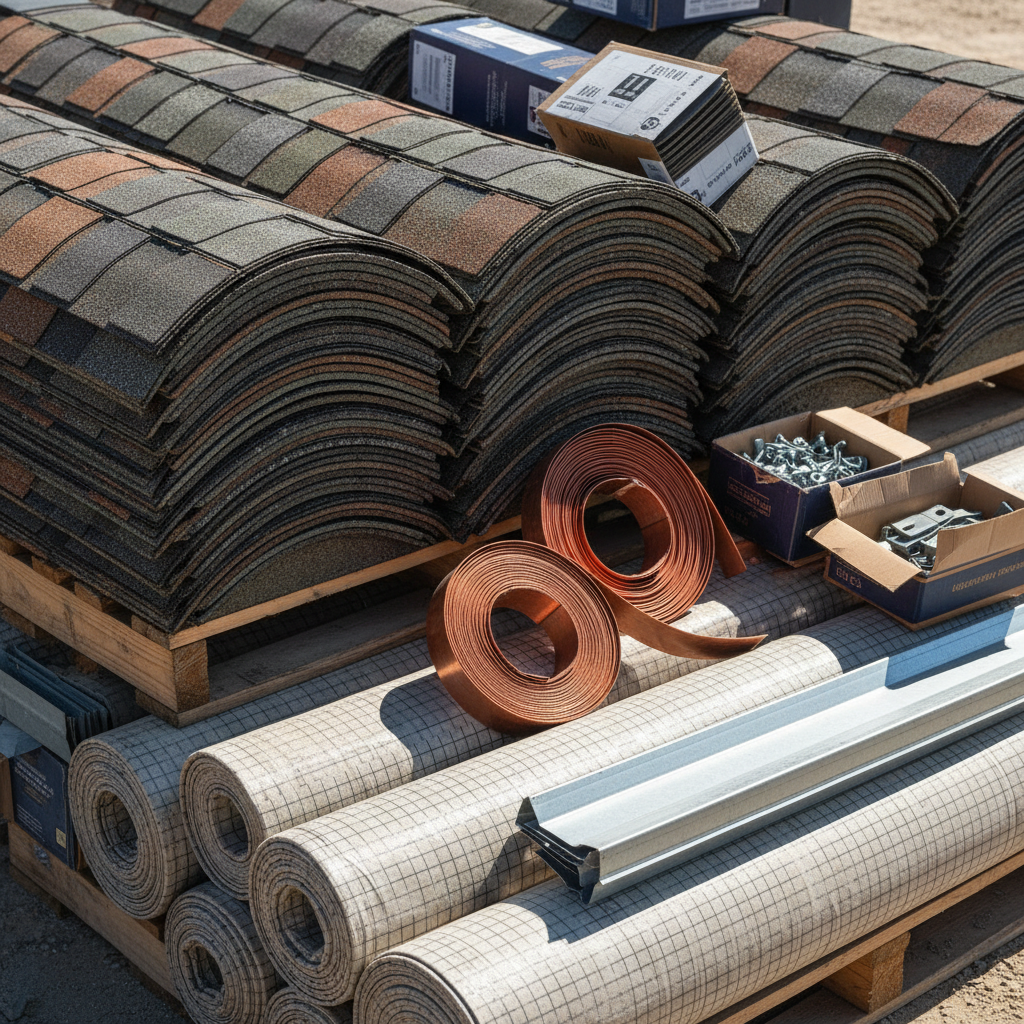
To verify that these rubberized shingles actually perform as advertised, the industry relies on a standardized testing procedure known as the UL 2218 Impact Test. Developed by Underwriters Laboratories, this test simulates the kinetic energy of falling hailstones by dropping steel balls onto the shingle surface. For a shingle to receive a specific rating, the backing and the internal fiberglass matting must remain free of visible cracks, tears, or ruptures after being hit in the same location twice.
When homeowners ask about the difference between class 3 and class 4 impact resistant shingles, the answer lies in the size of the impact they are engineered to survive. The testing parameters are categorized by the diameter of the steel ball used and the height from which it is dropped:
Impact Class | Steel Ball Diameter | Drop Height |
|---|---|---|
Class 1 | 1.25 inches | 12 feet |
Class 2 | 1.50 inches | 15 feet |
Class 3 | 1.75 inches | 17 feet |
Class 4 | 2.00 inches | 20 feet |
While a difference of a quarter inch in diameter may seem minor, a Class 4 rating represents a significant increase in force. A two inch steel ball carries substantially more weight and momentum than the smaller counterparts used in Class 3 testing, making it a much more rigorous benchmark for material durability.
For property owners utilizing residential and commercial roofing services in Carbon County, we almost always recommend Class 4 shingles. Our local storms frequently produce hail that can reach or exceed the size of a golf ball; at these speeds, Class 3 shingles may still suffer the fractures that lead to long term leaks. A Class 4 rating provides the highest tier of resistance available for asphalt products, ensuring that the structural integrity of the roof remains intact during severe mountain weather. If you are unsure which rating is currently installed on your property, you can contact Keith Roofing for a professional assessment of your roof's impact resilience.
Are Impact Resistant Shingles Worth the Investment in Utah?
Deciding to upgrade depends on how you view the lifecycle of your property. Impact resistant roofing shingles generally require an upfront investment that is 25 to 35 percent higher than standard architectural shingles. While this initial cost is a factor for many homeowners, the return on investment comes through long-term performance and risk mitigation rather than immediate savings.
In Carbon County, a single severe hailstorm can effectively end the useful life of a standard roof by causing widespread bruising and granular loss. Upgrading to a Class 4 product often means the difference between needing a full replacement after a storm and simply needing a routine inspection. Over a twenty year period, avoiding even one full replacement makes the initial 30 percent premium a significant financial win. Furthermore, preventing the internal water damage that often follows a hail event saves you from the additional costs of drywall repair, insulation replacement, and mold remediation.
Beyond the direct financial metrics, there is the practical benefit of avoiding emergency repairs. When a major weather event hits the region, local crews providing residential and commercial roofing services often face a massive backlog of work. Homeowners with impact resistant materials are less likely to deal with active leaks or the stress of waiting for a contractor during the busiest months of the year. Additionally, these high performance roofs can enhance the resale value of a home; informed buyers in Utah recognize the protection they offer against local climate risks. To get a specific cost comparison for your property, you can contact Keith Roofing for a detailed estimate based on your roof's square footage and pitch.
Class 4 Shingles and Insurance Discounts in Carbon County
Beyond the structural advantages, choosing Class 4 impact resistant roofing shingles can lead to direct reductions in your annual property expenses. Many insurance providers in Utah recognize the decreased risk associated with these materials and offer premium discounts for homes equipped with UL 2218 Class 4 rated roofs. Because these shingles are significantly less likely to suffer functional damage during a typical mountain storm, insurers view the property as a lower liability. In some cases, these discounts can range from 10 to 20 percent of the annual homeowner insurance premium.
To understand how this applies to your specific policy, you should contact your local insurance agent in Price, Helper, or Wellington to get exact figures. Every carrier has different requirements; some may require a specific proof of installation or a certificate of completion from a contractor providing residential and commercial roofing services. Over a period of five to ten years, the cumulative savings from these lower premiums often offset the initial higher material cost of the upgrade. This creates a scenario where the superior protection essentially pays for itself over time, leaving you with a more durable roof and lower fixed costs. If you need documentation to provide to your agent regarding a recent or upcoming installation, you can contact Keith Roofing for assistance with the necessary material specifications.
Identifying Hail Damage: What Does It Look Like?
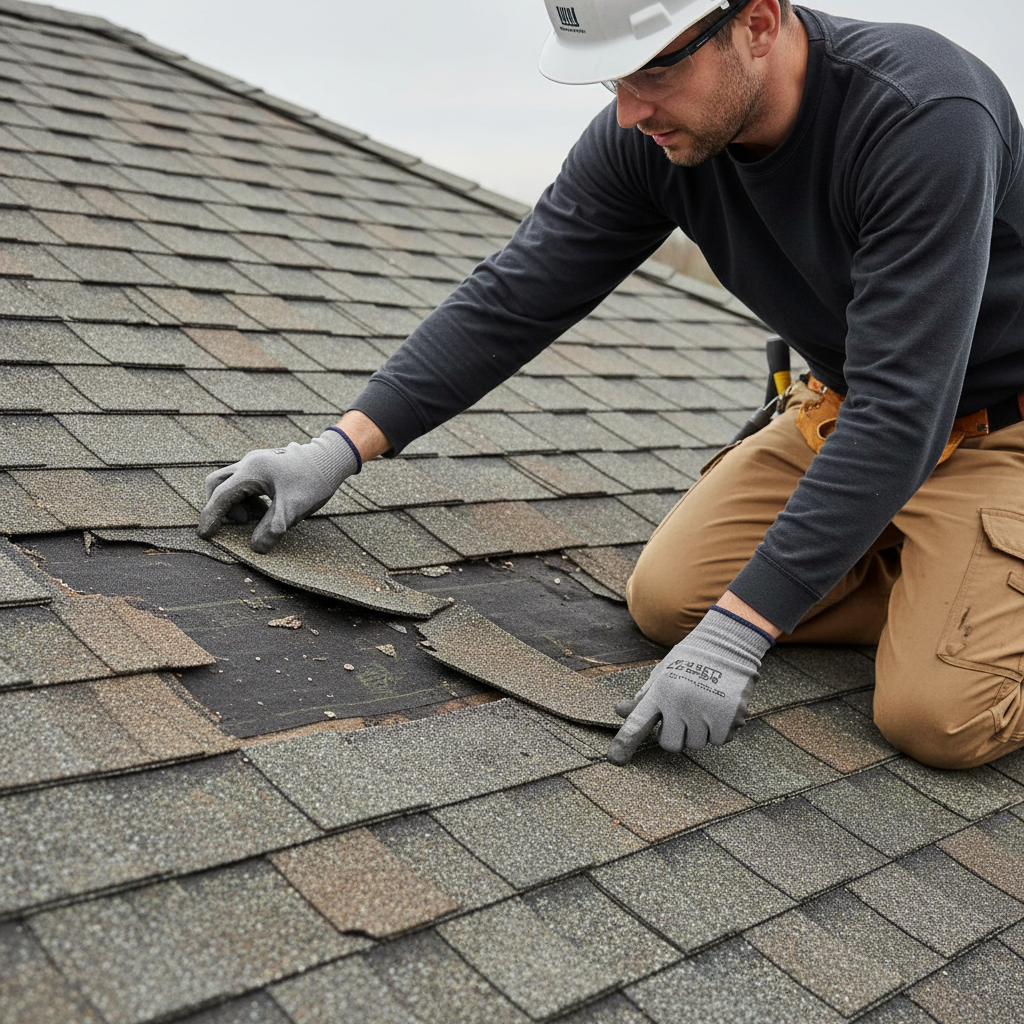
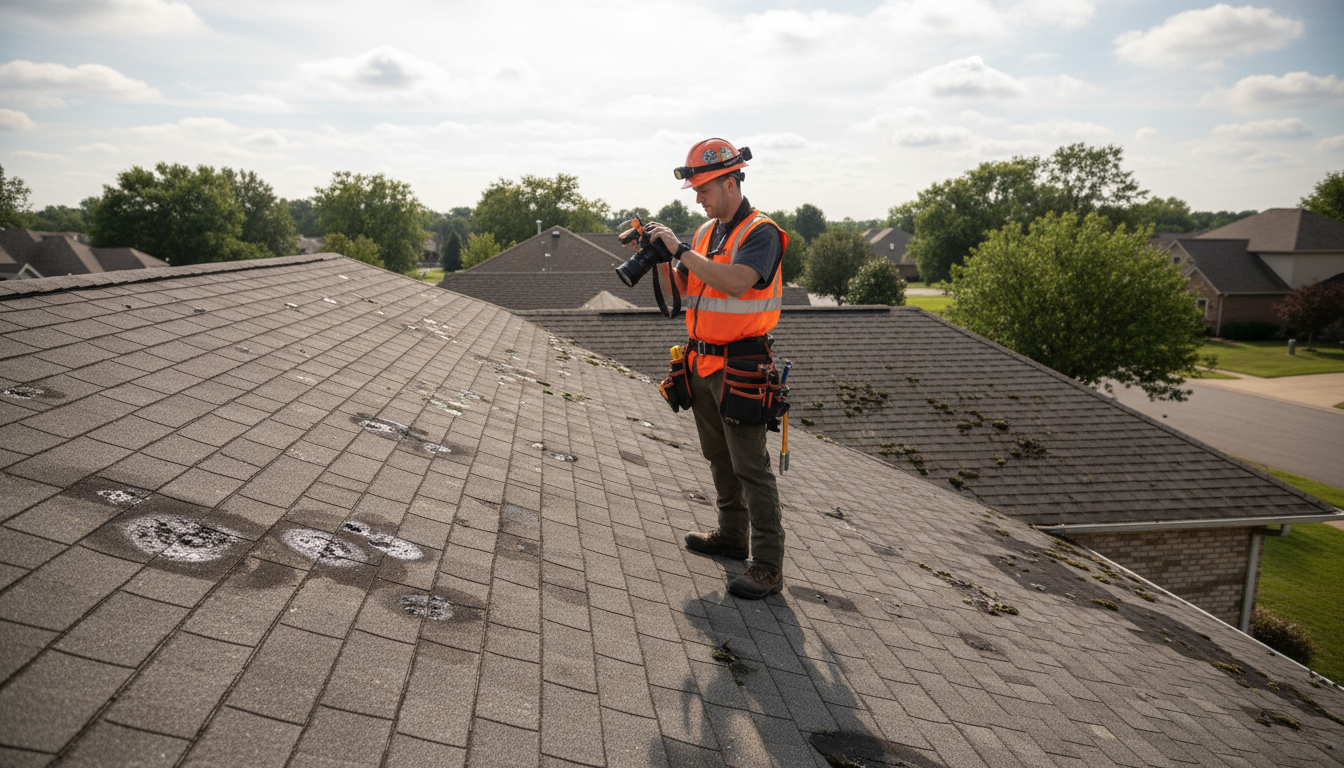
If you are inspecting your property after a storm in Price or Helper, you might wonder what hail damage looks like on a roof. Many homeowners expect to see missing shingles or large holes, but the most dangerous damage is often subtle. A primary indicator is a bruise, which is a soft spot where the internal fiberglass mat has been fractured. By pressing on a dark spot, you may feel a slight indentation or a loss of structural rigidity that indicates the material has lost its integrity.
Granular loss is another key sign of impact. Hailstones knock away the protective mineral surface, leaving the underlying asphalt exposed to the intense high altitude sun of Carbon County. You might notice these granules collecting in your gutters or at the base of your downspouts. Even if the shingle remains in place, these impacts can compromise the waterproof seal by creating microscopic cracks or starring patterns that allow moisture to seep into the roof deck over time.
Impact resistant roofing shingles are specifically engineered to prevent these fractures. Because the SBS modified asphalt is flexible, it absorbs the energy of the ice rather than allowing the mat to snap or the granules to dislodge. For those seeking professional residential and commercial roofing services to evaluate recent storm impact, a technical inspection is the only way to confirm if the underlying structure is sound. If you suspect your roof has been compromised by recent weather, you should contact Keith Roofing for a detailed assessment.
Choosing the Best Impact Resistant Roof Shingles for Your Home
Selecting the right impact resistant roofing shingles involves balancing laboratory ratings with real world environmental factors. While the Class 4 label is the primary benchmark, you should also consider how specific products perform under intense UV radiation. In the high altitude environment of Carbon County, the thin atmosphere provides less protection from the sun, which can accelerate the aging and brittleness of standard materials. Choosing shingles with a high concentration of SBS modified bitumen helps the roof resist the drying and cracking often caused by this increased UV exposure and the frequent thermal cycling seen in Utah.
Some property owners consider metal roofing as a primary alternative due to its inherent toughness. However, for those who prefer the traditional aesthetic of a neighborhood home, Class 4 shingles offer modern durability without changing the building's profile. We help residents evaluate these options by reviewing manufacturer warranties and regional performance history. If you are ready to explore the best material for your specific structure, you can contact Keith Roofing for expert guidance on residential and commercial roofing services tailored to the Utah climate.