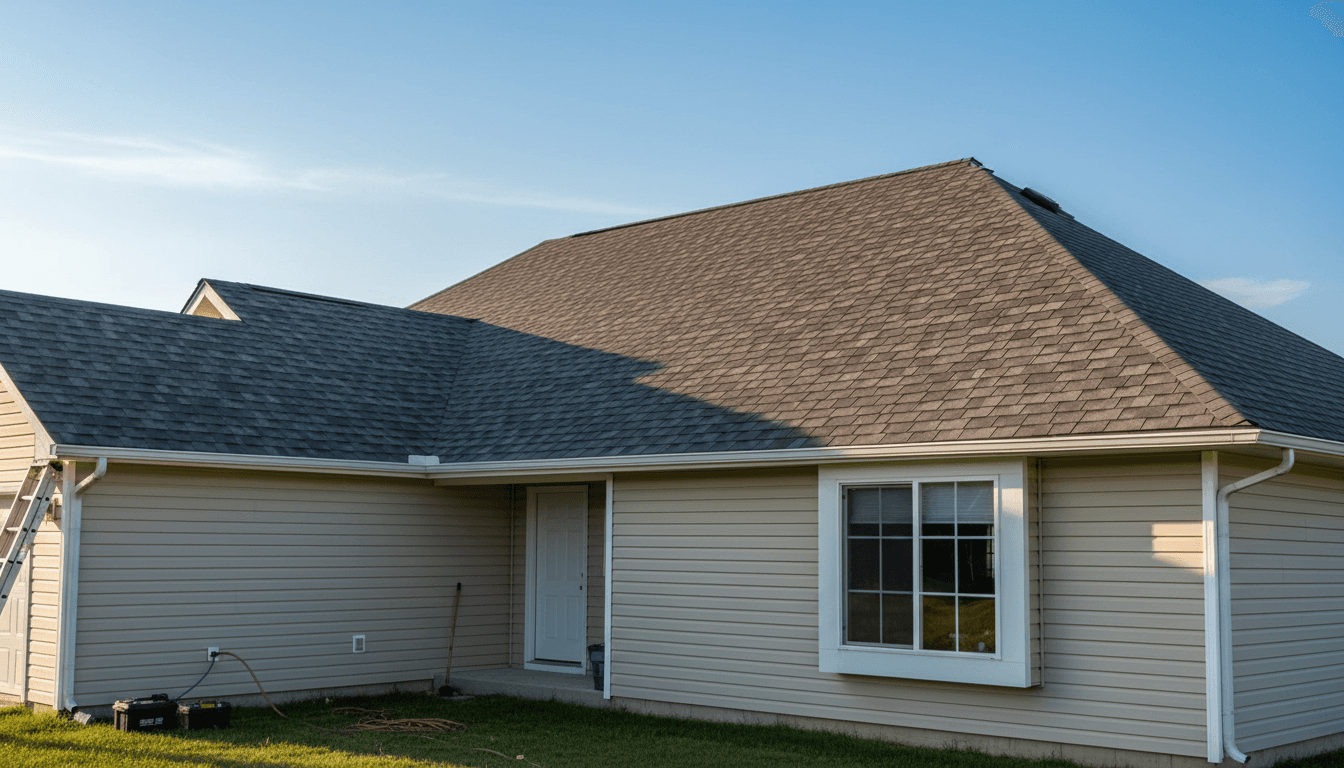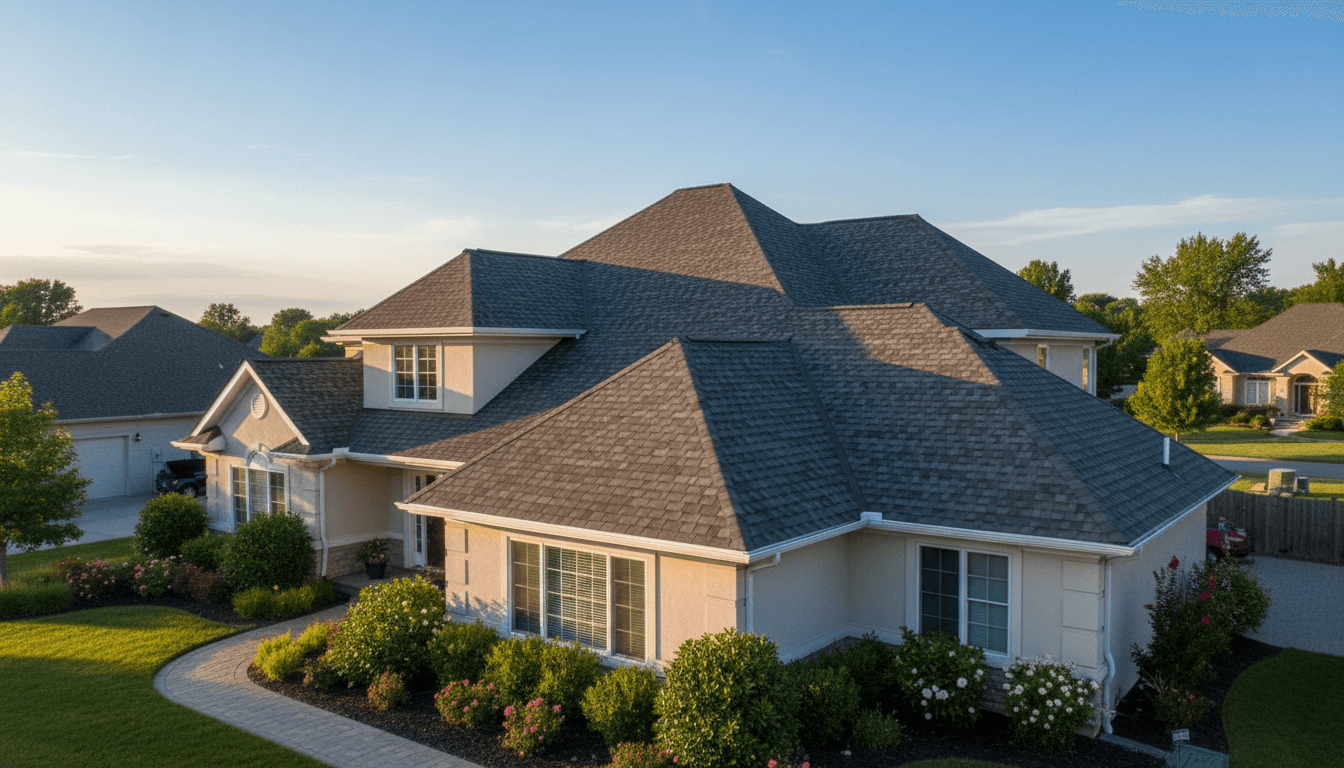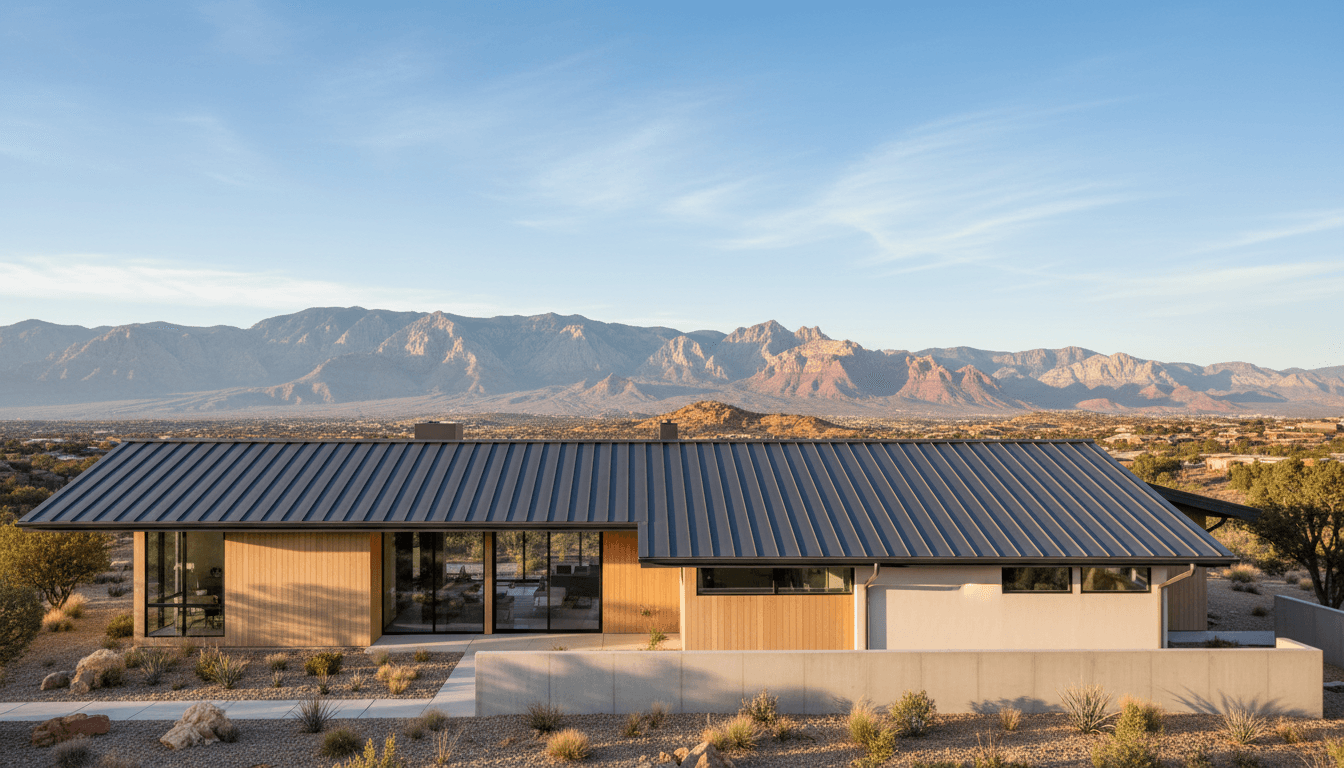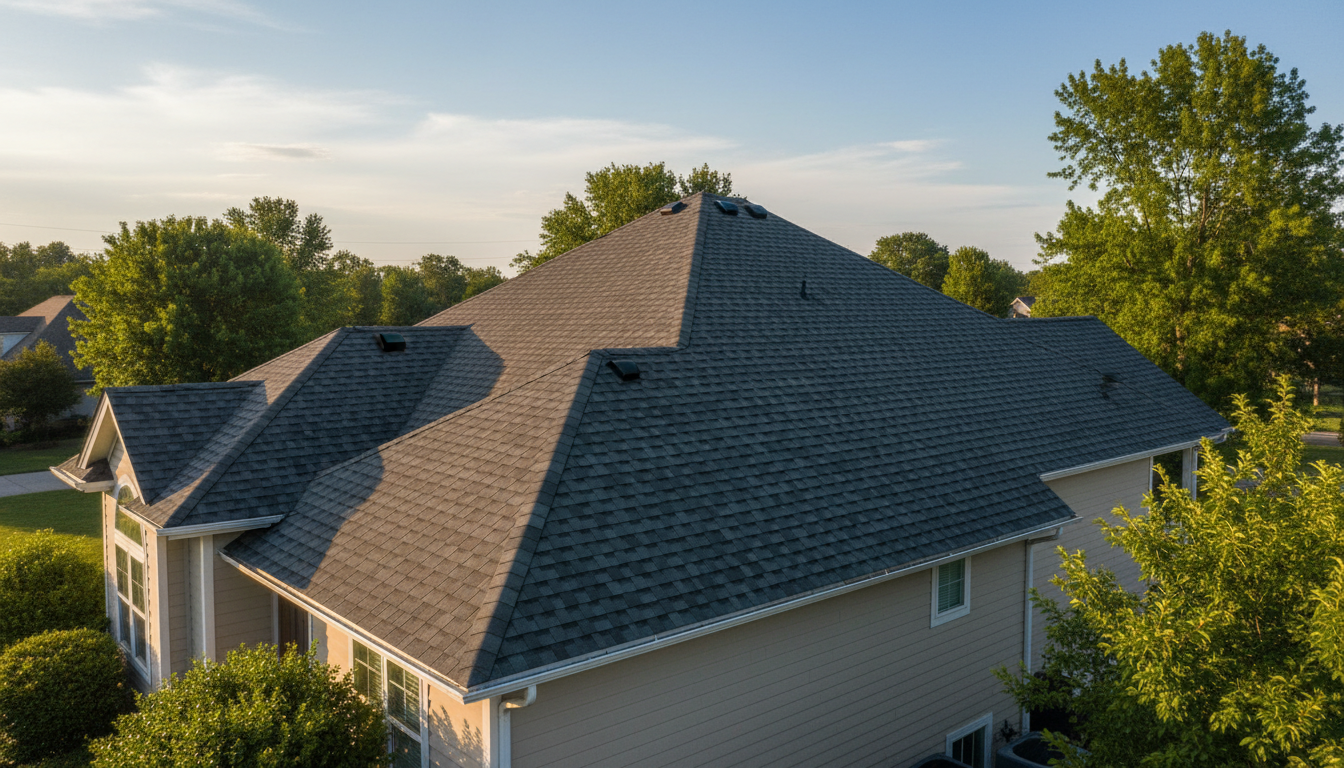
Leading roofing trends 2026 center on performance-driven designs that combine energy efficiency with advanced durability against extreme weather. Homeowners are shifting toward sustainable materials like reflective metal and integrated solar systems to reduce environmental impact and lower cooling costs. These developments prioritize long-term protection and smart technology integration to future-proof residential properties.
In Carbon County, your home faces an unrelenting cycle of high desert sun and heavy winter snow, making a standard asphalt shingle feel increasingly insufficient against rising energy costs. Protecting your investment requires more than just a leak-proof barrier; it demands a proactive approach to efficiency and long-term durability. As we look toward 2026, the industry is shifting toward systems that actively work for you. In this guide, Keith Roofing breaks down the essential trends defining the next era of local home protection. You will learn about the integration of active solar technologies, the surge in high-performance metal systems, and how AI-driven inspections are revolutionizing maintenance. We will also cover the specific aesthetic shifts and budgeting strategies necessary to ensure your roof remains a functional, high-value asset in the Utah climate for decades to come.
The Rise of Active Roofing Systems and Solar Integration
Historically, a roof’s only job was to shed water and resist wind. As we enter the era of roofing trends 2026, that passive definition is being replaced by active systems. Modern roofing now functions as a power plant for the home through Building Integrated Photovoltaics (BIPV), most notably solar shingles.
Unlike traditional solar panels, which are heavy, bulky, and bolted through the finished roof surface, solar shingles are the roof itself. They install directly onto the deck, providing a low profile aesthetic that mimics traditional materials while generating clean electricity. This integration eliminates the structural stress and potential leak points often associated with mounting racks on top of existing shingles.
For homeowners in Carbon County, this technology is particularly effective. Our high elevation provides a thinner atmosphere and more intense solar radiation; when paired with our high number of annual sunny days, this results in exceptional energy yields. Local residents are increasingly turning to these integrated systems to offset rising utility costs and gain energy independence.
While solar shingles require a larger initial investment compared to some of the other best roofing materials for Utah climate, they are quickly becoming the benchmark for new high end builds across Utah. They offer a dual return on investment by protecting the structure from the elements while simultaneously reducing monthly overhead. If you are planning a new build or a total replacement, you can contact Keith Roofing to discuss how these active systems integrate with modern residential roofing services to provide long term financial and structural protection.
Performance First Materials: Metal Roofing and Advanced Shingles
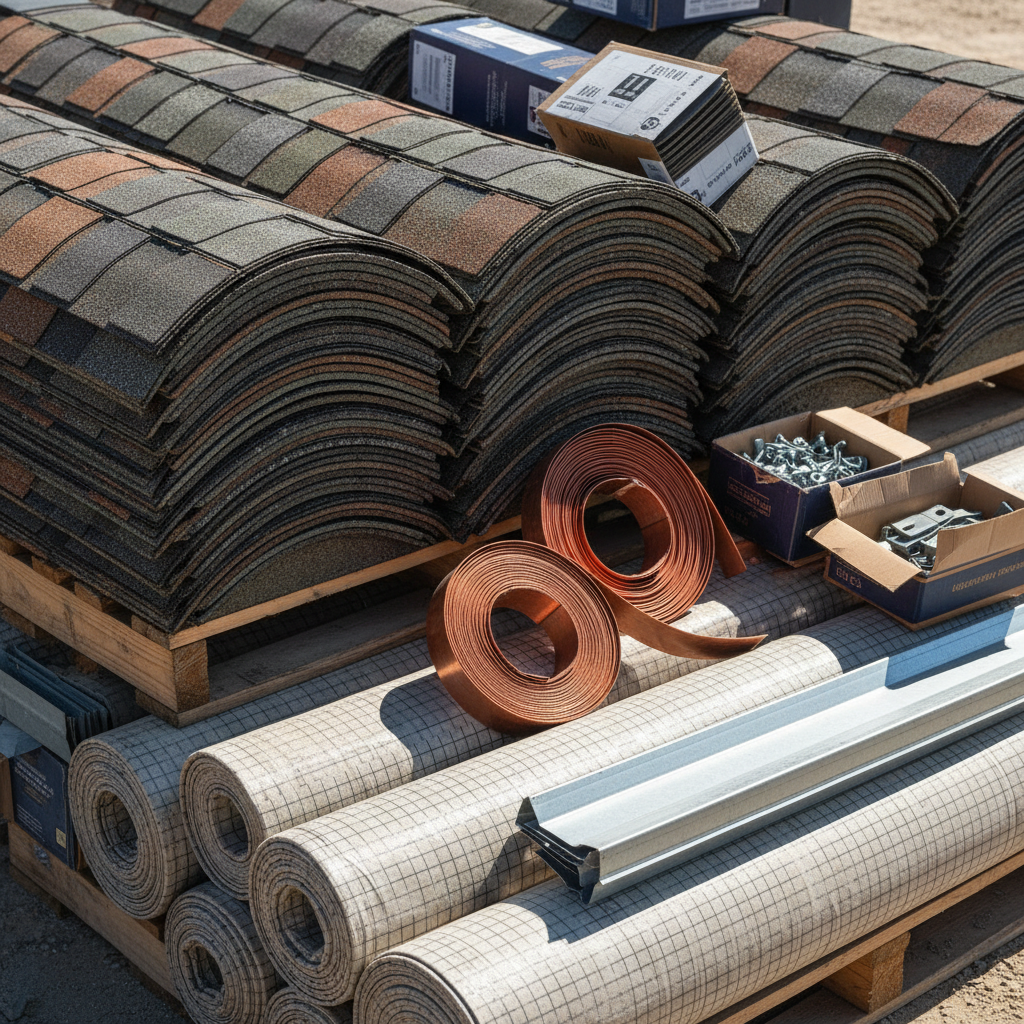
While energy generation represents the high-tech edge of the industry, the foundation of roofing trends 2026 lies in performance-first design. This shift moves away from basic aesthetics toward materials engineered for extreme durability and long-term cost-efficiency. Homeowners are increasingly prioritizing materials that can withstand the specific mechanical stresses of the Intermountain West rather than simply choosing the lowest bid.
Metal roofing is at the forefront of this shift, projected to capture 15 percent of the total residential market by 2026. In Carbon County, the move toward metal is driven by practical necessity. Traditional asphalt shingles can struggle with the cycle of heavy snow loads and high desert winds; they are prone to granule loss from UV exposure and shingle lifting during wind events. Metal, by contrast, is virtually impervious to wind uplift and facilitates natural snow shedding, which prevents the dangerous weight accumulation that can compromise older roof decks.
Feature | Standard Asphalt | Class 4 Shingles | Standing Seam Metal |
|---|---|---|---|
Wind Resistance | Up to 60-110 mph | Up to 110-130 mph | Up to 140+ mph |
Snow Shedding | Poor | Moderate | Excellent |
Lifespan | 15-20 Years | 25-30 Years | 50+ Years |
Impact Rating | Class 1 or 2 | Class 4 (UL 2218) | Class 4 (High) |
For projects where shingles remain the preferred choice, Class 4 impact-resistant shingles are becoming the new baseline for residential roofing services. These are no longer considered a luxury upgrade. In weather-prone regions like Eastern Utah, insurance companies are increasingly mandating Class 4 ratings for new installations or offering significant premium discounts for their use. These advanced shingles utilize polymer-modified asphalt to provide a rubber-like flexibility, allowing them to absorb the energy of hail or wind-blown debris without cracking. When selecting the best roofing materials for Utah climate, choosing a performance-first material ensures the structure remains secure even as local weather patterns become more volatile.
Cool Roof Technology for the Utah High Desert
Modern efficiency in the high desert is increasingly defined by cool roof technology. As we look at the evolution of roofing trends 2026, these systems have moved from niche commercial applications to residential staples. A cool roof is technically defined by two metrics: Solar Reflectance (SR) and Thermal Emittance (TE). SR indicates the percentage of solar energy a roof reflects, while TE measures how efficiently the material radiates any heat it does absorb back into the atmosphere.
For property owners in Carbon County, these metrics translate to tangible savings. By reflecting intense high-altitude sunlight rather than absorbing it, these materials can reduce peak cooling demand by 11 to 27 percent. Beyond energy savings, local residents often ask, "Do cool roofs last longer?" The answer is yes, primarily because they mitigate thermal shock. In Eastern Utah, extreme daily temperature swings cause standard materials to rapidly expand and contract, leading to micro-cracks and structural fatigue. Cool roofs stay significantly closer to the ambient air temperature, reducing this mechanical stress and extending the lifespan of the underlying membrane. Choosing these advanced surfaces is a key component of identifying the best roofing materials for Utah climate. For an evaluation of your current system’s thermal performance, you can contact Keith Roofing to explore updated residential roofing services tailored for our unique high desert climate.
Roof Color Trends 2026: Aesthetics Meets Efficiency
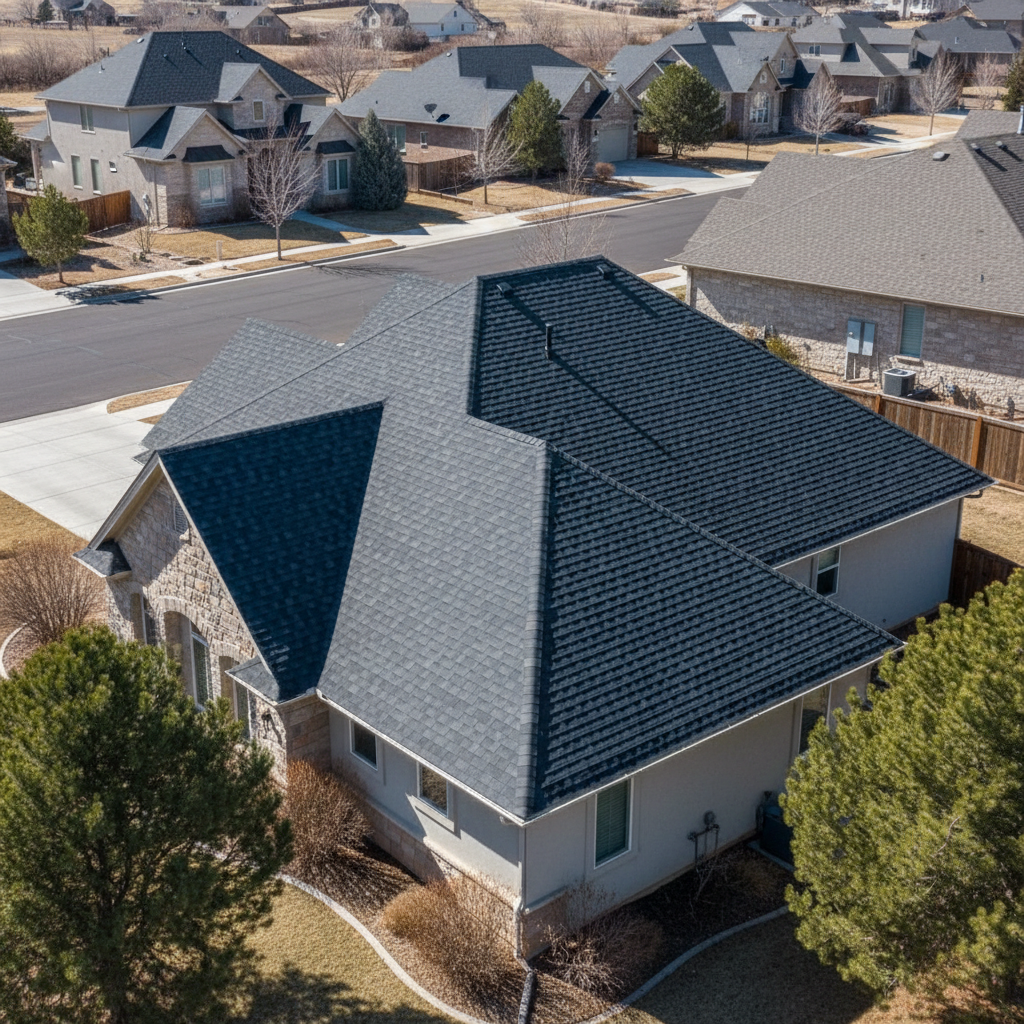
While technical metrics like thermal emittance are essential, most homeowners still prioritize how a project impacts their curb appeal. When clients ask, "What is the most popular roof color for 2026?" the answer reflects a shift toward nature-inspired, earthy tones. We are seeing a significant move away from high-contrast blacks and whites toward colors that mirror the Utah landscape, such as slate grays, sage greens, and muted terracotta. These choices allow the structure to harmonize with the surrounding high desert and mountain vistas of Carbon County.
Historically, selecting a darker roof meant accepting a hotter attic; however, the latest evolution in roofing trends 2026 solves this compromise through advanced granule technology. Manufacturers are now infusing popular darker shingles with specialized reflective granules. These minerals are engineered to reflect infrared light, which is the primary source of solar heat, while maintaining the deep, rich aesthetic homeowners prefer. This allows for a cool roof performance even in a slate or charcoal finish.
By selecting these modern palettes, you can achieve a sophisticated look that qualifies as some of the best roofing materials for Utah climate. This integration of aesthetics and physics ensures that your home stays cool during our intense summer months without looking like a commercial warehouse. If you are interested in seeing how these new color technologies look in person, you can contact Keith Roofing to view samples that complement our local residential roofing services and architectural styles.
Smart Technology and AI Driven Roof Inspections
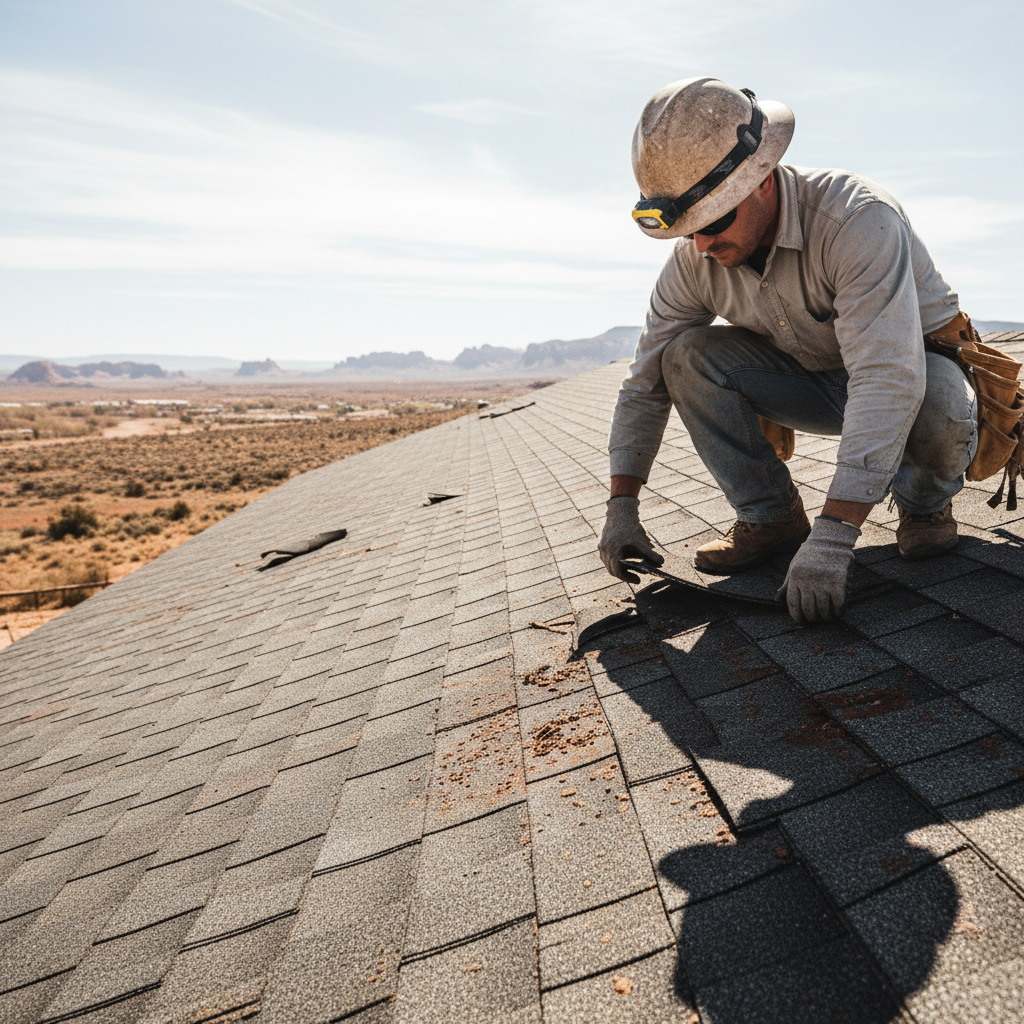
The evolution of roofing trends 2026 extends beyond the shingles themselves to the sophisticated tools used for monitoring and maintenance. We are moving away from the era of manual, visual inspections toward a data-driven model that prioritizes precision. At Keith Roofing, we utilize AI-powered drone inspections to capture high-resolution thermal and visual data that the human eye might overlook. These systems use machine learning algorithms to identify compromised seals or micro-cracks in flashing long before they manifest as visible water damage inside your home.
Another significant innovation is the integration of smart moisture sensors directly into the roof underlayment. These sensors provide real-time alerts if moisture levels exceed a specific threshold, allowing for targeted repairs that prevent the need for a total system overhaul. This proactive approach is particularly valuable in Carbon County, where heavy snow cycles and rapid spring thaws can put immense pressure on traditional residential roofing services.
By utilizing these technologies, we help homeowners identify the best roofing materials for Utah climate and maintain them with surgical accuracy. The real trend is the shift from reactive fixes to predictive maintenance. The goal is to maximize the service life of your investment and avoid premature replacement through early detection. To schedule a high-tech assessment of your property, you can contact Keith Roofing to see how data-driven inspections protect your structure.
Budgeting for 2026: Costs and Investment Value

Integrating these high-precision technologies requires a clear understanding of the financial landscape. As we analyze roofing trends 2026, many Carbon County homeowners ask, "Will roofing prices go down in 2026?" While the volatile price spikes of previous years have stabilized, the market is not seeing a significant decrease in total project costs. Instead, costs are shifting. While raw material supply chains have smoothed out, the move toward high-performance components and skilled labor keeps investments firm.
When considering a project, residents often wonder, "Is $30,000 too much for a roof?" In the context of the best roofing materials for Utah climate, such as standing seam metal or Class 4 impact-resistant systems, this figure represents a long-term asset rather than a simple repair. A standard asphalt roof might cost less initially but require replacement in 15 to 20 years; a $30,000 investment in a high-grade system can last 50 years. This reduces the cost per year of the roof's life significantly.
Roof Type | Initial Investment | Expected Lifespan | Annualized Cost (Estimate) |
|---|---|---|---|
Standard Shingles | Lower | 15-20 Years | Moderate |
Class 4 Shingles | Mid-Range | 25-30 Years | Lower |
Performance Metal | Higher | 50+ Years | Lowest |
A high-performance roof is also a major driver of home resale value in the current Utah market. Buyers in Eastern Utah prioritize structures that are already equipped to handle high winds and heavy snow. Investing in quality residential roofing services today ensures your property remains competitive and protected. For a detailed quote based on current material rates, you can contact Keith Roofing to discuss your specific project needs.
Choosing the Right Trend for the Carbon County Climate
Selecting the right path among roofing trends 2026 requires filtering global innovations through the lens of Carbon County’s geography. While living or green roofs are gaining traction in coastal regions, these vegetated systems are impractical for our arid high desert climate due to extreme water maintenance demands. Instead, prioritize a weather resilient strategy. This means focusing on high wind uplift ratings and integrating robust ice dam prevention features, such as self adhering membranes and enhanced ventilation.
These specific residential roofing services address the heavy snow loads and gusts unique to Eastern Utah. Choosing the best roofing materials for Utah climate means prioritizing mechanical protection over decorative fads. You can contact Keith Roofing to ensure your 2026 project is built for local endurance rather than national aesthetics.