Most residential structures are designed to handle a minimum of 30 pounds per square foot, although specific requirements for roof snow load Utah depend on your local zip code and elevation. To prevent structural damage, homeowners should monitor accumulation; roofs generally reach their limit at 20 inches of packed snow or 40 inches of fresh powder. Factors such as roof pitch and the presence of ice can significantly reduce these weight thresholds, making regular maintenance vital for home safety.
As the winter storms roll through Carbon County, the sight of a thick white blanket on your home might look picturesque, but the weight pressing down on your rafters is a serious concern. Utah homeowners often underestimate the sheer mass of accumulated snow, particularly when light powder transforms into dense, waterlogged ice. For a roofing system to remain sound, it must withstand intense pressure that fluctuates throughout the season. Failure to monitor these loads can result in compromised structural integrity, interior leaks, or costly emergency repairs. In this guide, Keith Roofing breaks down the specific snow load standards for our region. We will explore the critical weight differences between fresh and packed snow, identify the warning signs of a stressed roof, and explain how to manage ice dams safely. You will also learn the essential distinctions between residential and commercial requirements to keep your property protected all winter long.
Understanding Roof Snow Load Standards in Utah
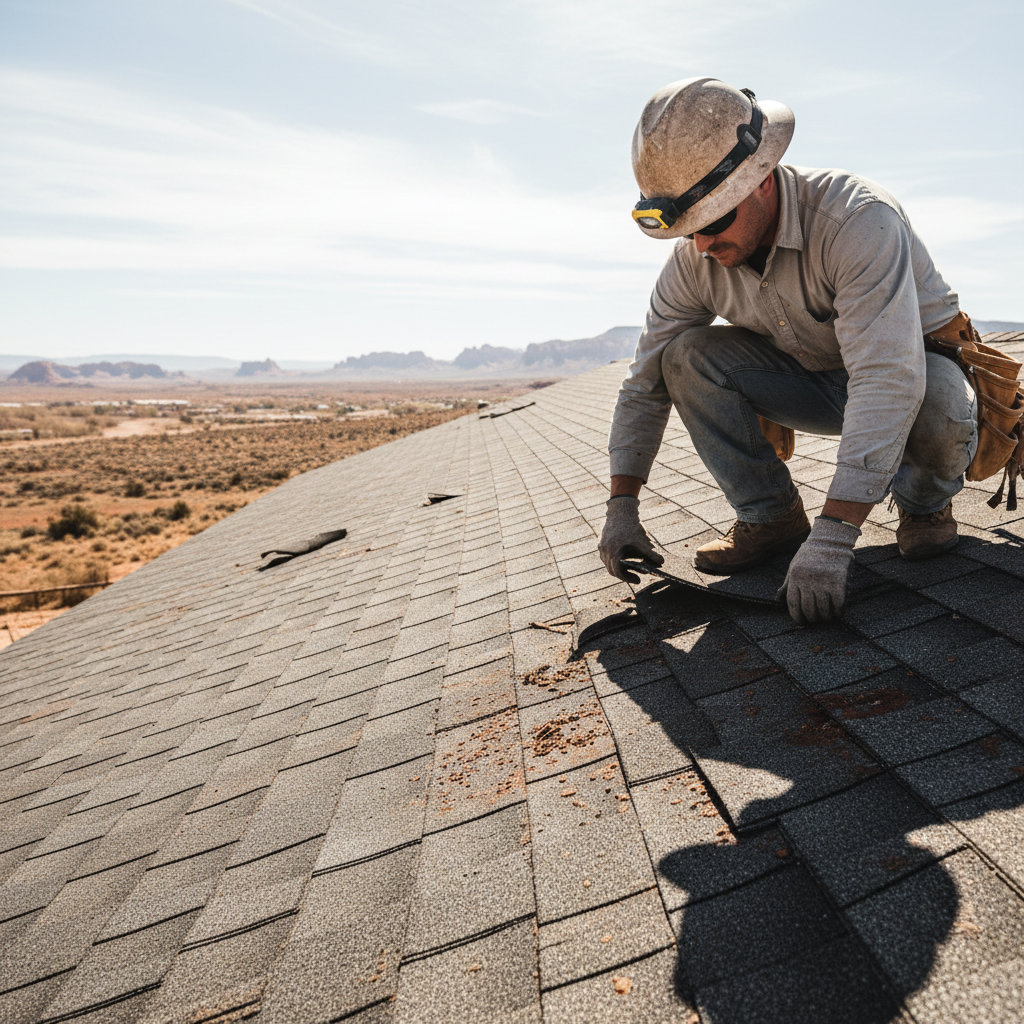
Understanding how much weight your roof can safely carry starts with the term Pounds Per Square Foot (PSF). This is the standard measurement for roof snow load in Utah, and it dictates the structural integrity required to prevent a collapse during a heavy winter. While a national baseline of 20 PSF is common in many parts of the country, Utah homeowners face harsher conditions that require more robust engineering.
Utah Code Section 15A-3-107 acknowledges these local demands by setting much higher standards. Depending on your exact location and elevation in Carbon County, your roof might be required to handle anywhere from 30 to 80 PSF. In some high-elevation mountain zones, those requirements can even exceed 100 PSF. It is vital to understand that snow load refers to weight, not just the physical depth of the snow. A foot of dry, desert powder is significantly lighter than a foot of wet, heavy slush or a layer of ice.
In areas like Price or Helper, newer residential roofing services utilize modern trusses designed to meet these rigorous state codes. However, many older homes throughout Carbon County were built before these specific standards were fully implemented. These older structures may still rely on the 20 PSF baseline, making them more vulnerable during record-breaking winters. If you own an older property, a professional roof inspection can help determine if your structure is up to the task of supporting a heavy Utah winter or if reinforcements are necessary.
How Much Snow Can a Roof Hold: The Fresh vs. Packed Weight Difference
Understanding the required PSF for your area is only half the battle; you must also be able to recognize what those numbers look like on your actual roof. In Carbon County, the weight of a snowpack changes based on its water content. A foot of light, desert powder does not exert the same pressure as a foot of dense, saturated slush. The density of the precipitation determines the load, which is why depth alone is often a misleading metric for safety.
To visualize these limits, consider the weight conversions for different types of winter weather. If a storm brings 12 inches of fresh, dry powder, that layer typically adds only 3 pounds per square foot to your roof. However, if that same foot of snow is wet and heavy, the weight can jump to 21 pounds per square foot. This shift happens quickly during spring storms or when temperatures hover near freezing, pushing many older structures to the edge of their 20 to 30 PSF safety limits.
Precipitation Type | Depth | Approx. Weight (PSF) |
|---|---|---|
Fresh, Dry Powder | 12 Inches | 3 lbs |
Packed or Wet Snow | 12 Inches | 21 lbs |
Solid Ice | 1 Inch | ~5 lbs |
Ice is particularly deceptive because of its extreme density. A single inch of ice weighs approximately the same as a full foot of fresh snow. Because ice does not shed as easily as snow, it creates a stagnant load that can strain the structural integrity of your home. When multiple storms hit back to back without a total melt, the layers compress. A few inches of old, packed snow topped with a new layer of wet slush and a thin coating of ice can easily exceed the load capacity of a standard roof. If you are concerned about the accumulation on your shingles, a professional roof inspection can determine if the current weight is reaching a critical point for your specific truss system.
Warning Signs Your Roof is Under Dangerous Stress
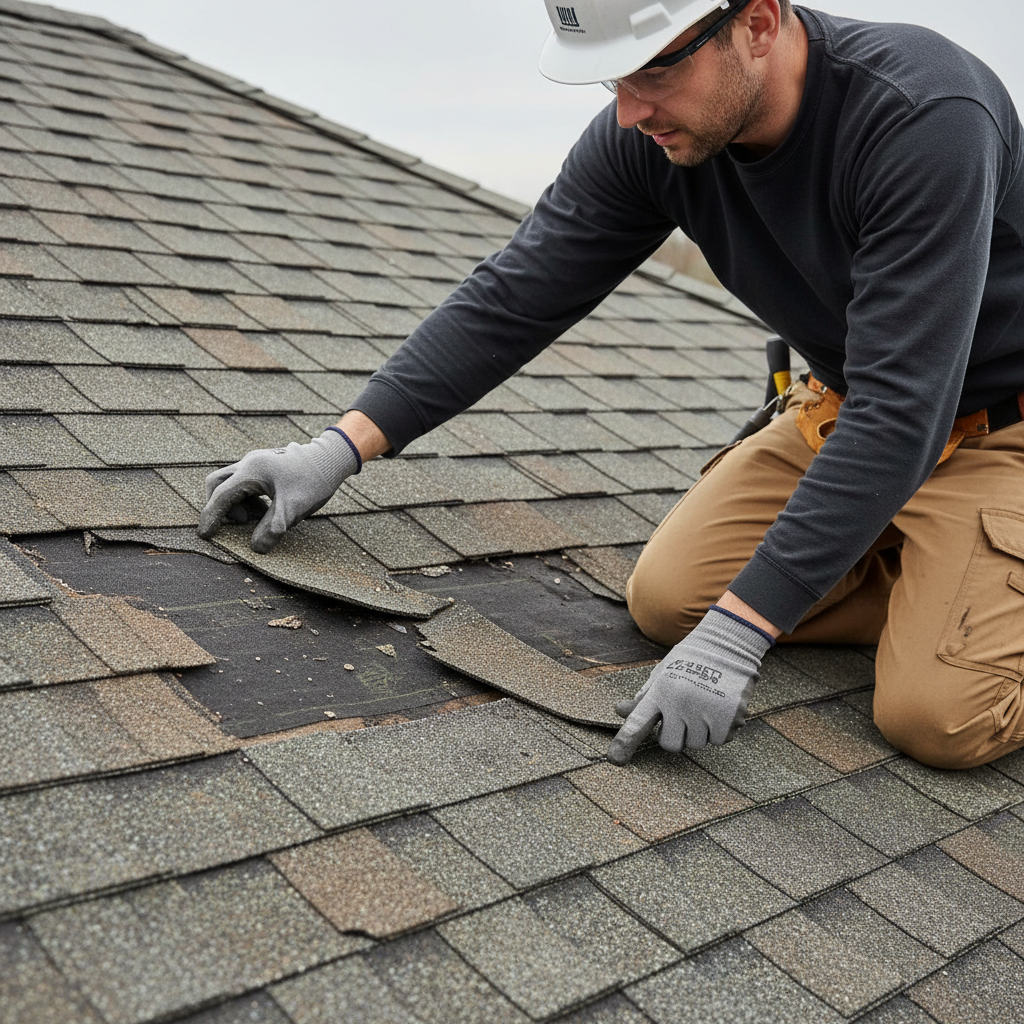
Recognizing when the weight on your roof has crossed the line from a heavy snowfall to a structural emergency is critical for safety. While many homes in Carbon County are built to withstand a significant roof snow load in Utah, the materials have limits. The first signs of trouble often appear inside the home, particularly on the upper floors. If you notice that interior doors or windows are suddenly sticking or becoming difficult to open and close, it indicates that the weight of the snow is compressing the wooden frames.
Other internal red flags include the appearance of new, widening cracks in your drywall or plaster, especially where the walls meet the ceiling. These cracks suggest the rafters or trusses are bowing under the weight and pushing against the wall studs. While small hairline cracks can occur from seasonal temperature changes, large or sudden fractures are a cause for concern. Listen for loud popping, creaking, or groaning sounds coming from the attic. Unlike the quiet settling noises common in older Price homes, these sharp sounds are an immediate signal that wood fibers are under extreme stress.
Externally, look for visible changes in the roof’s silhouette. A sagging ridge line, where the peak of the roof appears to dip in the middle, is a clear indicator of structural fatigue. It is important to differentiate between normal winter settling and genuine distress. Normal settling is gradual; structural distress caused by snow happens rapidly during or immediately following a heavy accumulation. If you see these signs, do not wait for the next storm to act. A professional roof inspection can identify if your roof is simply working hard or if it is on the verge of a failure. Early detection allows for controlled snow removal or structural reinforcement before a minor issue becomes an emergency requiring residential roofing services.
Managing Snow Load and Ice Dams in Carbon County
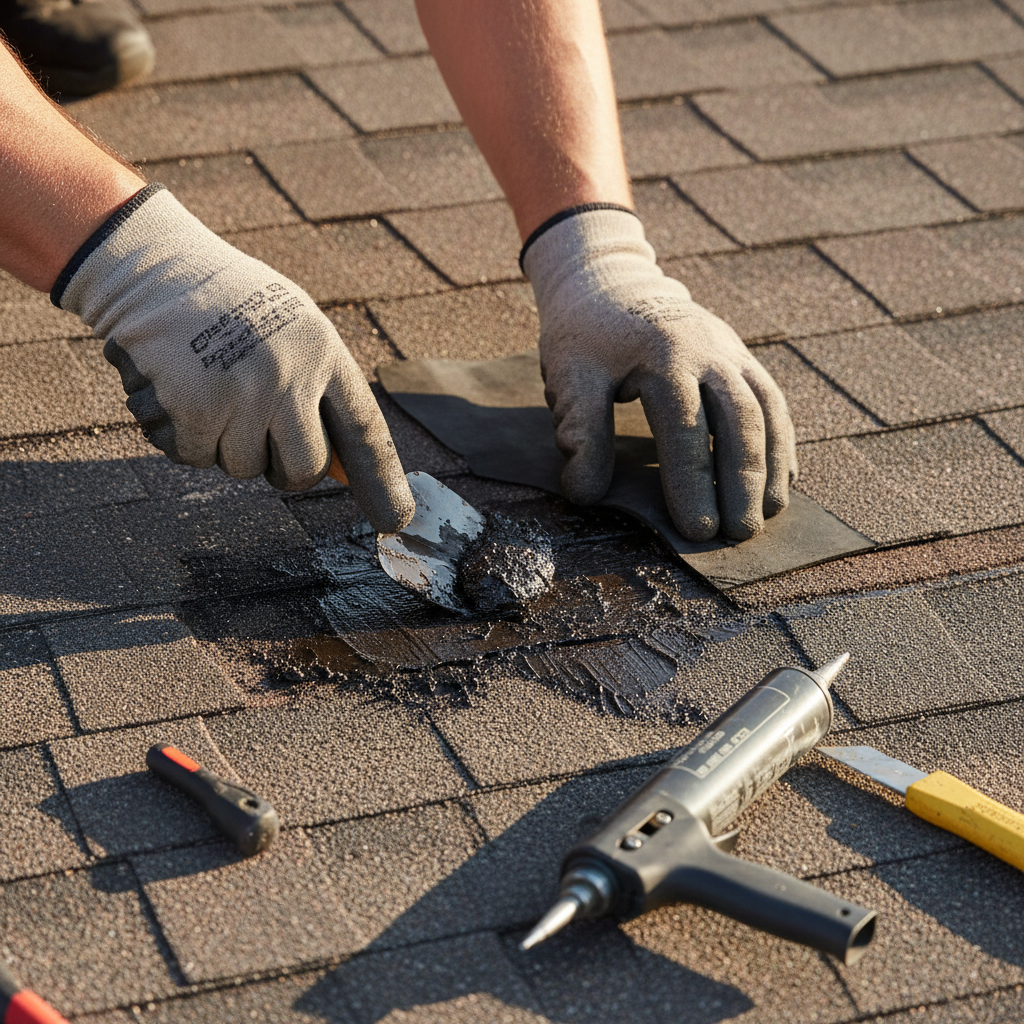
In Carbon County, the relationship between snow load and ice dams is a primary concern during the winter months. When a significant roof snow load in Utah sits on a home with poor attic insulation, heat from the living space escapes into the attic and warms the underside of the roof deck. This causes the bottom layer of snow to melt and run down toward the eaves. Because the eaves extend past the exterior walls and stay much colder, the water refreezes into a thick ridge of ice. This ice dam prevents further runoff from draining, forcing water under the shingles and adding concentrated weight to the most vulnerable part of your roof structure.
Local conditions in Price and Wellington often involve rapid freeze-thaw cycles, which exacerbate this process. These cycles frequently lead to unbalanced snow loads where wind causes snow to drift on one side of a ridge or against a valley. Engineering standards often account for a 25 percent rule for these situations, acknowledging that a roof must be able to handle significantly higher weights on one slope than the other. These concentrated stress points are often where structural failures begin, as the trusses are pushed beyond their balanced design capacity.
To manage these risks, homeowners should focus on roof ventilation and ice dam prevention to keep the roof deck at a consistent temperature. For problematic north facing slopes or areas prone to heavy drifting, installing heat cables can help maintain drainage channels through the ice. Many property owners opting for residential roofing services choose metal roofing for its ability to shed snow quickly. This material allows the load to slide off before it has a chance to form a dangerous dam or exceed the weight capacity of the trusses.
How to Safely Remove Snow from Your Utah Roof
Managing a heavy roof snow load in Utah requires a careful approach to avoid personal injury or structural damage. The safest way for a Carbon County homeowner to clear snow is by staying on the ground. Use a telescoping roof rake to pull snow down from the eaves and valleys. Avoid using a ladder in winter conditions; ice and uneven snow make ladder placement incredibly dangerous.
When raking, your goal is not to clear the roof to the bare shingles. Always leave a thin layer of approximately two to three inches of snow. This buffer prevents the rake from scraping away the protective granules on asphalt shingles, which are vital for UV protection and longevity. Furthermore, never use metal shovels or sharp tools that can puncture the roofing membrane. Chemical salts should also be avoided; they can corrode metal flashing and cause premature deterioration of the materials.
If the snow has turned into a solid block of ice or if the accumulation is beyond the reach of a standard rake, DIY efforts should stop. Attempting to chip away ice dams or climbing onto a steep, slippery pitch puts both the homeowner and the roof at risk. In these cases, contacting Keith Roofing for residential roofing services ensures a safe, controlled removal. Professional crews have the proper safety harnesses and specialized equipment to reduce the load without compromising the structural integrity of your home.
Commercial vs. Residential Snow Load Requirements

Commercial property owners in Price and throughout Carbon County must manage different risks than residential neighbors. While homes usually benefit from a pitch that encourages shedding, commercial buildings often feature flat or low-slope designs. These roofs are particularly susceptible to drifting near parapet walls, which act as windbreaks that trap heavy, concentrated piles of snow. Consequently, roof snow load Utah standards for commercial structures are typically higher, often ranging from 30 to 80 PSF.
Utah Code Section 15A-3-107 specifically governs flat roof snow loads when they exceed 45 PSF. A major risk for these properties is drainage blockage. If scuppers or internal drains freeze, trapped meltwater creates a ponding effect that adds thousands of pounds of unplanned weight. To prevent structural failure, business owners should prioritize a professional roof inspection before and after the winter season. Proactive maintenance through our residential roofing services, tailored for local business needs, ensures that your drainage remains clear and your structure handles the unique pressures of drifting snow.