Effective roof ventilation prevents ice dams by regulating attic temperatures to match the cold air outside, which stops snow on the roof from melting and refreezing at the gutters. By ensuring a steady flow of air, these systems keep the roof surface cool and eliminate the heat buildup that leads to structural damage. Proper installation of intake and exhaust vents creates a balanced environment that protects the home from moisture and ice buildup.
As the snow begins to pile up in Carbon County, many homeowners focus on shoveling their driveways while ignoring the silent threat forming above their heads. Those jagged icicles hanging from your eaves might look picturesque, but they often signal a dangerous imbalance of temperature within your attic. When heat escapes from your living space, it melts snow that quickly refreezes at the cold roof edge, creating destructive ice dams. At Keith Roofing, we know that proper ventilation is the most effective way to prevent this structural cycle. In this guide, we will examine the mechanics of ice dam formation and the specific ventilation requirements for Utah mountain climates. You will learn how to calculate your attic's needs using the 1:300 rule, identify the best systems for high altitude homes, and recognize the warning signs of poor airflow before the next winter storm arrives.
Why Roof Ventilation Matters During Utah Winters
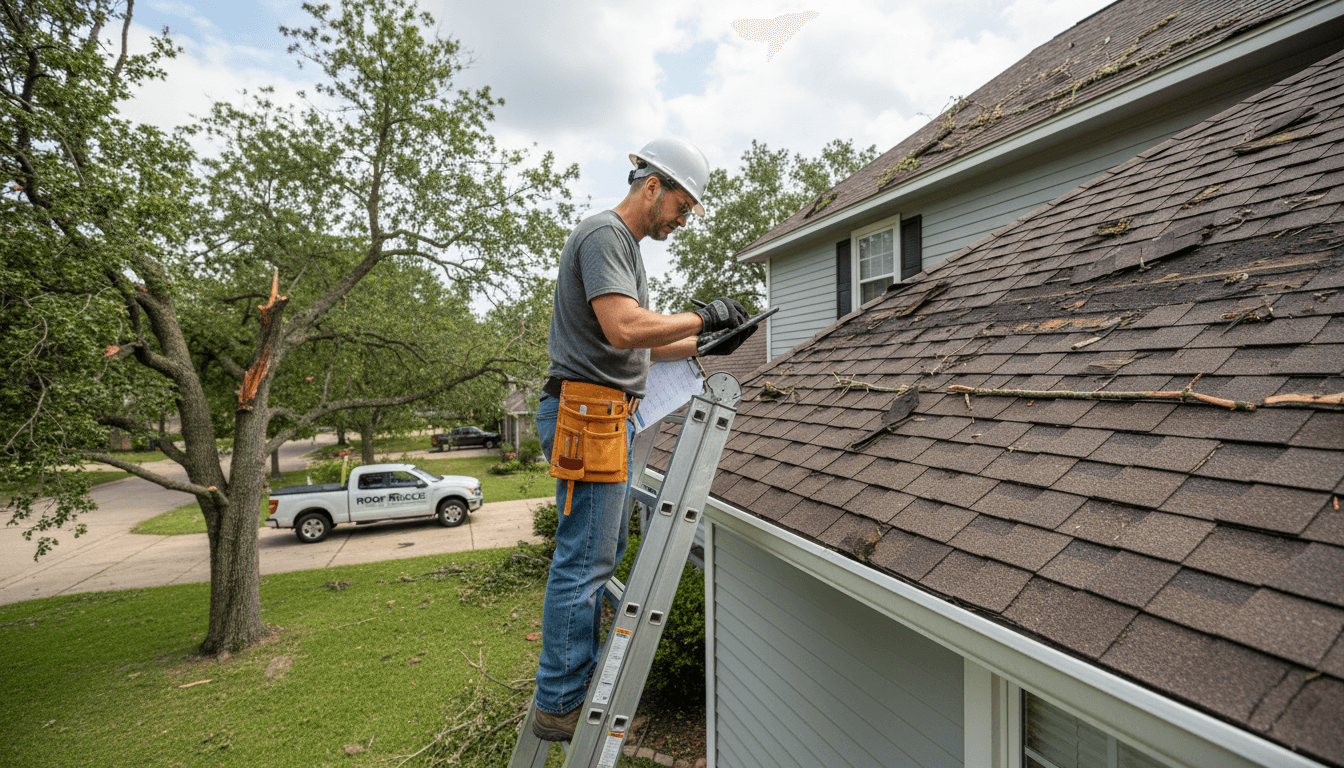
Drive through Price or Helper after a heavy January storm and you will likely see houses decorated with massive, jagged icicles hanging from the gutters. While these frozen formations can look picturesque against the Utah mountain backdrop, they are actually a warning sign that your roof system is struggling. At Keith Roofing, we see these icicles as a visible symptom of a functional failure: inadequate roof ventilation.
The primary goal of a well designed ventilation system during a Carbon County winter is to maintain a roof surface temperature that remains consistent with the outdoor air. When your attic stays cool and dry, it prevents the cycle of uneven snow melt that leads to ice dams. If the upper portions of your roof are too warm, snow melts, flows down to the cold eaves, and refreezes into a thick ridge of ice that can tear gutters away and rot fascia.
Proper airflow is a year round requirement for high quality residential roofing services, as it exhausts moisture and heat in every season. For homeowners in Price, Helper, and Wellington, the role of ventilation in ice dam prevention is the most critical factor for long term performance. Before the heavy snow arrives, you should schedule a roof inspection to ensure your attic is breathing correctly.
The Anatomy of an Ice Dam: How Heat Escape Leads to Water Damage
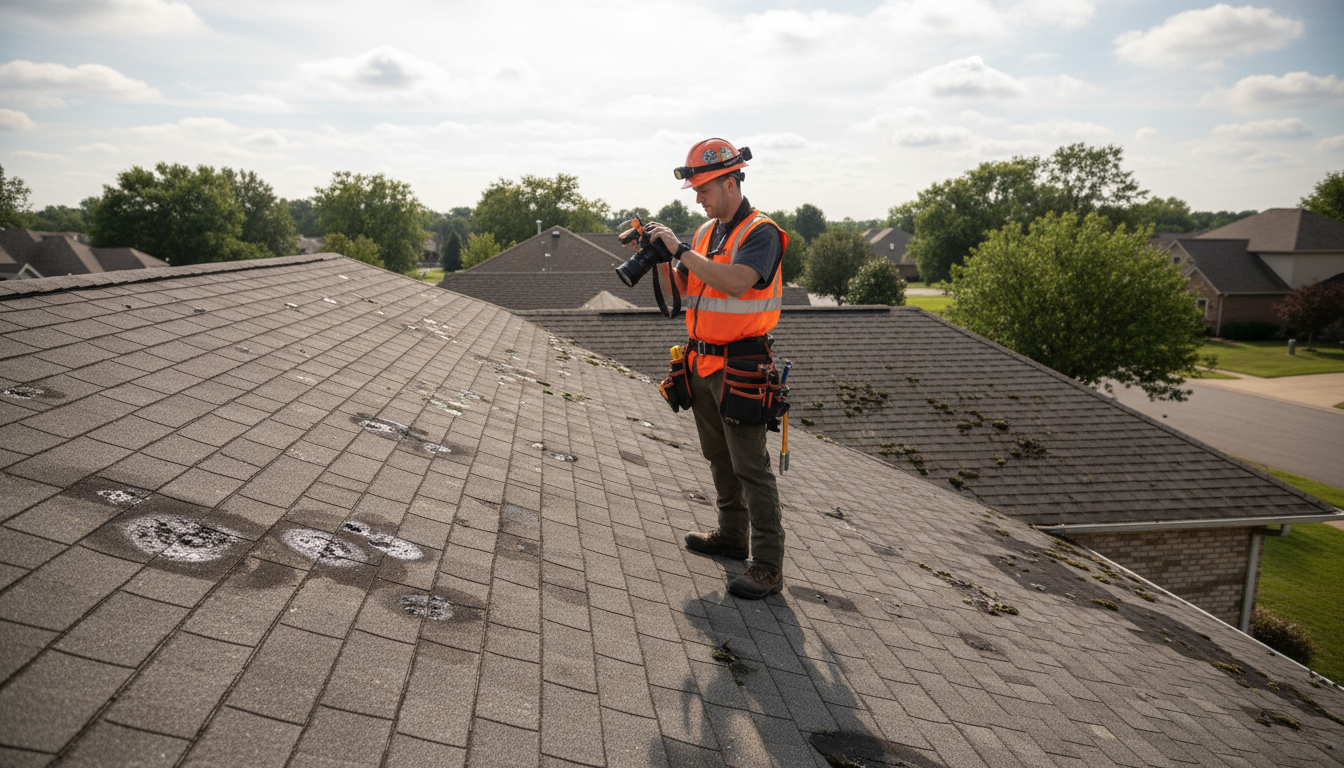
To understand why roof ventilation is non-negotiable, you must understand the physics of an ice dam. The process begins inside your home. Heat naturally rises; if your attic is poorly insulated or lacks proper airflow, that heat accumulates against the underside of the roof deck. This creates a temperature imbalance where the upper portions of your roof are significantly warmer than the exterior air.
When snow accumulates on this warm surface, it begins to melt from the bottom up. This liquid water flows down the slope until it reaches the eaves. Unlike the rest of the roof, the eaves extend beyond the exterior walls of the house and are not exposed to rising indoor heat. They remain at freezing temperatures. As the meltwater hits this cold perimeter, it refreezes, gradually building a thick ridge of ice. This is the dam.
Once the dam is established, additional meltwater has nowhere to go. It pools behind the ice, creating a reservoir on top of your shingles. Most residential roofing materials are designed to shed water moving downward; they are not designed to be submerged. The trapped water eventually backs up under the shingles, where it can seep into the roof sheathing, soak your insulation, and cause interior ceiling damage.
It is important to distinguish this from snow load issues. While a heavy snow load concerns the structural weight capacity of your rafters, ice dams are a thermal problem. Even a light dusting of snow can lead to significant water intrusion if heat escape is not managed through a balanced roof ventilation system. At Keith Roofing, we focus on correcting these thermal gradients to protect your property's structural integrity.
The 1:300 Rule: Calculating Your Attic Ventilation Requirements
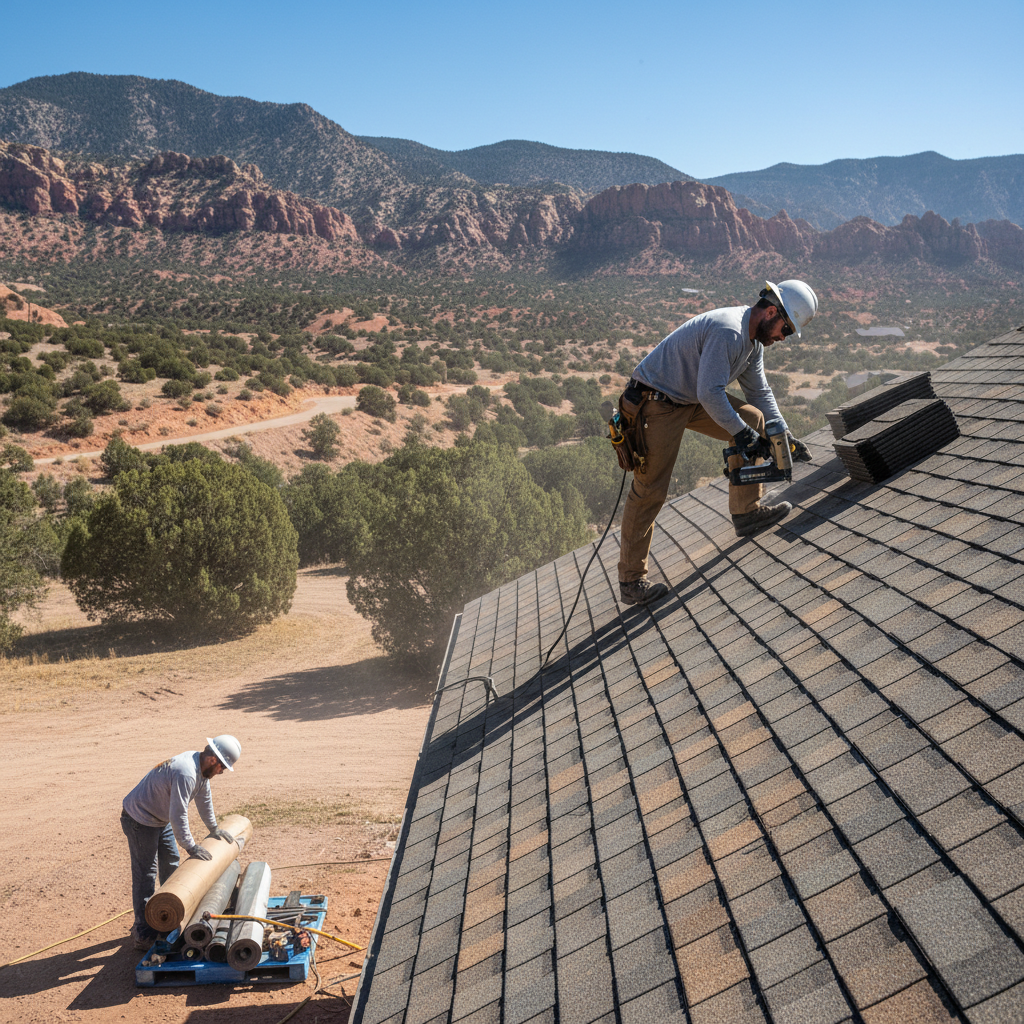
Managing the temperature of your roof deck requires more than just installing a few random vents; it requires a calculated approach. In the roofing industry, we follow the 1:300 rule. This standard dictates that for every 300 square feet of attic floor space, you need at least one square foot of Net Free Area (NFA). NFA refers to the actual open space in a vent that allows air to pass through, excluding the space taken up by grills, screens, or louvers.
To visualize how this applies to a typical home in Price or Wellington, consider a 2,000 square foot attic. First, divide the total attic floor area by 300. This equals 6.67 square feet of total required NFA. Since manufacturers usually list vent capacity in square inches, you multiply that figure by 144, resulting in a requirement of roughly 960 square inches of total ventilation.
Calculation Metric | Formula | Result for 2,000 Sq. Ft. |
|---|---|---|
Total Required NFA | 2,000 / 300 | 6.67 sq. ft. |
Total Square Inches | 6.67 x 144 | 960 sq. in. |
Required Intake (50%) | 960 / 2 | 480 sq. in. |
Required Exhaust (50%) | 960 / 2 | 480 sq. in. |
Size alone is only half the battle. For a ventilation system to function effectively, it must be balanced. Keith Roofing recommends a 50:50 distribution between intake vents, located at the lowest part of the roof like the soffits, and exhaust vents, located at the peak or ridge. This balance creates a natural chimney effect. As cool, dense air enters through the soffits, it pushes the warmer, moisture laden air up and out through the ridge vents.
Without this balance, the system stalls. If you have plenty of ridge vents but blocked or non-existent soffit vents, the exhaust vents may pull air from the living space itself, which increases energy costs and fails to cool the roof deck. When we provide residential roofing services, we meticulously measure these ratios to ensure your home meets these technical standards. If you are unsure if your attic meets these requirements, you should schedule a roof inspection to get an accurate measurement of your current NFA.
Common Types of Roof Ventilation Systems for Mountain Climates

Achieving the 1:300 balance requires selecting hardware suited for the heavy snow and high winds common in Carbon County. The most effective systems start with intake at the eaves. In many older homes across Price and Helper, soffit vents are the missing link. These intake points are often painted over during renovations or accidentally buried under thick layers of blown-in insulation. To correct this, Keith Roofing uses roof ventilation baffles. These plastic or foam channels are installed against the underside of the roof deck to create a clear path for air, preventing insulation from choking off the intake flow at the eaves.
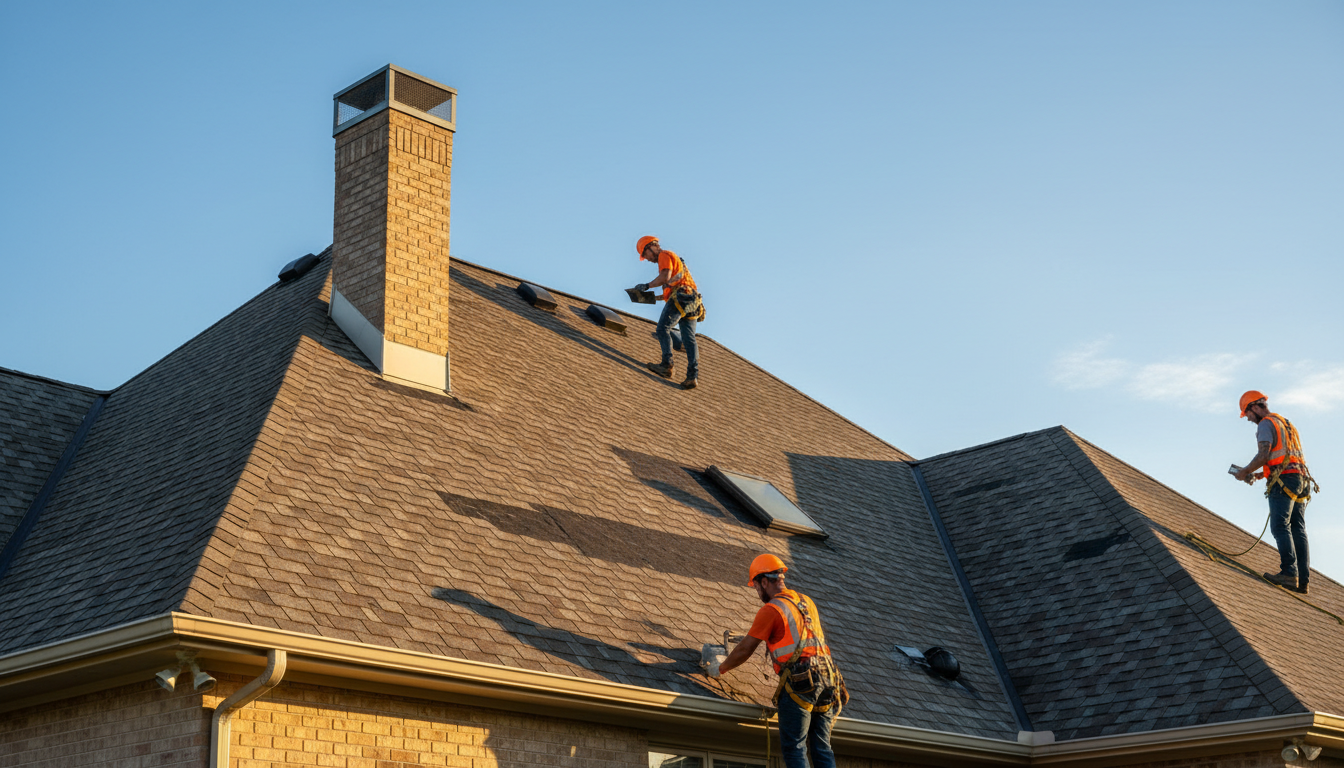
For exhaust, ridge vents are the preferred choice for modern mountain builds. They run along the entire peak of the roof, providing a continuous exit point for rising heat while maintaining a low profile that resists wind damage. If your roof line is complex or lacks a long, continuous ridge, box vents can be used. These stationary louvers are installed in the upper third of the roof to allow heat to escape.
We also frequently discuss roof ventilation turbines and roof ventilation fans with our clients. Turbines, often called whirlybirds, use the natural wind of the Wasatch Plateau to pull air out of the attic. They are highly effective in our windy climate, provided they are high quality models that remain quiet over time. Roof ventilation fans provide a motorized solution to force air out of the attic space. These are useful for large, deep attics where natural convection might be sluggish, but they must be carefully balanced with intake vents to avoid pulling heated air from your living room.
Selecting the right hardware is a technical process that depends on your roof's pitch and local wind patterns. If your home still struggles with ice after a storm, you should schedule a roof inspection to check your intake. Our residential roofing services include evaluating whether your current baffles are functional or if your exhaust vents are sufficient for your attic's square footage.
Debunking the Myth: Should You Cover Roof Vents in Winter?
A common question we hear from homeowners in Price and Helper is whether they should cover their roof vents during the winter to save on heating costs. The short answer is no. This practice is actually dangerous for your home's structural health. While it might seem intuitive to seal up any openings to keep the attic warm, doing so traps moisture laden air inside. In our local climate, this leads to condensation on the underside of your roof deck, which triggers mold growth and rotted rafters.
Closing vents also forces your roof deck to heat up, which is exactly what causes the ice dams discussed earlier. At Keith Roofing, we emphasize that insulation is what keeps your living space warm, not the absence of airflow. Your insulation should be doing the heavy lifting to stop heat transfer; meanwhile, proper roof ventilation works to keep the attic temperature near the outdoor ambient air.
Homeowners often worry about the fierce winds of the Wasatch Plateau blowing snow through the vents. High quality vent caps are specifically engineered to prevent snow infiltration while still allowing air to exhaust. If you notice moisture inside your attic after a storm, it is usually a sign of damaged hardware rather than a reason to block the system. If you are concerned about your current setup, our residential roofing services include a thorough evaluation of your hardware. You should schedule a roof inspection to ensure your vents are winter ready before the next storm hits.
Signs Your Carbon County Home Has Poor Attic Ventilation
Identifying a failing system before an emergency occurs starts with recognizing how your home responds to the Carbon County climate. The combination of intense high altitude UV rays and heavy snow loads creates a double threat for local properties. If your roof ventilation is inadequate, the roof deck suffers from both ends.
Specific red flags include: - Recurring Ice Dams: If massive icicles return every winter, the thermal balance of your roof is failing. - Frost or Condensation: Inspect the underside of your roof sheathing from the attic. Frost or water droplets indicate that warm, humid air is trapped and cooling against the wood. - Rusted Fasteners: Nails that appear rusted or show signs of oxidation are evidence of long term moisture buildup. - Brittle Shingles: Heat trapped in the attic effectively cooks shingles from the bottom up. This makes them brittle and prone to cracking even if the materials are relatively new.
If you notice these signs, our residential roofing services can identify the root cause. Keith Roofing recommends that you schedule a roof inspection to evaluate these symptoms before they lead to structural rot or interior leaks.
Professional Inspection: The Best Defense Against Winter Roof Damage

A professional assessment before the first heavy snowfall is the most effective way to protect your property from costly winter repairs. When Keith Roofing evaluates a home, we look for specific mechanical failures that are common in our local climate. We frequently find soffit vents blocked by decades of paint or shifting insulation, as well as ridge venting that was improperly installed and fails to meet the 1:300 standard.
Relying on heat cables is a common mistake. While these cables can melt channels through existing ice, they are a reactive measure that masks the underlying thermal issue. They do not stop the attic from overheating; they simply manage the runoff after the damage has already started. A balanced roof ventilation system is the only proactive, long term solution to ice damming. By ensuring that your intake and exhaust are perfectly synchronized, we address the root cause of the melt freeze cycle. To ensure your home is prepared for the coming season, you should schedule a roof inspection to evaluate your current residential roofing services needs.
Maintaining proper attic ventilation is the most effective way to prevent ice dams and extend the life of your roof during harsh Carbon County winters. While these maintenance steps can significantly protect your property, assessing specific airflow and insulation requirements can be quite complex. If you want expert help ensuring your ventilation system is fully optimized for the local weather, our team is ready to assist. You can learn more on our About page to see our commitment to quality service and local expertise.