Homeowners can save between 10% and 30% on their summer cooling costs by installing energy efficient roofing Utah. This investment lowers roof surface temperatures by up to 50°F through the use of reflective shingles or metal panels; consequently, these materials reduce energy consumption while extending the lifespan of your HVAC system.
Utah homeowners know the frustration of opening a utility bill after a July heatwave or a January cold snap. Our high desert climate forces your HVAC system to work overtime; this is often because your roof is failing to regulate internal temperatures effectively. At Keith Roofing, we see how outdated materials and inadequate ventilation lead to thousands of dollars in wasted energy over the lifespan of a home. This guide breaks down the financial reality of upgrading to a high performance system. You will learn which materials perform best in our unique mountain environment, why the cool roof myth might be costing you during the winter, and how to leverage federal tax credits to offset your initial investment. Finally, we will help you determine if the long term ROI justifies the cost of a premium installation.
Understanding Energy Efficient Roofing in Utah's High Desert
Living in Carbon County means dealing with high altitude solar exposure that most standard building materials aren't designed to handle indefinitely. At an elevation of over 5,000 feet, the atmosphere is thinner, allowing more intense UV radiation to strike your home or business. While many property owners focus on high efficiency HVAC systems to manage indoor temperatures, the roof acts as the primary barrier against the high desert sun.
Implementing energy efficient roofing Utah systems requires an understanding of two key metrics: solar reflectance and thermal emittance. Solar reflectance measures a material's ability to bounce sunlight away before it turns into heat. Thermal emittance measures how quickly a surface releases the heat it does absorb. Standard dark asphalt shingles often act like a heat sponge, soaking up thermal energy and radiating it directly into the attic space.
In contrast, "cool roofs" utilize quality roofing materials designed to stay significantly cooler under direct sun. By prioritizing these specialized technologies, residential and commercial roofing services in our region can help mitigate the thermal load on a building. This approach prevents the attic from reaching the extreme temperatures that force air conditioners to run constantly during July and August, addressing the heat at the source rather than just managing it once it enters the home.
How Much Does a New Roof Actually Save on Monthly Energy Bills?
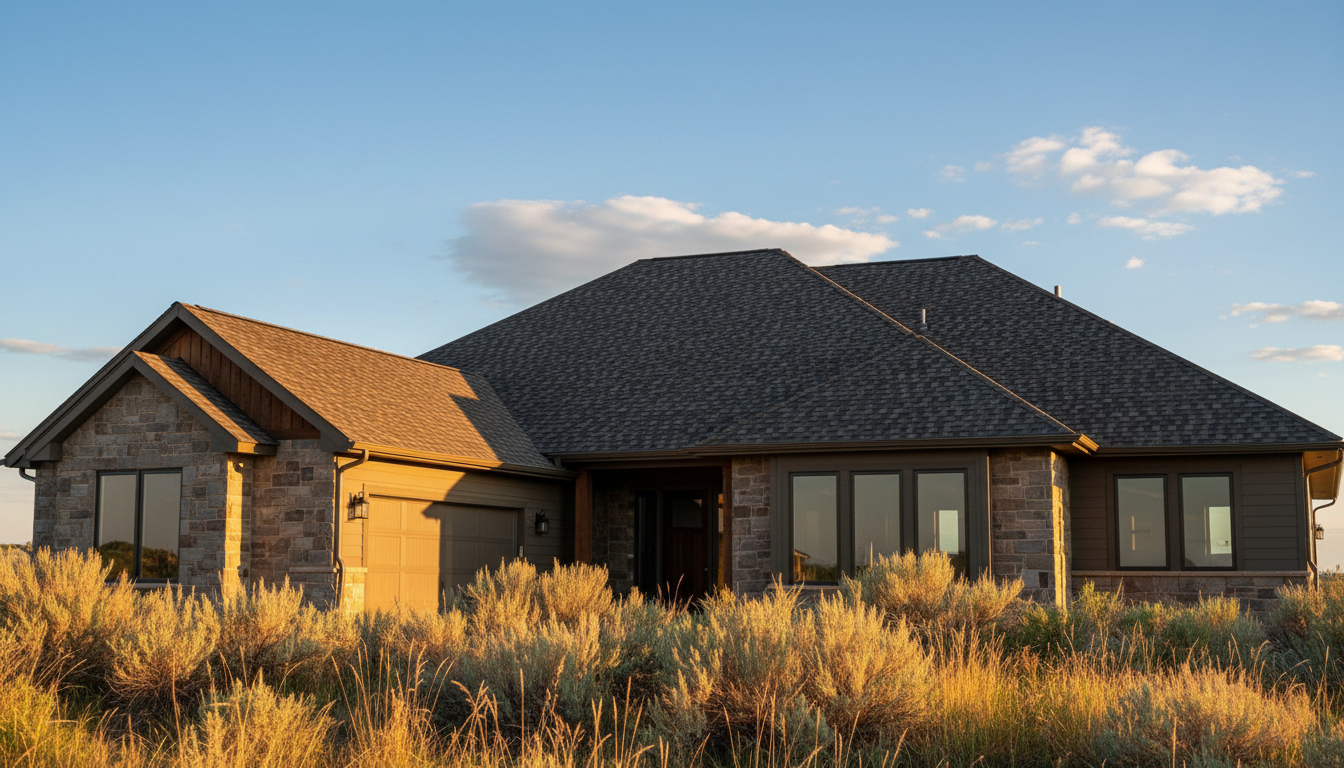
According to the Environmental Protection Agency (EPA) and the Department of Energy, a standard dark roof can reach temperatures of 150 degrees Fahrenheit or more on a clear summer day in Price or Helper. By installing a cool roof system, you can lower that surface temperature by up to 50 degrees. This temperature differential is critical because it directly reduces the amount of heat transferred into your attic and, eventually, your living spaces. When the roof stays cooler, your air conditioner does not have to work nearly as hard to maintain a comfortable indoor environment.
Data specific to the Intermountain West indicates that Utah homeowners typically realize a 7% to 15% reduction in total annual cooling costs by switching to a cool roof system. For a standard 2,000 square foot home in Carbon County, where summer electricity rates can climb during peak usage, these percentages translate into tangible monthly relief.
Potential Monthly Savings (Peak Summer) | 7% Savings | 15% Savings |
|---|---|---|
$150 Cooling Bill | $10.50 | $22.50 |
$200 Cooling Bill | $14.00 | $30.00 |
$250 Cooling Bill | $17.50 | $37.50 |
If your peak summer cooling bill averages $200 per month, a high performance roof could save you up to $30 every month during the hottest part of the year. These savings recur every single year for the 20 to 50 year lifespan of the materials. By choosing quality roofing materials designed for high solar reflectance, you are effectively lowering the operational costs of your property. For those managing residential and commercial roofing services, these lower utility bills represent a significant return on investment that offsets the initial cost of premium materials over time.
Top Energy Efficient Roofing Materials for Utah Homes
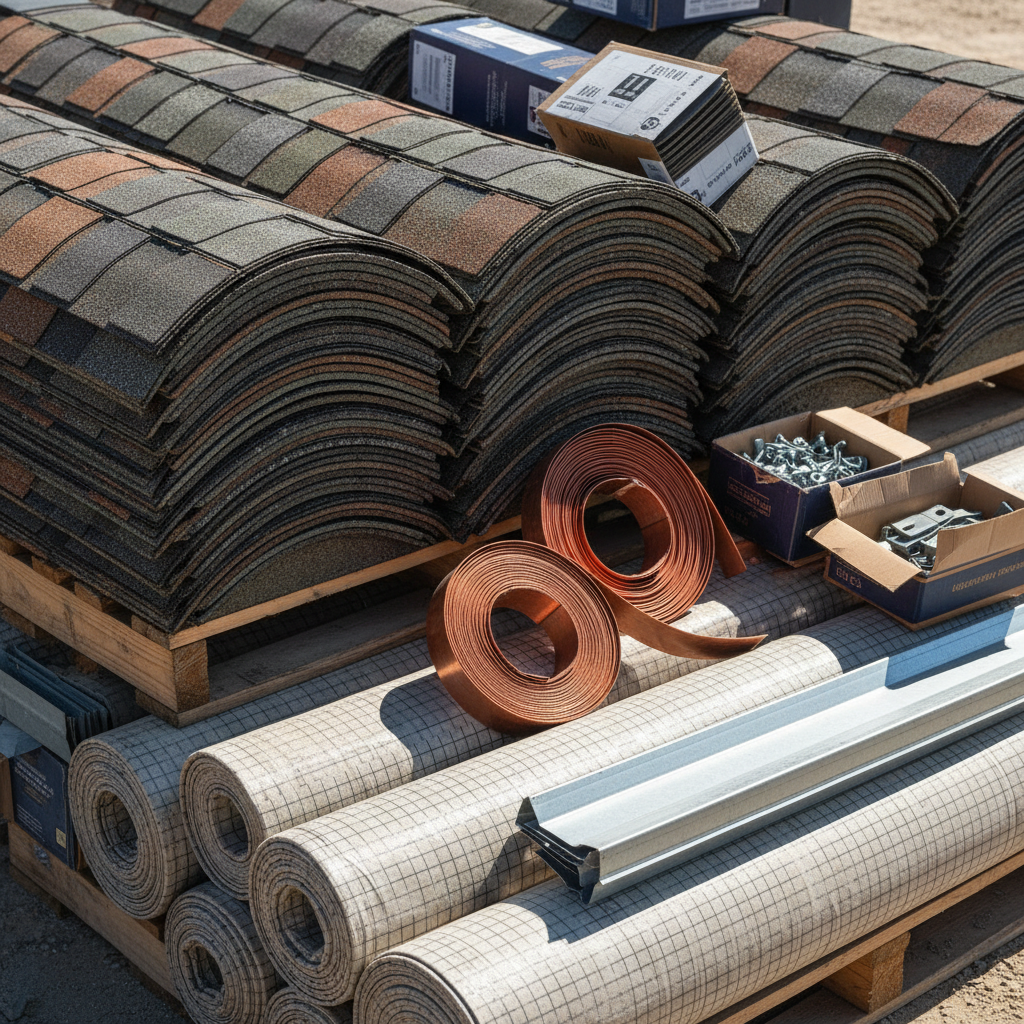
Selecting the right material for energy efficient roofing Utah depends on your property's architectural style and your long-term budget. In Carbon County, the chosen material must provide a high solar reflectance index (SRI) while remaining durable enough to withstand the freeze-thaw cycles common in the high desert. At Keith Roofing, we frequently install three primary categories of quality roofing materials that meet these rigorous standards.
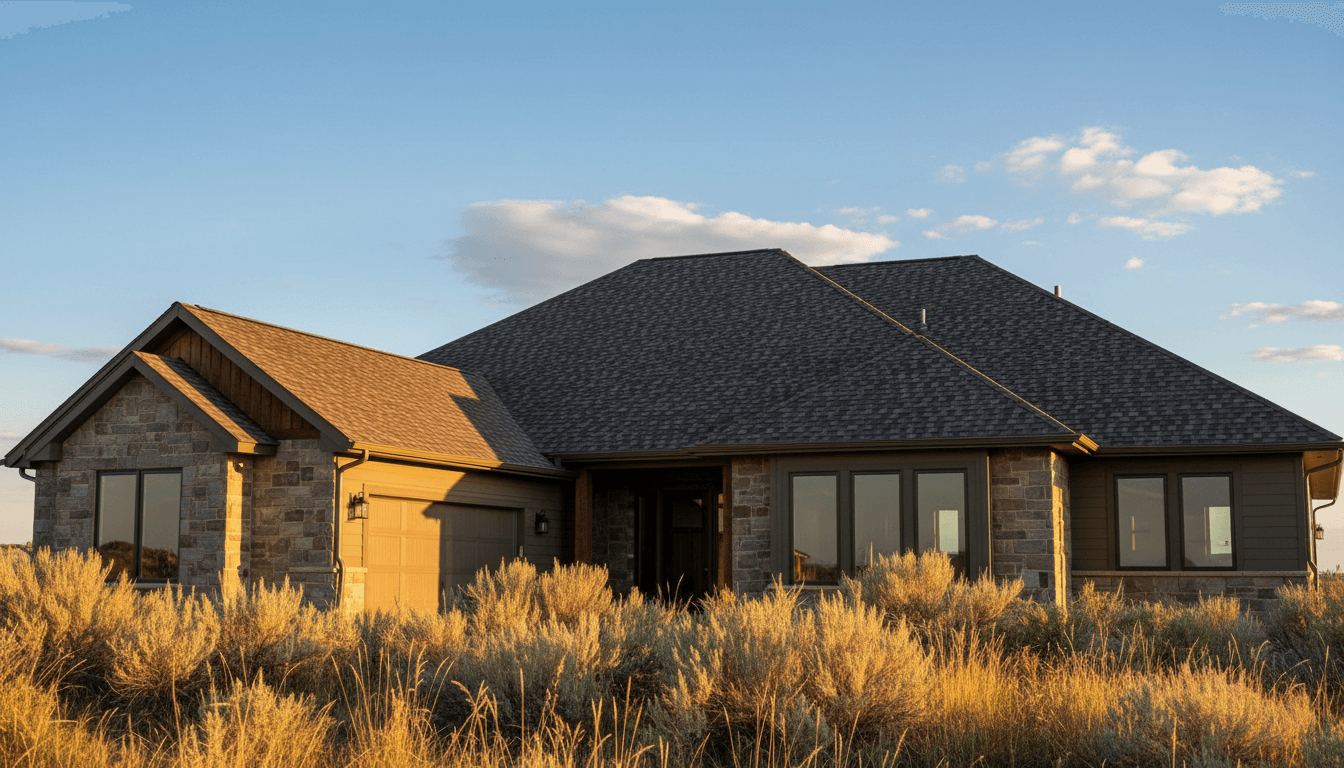
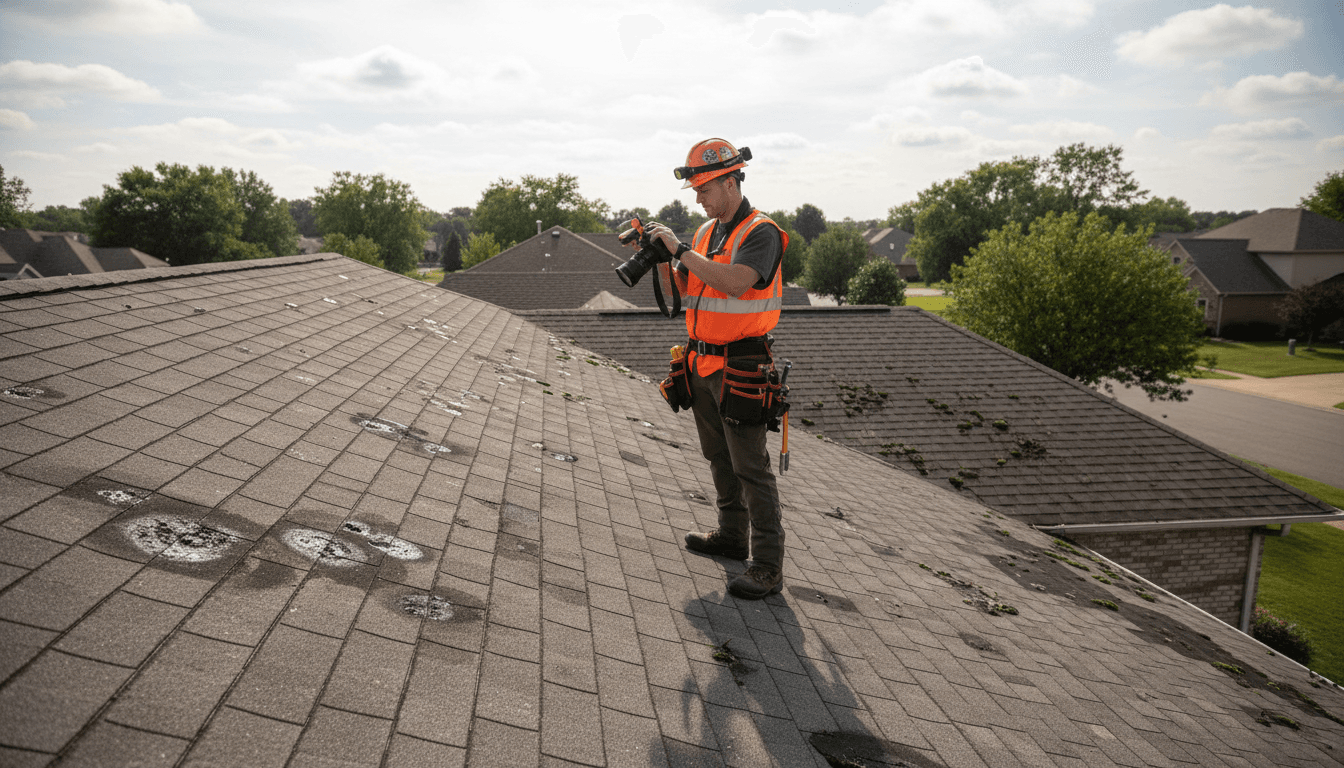
Reflective asphalt shingles are the most common choice for local homeowners who want a traditional look with modern performance. These shingles are engineered with cooling granules that reflect a larger portion of the sun's rays compared to standard asphalt. When selecting these, look for ENERGY STAR rated products. These shingles reduce the temperature of the roof surface significantly, which preserves the shingles from the "baking" effect that leads to premature brittleness and cracking in our intense UV environment.
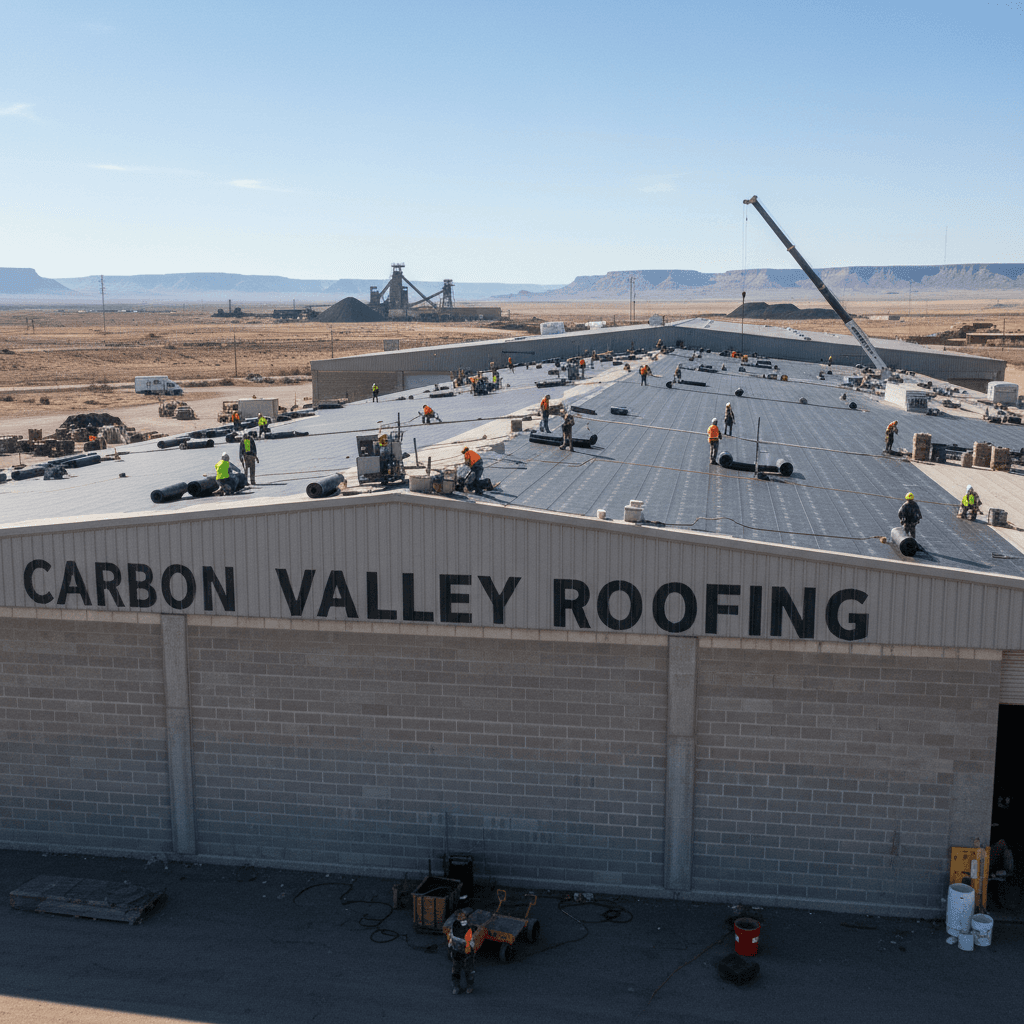
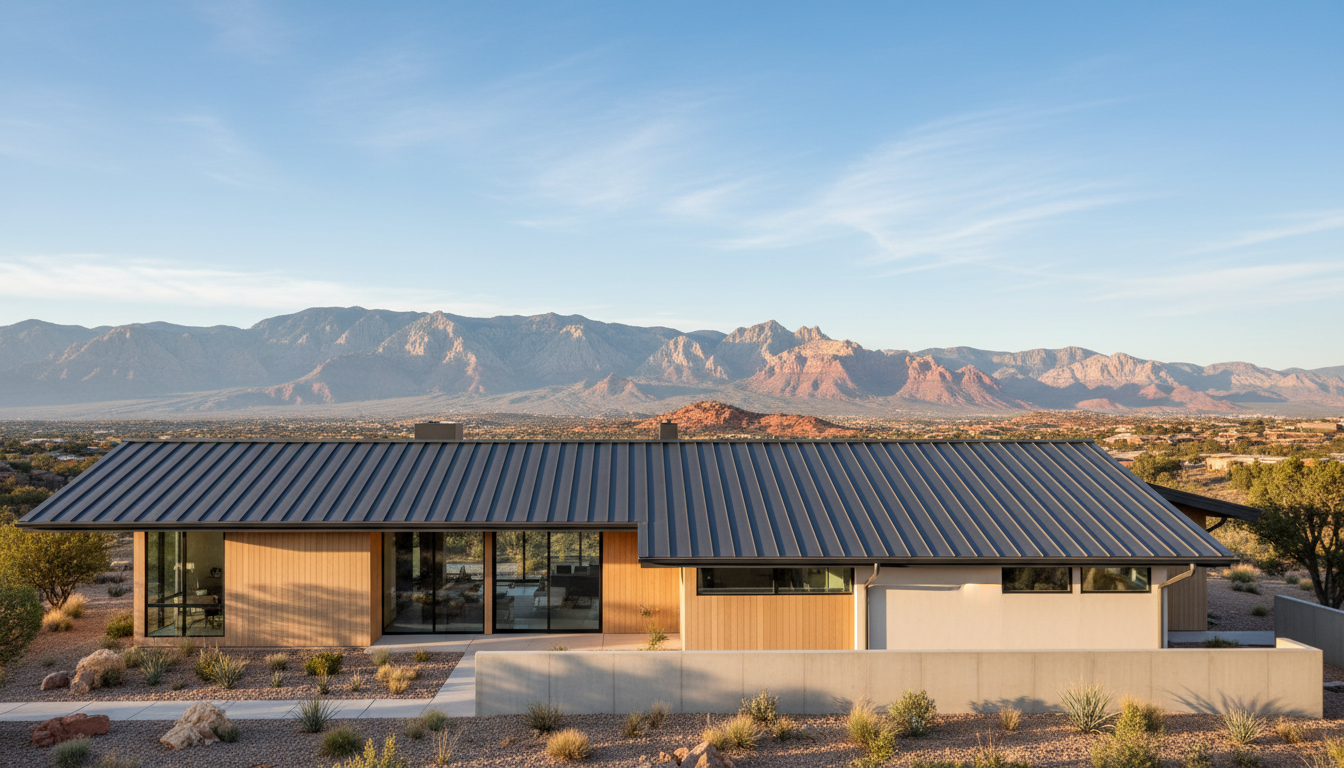
Metal roofing is a premium option that offers exceptional natural reflectivity and longevity. In our region, metal is particularly effective because it handles heavy snow loads with ease. The smooth surface allows snow to slide off rather than accumulating and creating ice dams. Beyond its 40 to 70 year lifespan, metal roofs can be coated with specialized pigments that further increase their thermal performance. For flat or low-slope residential and commercial roofing services, we often utilize TPO (Thermoplastic Polyolefin) or PVC membranes. These white, single-ply systems are designed for maximum albedo, meaning they reflect the vast majority of sunlight away from the building, making them the gold standard for commercial cooling efficiency.
Material Type | Energy Efficiency | Snow Performance | Ideal Application |
|---|---|---|---|
Reflective Asphalt | Moderate to High | Standard | Sloped Residential |
Metal (Standing Seam) | Very High | Superior | High-Altitude Homes |
TPO / PVC Membrane | Excellent | Excellent (Drainage) | Commercial & Flat Roofs |
Each of these materials requires specific installation techniques to ensure they perform as rated. By matching the material to the specific pitch and orientation of your home, we ensure the system provides the highest possible return on your energy investment.
The Cool Roof Performance Myth: What Happens in the Winter?
A frequent question we hear in Carbon County is whether a highly reflective roof will make a home harder to heat during our freezing winters. This concern, often called the heating penalty, suggests that by reflecting sunlight away, you lose out on beneficial solar heat. In reality, for Utah property owners, this loss is practically non-existent. During the winter months, the sun sits much lower on the horizon. This angle means solar radiation hits the roof with significantly less intensity than it does during the peak of July, providing very little supplemental warmth regardless of roof color.
Furthermore, in high-altitude regions like Price and Helper, roofs are frequently covered with a layer of snow for weeks at a time. This snow acts as both a physical barrier to sunlight and a natural insulator. If your roof is covered in snow, the solar reflectance of the shingles beneath it becomes irrelevant to your heating bill.
The key to winter performance is not solar absorption through quality roofing materials but rather the efficiency of your attic's insulation and ventilation system. A properly insulated attic prevents heat from escaping your living space, while balanced ventilation prevents moisture buildup and ice dams. When we provide residential and commercial roofing services, we treat the roof as a complete system. The massive energy savings achieved during the scorching summer months far outweigh any negligible difference in winter heat retention.
Tax Credits and Financial Incentives for Utah Homeowners
Homeowners in Price and Carbon County often ask if a new roof is tax-deductible. In most cases, a standard roof replacement is considered a capital improvement rather than a direct deduction. This means you add the cost to your home's basis, which can reduce capital gains tax when you eventually sell the property.
Regarding federal incentives, the landscape has shifted recently. While previous years offered direct tax credits for Energy Star reflective shingles, current federal guidelines under the Energy Efficient Home Improvement Credit primarily focus on attic insulation and air sealing. However, when we perform residential and commercial roofing services, we often address the entire building envelope. Upgrading attic insulation or installing specific radiant barriers during a roof replacement may qualify for these federal credits.
Local utility providers occasionally offer rebates for weatherization projects that improve thermal resistance. While these specific incentives vary by season, the most consistent financial return comes from the annual cooling cost reductions and the boost in resale value. Prospective buyers in the Intermountain West increasingly prioritize properties with documented energy efficient roofing Utah upgrades. We recommend you consult with a tax professional to confirm which current credits apply to your quality roofing materials and installation project.
Calculating the ROI: Is $30,000 Too Much for a New Roof?
When you receive a quote for $25,000 or $30,000, it can feel like a significant hurdle. However, the cost of a roof replacement in Carbon County is determined by specific physical variables: the pitch of the roof, the total square footage, and the choice of quality roofing materials. A steep pitch requires more complex safety equipment and labor, while premium materials naturally carry a higher price point than standard options.
Factor | Standard Roofing | Energy Efficient Roofing Utah |
|---|---|---|
Upfront Cost | Lower | 15% to 30% Higher |
Lifespan | 15-20 Years | 30-50+ Years |
Energy Savings | Minimal | 7-15% Annually |
Repair Frequency | Moderate | Low |
The true return on investment (ROI) comes from the extended service life and reduced maintenance. Standard shingles often become brittle quickly under the intense high-altitude UV exposure found in Price and Helper. By investing in higher-grade residential and commercial roofing services, you avoid the cost of a second replacement in 15 or 20 years. When you factor in annual energy savings and the avoidance of specialized repairs, the break-even point often occurs well before the midpoint of the roof's life. In our local climate, durability is the most effective way to protect your long term budget.
Expert Installation: Why Workmanship Matters for Efficiency
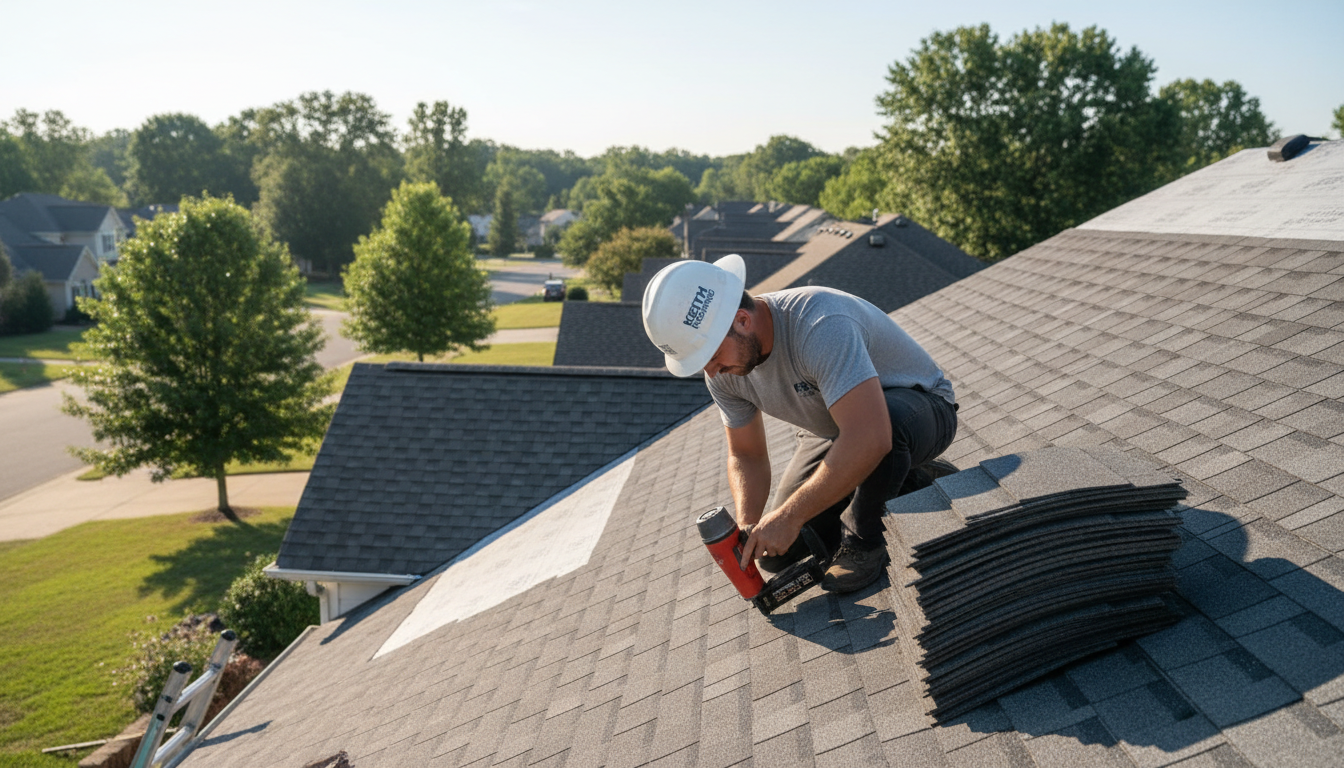
High performance shingles only deliver on their promise if the installation supports the entire building envelope. In the Carbon County heat, a roof that cannot breathe becomes a heat trap. We ensure every project includes a balanced ventilation strategy, pairing intake vents at the eaves with proper exhaust at the ridge. Without this consistent airflow, even the best quality roofing materials will suffer from heat degradation and reduced efficiency.
At Keith Roofing, our residential and commercial roofing services focus on proven methods that treat the deck, underlayment, and shingles as a unified system. By maintaining clear communication throughout the process, we help you understand how these components work together to maximize your energy efficient roofing Utah investment. If you are ready to upgrade your property's protection, you can contact us for an estimate to discuss a tailored solution.
Investing in energy efficient roofing is a smart way to reduce your monthly utility costs while making your Utah home more comfortable. By choosing materials that reflect solar heat, you can save significantly over the long term. If you want expert help choosing the right system for your specific needs, our team is ready to guide you. You can read more About our experience and our dedication to providing high quality solutions for every homeowner. We look forward to helping you maximize your home's efficiency.