A comprehensive Utah roof maintenance guide involves performing seasonal inspections to clear gutters, check flashing, and remove debris before severe weather hits. Homeowners should prioritize post-winter audits to identify snow damage and pre-winter preparations to prevent ice dams and structural issues. Consistent seasonal care protects the home from extreme temperature fluctuations and ensures the roof remains durable throughout the year.
Living in Utah means your roof faces a relentless assault from the elements. Between heavy winter snow loads and the intense UV radiation of our high altitude summers, your home's first line of defense is under constant pressure. Many homeowners only think about their shingles when a leak appears; by then, the structural damage is often already extensive and expensive to remediate. Proactive care is the only way to ensure longevity and maintain property value in our unique mountain climate. In this guide, we outline a seasonal maintenance strategy tailored specifically for Utah properties. You will learn how to audit for post winter damage, protect against sun exposure, and prepare for inevitable ice dams. From DIY checks to professional insights on upcoming industry trends, this roadmap provides the expertise you need to keep your roof secure year round.
Why Utah Homeowners Need a Specific Maintenance Strategy
Carbon County presents a specialized set of challenges for any structure, making a generic approach to care ineffective. From the intense UV radiation that beats down on Price and Helper during the summer months to the heavy snow loads that accumulate in the winter, our local environment demands durability. The high altitude and extremely dry air characteristic of our region accelerate the aging process of asphalt shingles and flashing in ways that more humid, lower-elevation climates do not experience.
Following a localized Utah roof maintenance guide is essential because materials behave differently at 5,000 feet. Without specific attention, the rapid expansion and contraction caused by our temperature swings can compromise seals prematurely. Investing in proactive residential roofing services and consistent seasonal checkups can realistically extend the lifespan of your roofing system to 25 or 30 years. Conversely, neglecting these specific local factors often results in significant structural failure in as little as 12 to 15 years, doubling your long-term housing costs.
Spring: Post Winter Recovery and Damage Audit
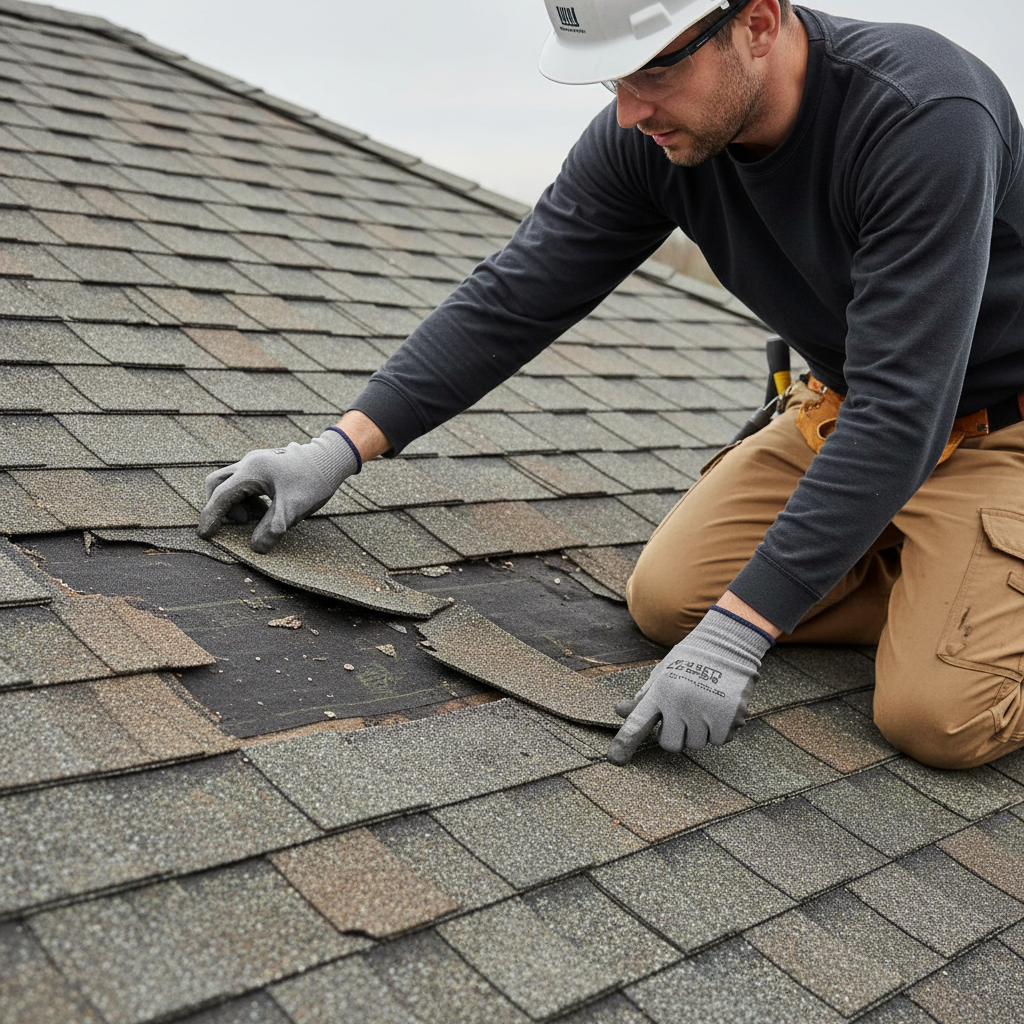
Spring in Carbon County, specifically from March through May, is the critical window for assessing the physical toll that winter takes on your structure. As the snow finally retreats, your first priority should be a thorough audit of the roofing system. Begin at the gutter line. If you notice a significant accumulation of asphalt granules resembling coarse sand, your shingles are likely reaching the end of their functional life. These granules protect the underlying bitumen from UV degradation; losing them leaves the roof vulnerable to the intense sun that follows in the coming months.
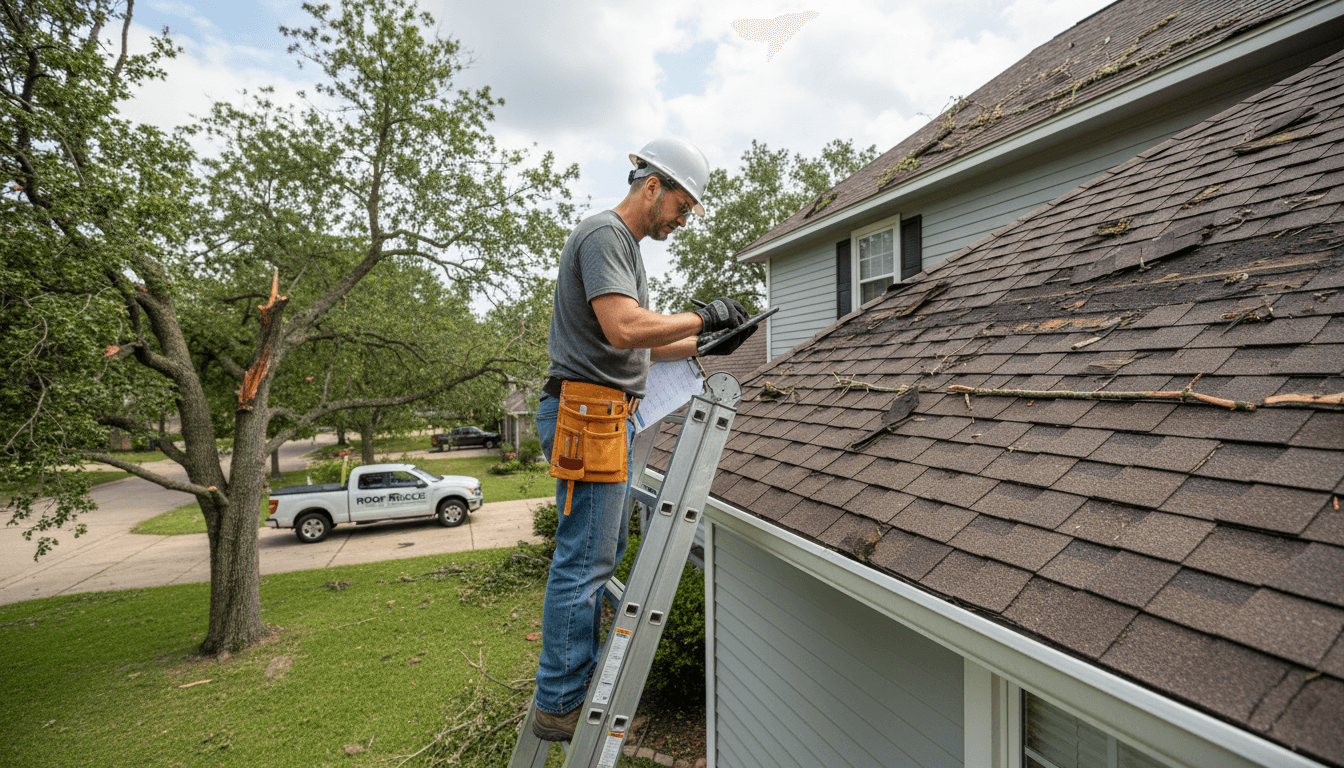
Inspect the flashing around chimneys, dormers, and vents. The repeated freeze-thaw cycles common in Price and Helper can cause metal components to expand and contract, eventually cracking the sealant or pulling the flashing away from the substrate. Furthermore, look for shingles that have been shifted or torn by heavy snow slides. These slides act like a slow-motion weight, often catching the edges of shingles and breaking their adhesive bonds.
While performing this audit, clear away organic debris that often gets trapped under snow packs. Wet leaves and pine needles held against the roof surface create moisture traps that can rot the decking underneath. If your inspection reveals widespread issues, keep the 25 percent rule in mind. Local building codes in many Utah jurisdictions mandate that if more than 25 percent of a roof surface is damaged, a full replacement is required rather than localized expert roof repairs. Identifying these issues early in the spring allows for scheduled maintenance before the summer heat further compromises the material integrity.
Summer: Defending Against High Altitude UV Rays

Once the spring rains subside, the high-altitude sun becomes the primary threat to your roof's integrity. In Carbon County, the UV index is frequently extreme, which accelerates the degradation of roofing materials through a process called photo-oxidation. South-facing slopes bear the brunt of this exposure. You should regularly check these areas for signs of blistering or warping. Blistering occurs when trapped moisture or gases in the shingle expand under intense heat, causing the surface to bubble and shed its protective granules, leaving the underlying mat vulnerable to the elements.
A unique challenge in our region is thermal shock. This phenomenon occurs when a blistering hot afternoon is interrupted by a sudden, cold monsoon thunderstorm. The rapid drop in temperature causes shingles and metal flashing to contract violently. Over time, this repeated expansion and contraction can pull fasteners loose or cause micro-cracks in the bitumen. This is a critical period to monitor for expert roof repairs to address any compromised seals before the next storm hits.
Despite the dry heat, do not ignore your drainage system. Mid-summer is the ideal time for a secondary gutter check. Localized monsoons in Utah can dump significant volume in a very short window. If your gutters are still holding debris from the spring, they will overflow, potentially causing flash flooding around your foundation or leaks in your basement. Ensuring clear downspouts is a vital part of any comprehensive Utah roof maintenance guide during the peak of summer.
Fall: The Critical Window for Winter Fortification
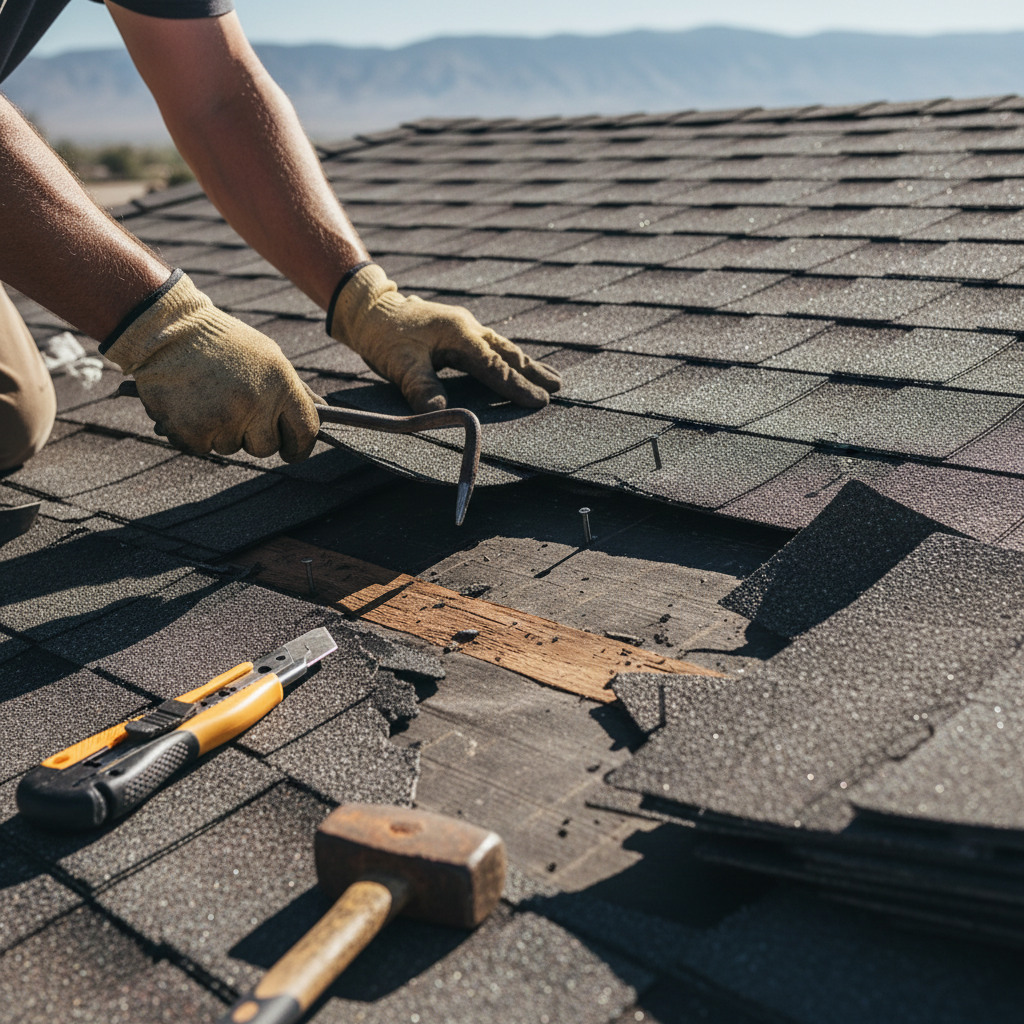
Fall serves as the most critical window in any Utah roof maintenance guide because it represents your final chance to secure the building envelope before the deep freeze. Once the mercury stays below freezing, asphalt shingles become brittle and adhesives fail to cure properly, making repairs significantly more difficult and expensive. You must act before the first major snow accumulation in Carbon County to ensure the structure is prepared for the coming weight and moisture.
Priority one is the gutter system. Thoroughly remove all pine needles, leaves, and sediment that have accumulated since spring. When gutters are clogged, they trap water that inevitably freezes, leading to the formation of ice dams. These dams force melting snow back under your shingles, which can rot the roof deck and saturate your insulation. Test each downspout with a hose to confirm that water is being diverted at least five feet away from your foundation.
Next, perform a close-up inspection of all roof penetrations. High-altitude UV rays from the summer months often dry out the sealant around vents, chimneys, and skylights. Look for cracked or peeling mastic and gaps in the metal flashing. If you identify compromised seals, securing expert roof repairs in October is far more effective than trying to patch a leak in January when the roof is covered in ice and the materials are too cold to bond correctly.
Finally, trim any tree branches that hang within six feet of your roofline. The weight of heavy Utah snow can easily snap these limbs, causing significant impact damage or tearing through the shingle surface. Proactive trimming prevents these structural hazards and reduces the amount of organic debris that will end up in your gutters during the next spring thaw.
Winter: Monitoring Snow Load and Ice Dam Prevention
Winter in Carbon County brings the most significant physical stress to your home. Two primary threats dominate this season: the sheer weight of snow accumulation and the formation of ice dams. When heat escapes from your living space into the attic due to poor insulation or blocked vents, it warms the roof deck from beneath. This causes the bottom layer of snow to melt, even in sub-freezing temperatures. As that meltwater runs toward the colder eaves, it refreezes, creating a thick ridge of ice that traps standing water behind it. You can spot this problem early by looking for large, heavy icicles hanging from the gutters or fascia, which often indicate that water is being forced back under your shingles.
Viewing attic insulation and ventilation as a critical part of a Utah roof maintenance guide is essential. Proper insulation keeps the roof deck cool, preventing the melt and freeze cycle that results in expert roof repairs. For managing heavy snow loads, use a telescopic roof rake from the safety of the ground to clear the first few feet of the eaves. Homeowners should never attempt to climb onto a snowy or icy roof, as the risk of catastrophic falls or damaging brittle shingles is too high. If you notice interior ceiling leaks or see ice building up behind the gutters, contact Keith Roofing to evaluate your attic’s thermal performance and ensure your structure is protected.
Professional Inspection vs. DIY: What to Look For
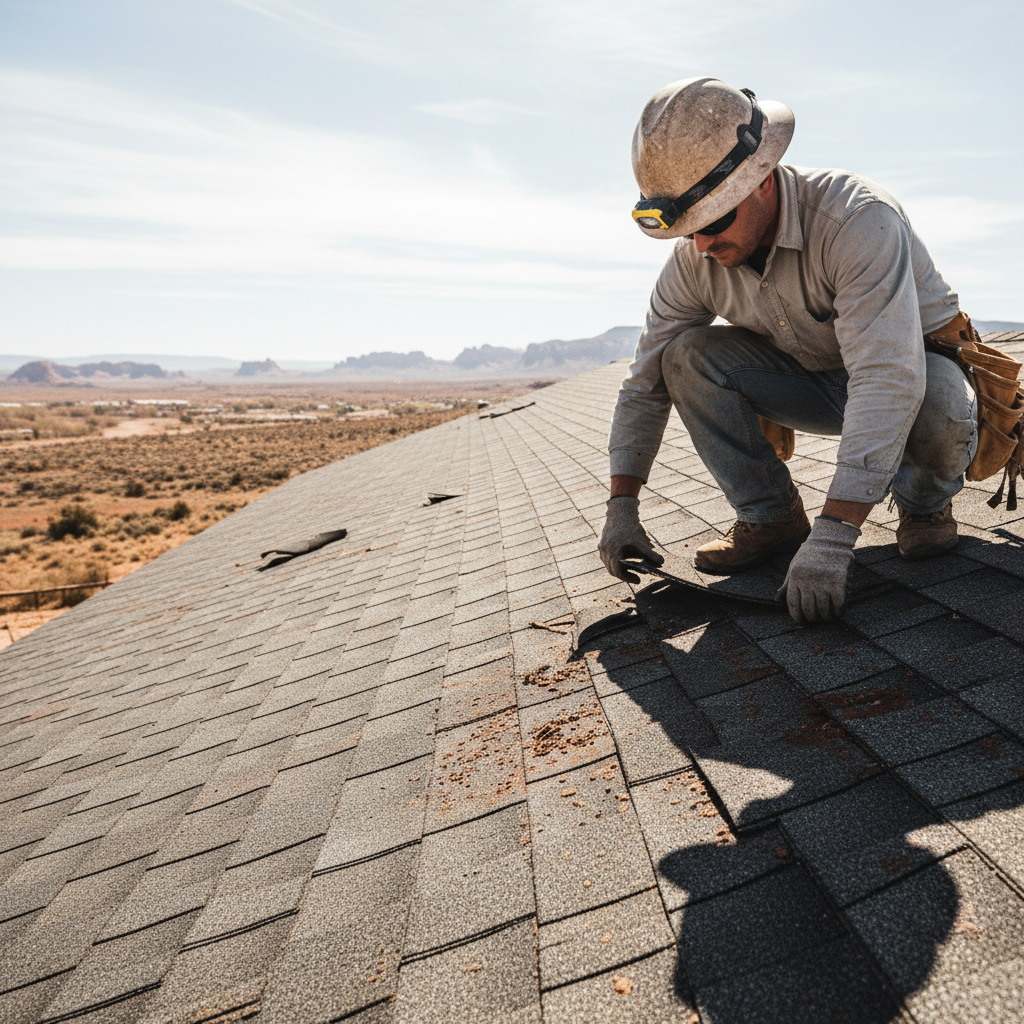
While a ground level visual check is a helpful component of your Utah roof maintenance guide, it cannot replace a full structural assessment. Homeowners can easily spot a missing shingle or a clogged downspout from the safety of the lawn, but professional residential roofing services involve identifying issues that remain invisible to the naked eye. We utilize specialized techniques to detect soft spots in the wood decking that suggest localized rot, often caused by slow seepage rather than a major breach.
A professional inspection also extends into the attic space. We look for rusted nails, damp insulation, or frosting on the underside of the roof deck, which are early indicators of ventilation failure and hidden moisture. These signs often appear months before you see a water stain on your interior drywall. Furthermore, we evaluate the integrity of the underlayment, the critical secondary barrier that can become brittle and fail even if the top shingles appear intact.
Homeowners should schedule a professional evaluation at least once a year or immediately following any significant hail event in Carbon County. Contact Keith Roofing to identify these vulnerabilities before they escalate. While DIY efforts provide basic awareness, expert roof repairs rely on the safety equipment and technical expertise required to safely access and probe high stress areas near valleys and flashing.
Looking Ahead: Roofing Trends for 2026 and Beyond
The roofing industry is shifting toward materials engineered for extreme resilience, moving beyond basic protection to active environmental defense. By 2026, Class 4 impact-resistant shingles are expected to become the baseline for homes throughout Carbon County. These shingles are designed to withstand high-velocity hail and wind-blown debris, significantly reducing the need for emergency expert roof repairs after a summer storm.
Sustainability and thermal control are also driving innovation through cool roofing technology. Modern asphalt shingles now incorporate specialized cooling granules that reflect a higher percentage of solar radiation. This technology reduces the heat transfer into your attic during Utah's scorching July afternoons, lowering utility bills and protecting the roof substrate from thermal fatigue. Additionally, lightweight metal systems are gaining popularity for their ability to shed heavy snow loads quickly; this prevents the accumulation that leads to structural stress and ice dams. If you are planning a future replacement, contact Keith Roofing to discuss how these emerging technologies integrate into your residential roofing services. Staying informed on these trends ensures your property remains a durable asset within any comprehensive Utah roof maintenance guide.
Taking care of your roof throughout the changing Utah seasons is the best way to prevent costly repairs and extend its lifespan. While many of these tasks are simple to perform on your own, having a professional eye can provide extra peace of mind. If you want expert help ensuring your home remains protected, learn more about our team and how we approach local roofing needs. We are here to help you navigate every season with confidence and quality care.