Asphalt shingles and metal roofing are widely considered the best roofing materials for Utah climate due to their durability against heavy snow, hail, and intense sun. Metal roofs offer superior snow shedding and a longer lifespan; meanwhile, high quality architectural shingles provide a versatile and cost effective option that handles the state's extreme temperature swings.
Living in Carbon County means your roof faces a relentless assault from high-altitude UV rays and heavy winter snow loads. Many homeowners find themselves dealing with premature shingle degradation or recurring ice dam issues because their roofing material simply was not designed for our specific thermal swings. Choosing the right material is not just about aesthetics; it is a critical investment in the structural integrity and energy efficiency of your property. In an environment where temperatures can shift forty degrees in a single day, your roof must be engineered to expand and contract without failing. This guide evaluates the top-performing options for our unique climate, ranging from architectural shingles to high-durability metal systems. You will also learn about the essential underlying components, such as ice shields and professional-grade underlayment, that provide the ultimate defense against the toughest seasons in Utah.
Understanding the Unique Demands of the Utah Climate
Carbon County presents a set of environmental stressors that most standard roofing materials are not designed to handle without specific modifications. Because we live at a higher altitude, our roofs are exposed to intense UV radiation that accelerates the breakdown of asphalt and protective coatings. This solar degradation is only half the battle. In areas like Price and Helper, the unique canyon weather creates localized wind patterns and rapid temperature drops that put immense physical strain on every shingle and seam.
When selecting the best roofing materials for Utah climate, you must account for the heavy snow loads and the relentless freeze-thaw cycles. During the day, the sun might melt the top layer of snow, but as temperatures plummet after sunset, that water refreezes and expands into gaps or under shingles. This process can quickly turn a minor vulnerability into a major leak if the system is not engineered for these specific thermal swings.
At Keith Roofing, we prioritize long term performance over the shortcut of a low initial bid. Providing residential and commercial roofing services in this region means understanding that a roof is a multi-decade investment. We evaluate materials based on their ability to resist thermal shock and shed snow effectively, ensuring that your property remains protected through the harshest January blizzards and the hottest July afternoons. This approach focuses on the total cost of ownership, helping homeowners avoid the cycle of frequent repairs common with sub-standard installations.
Architectural Asphalt Shingles: The Practical Choice for Carbon County
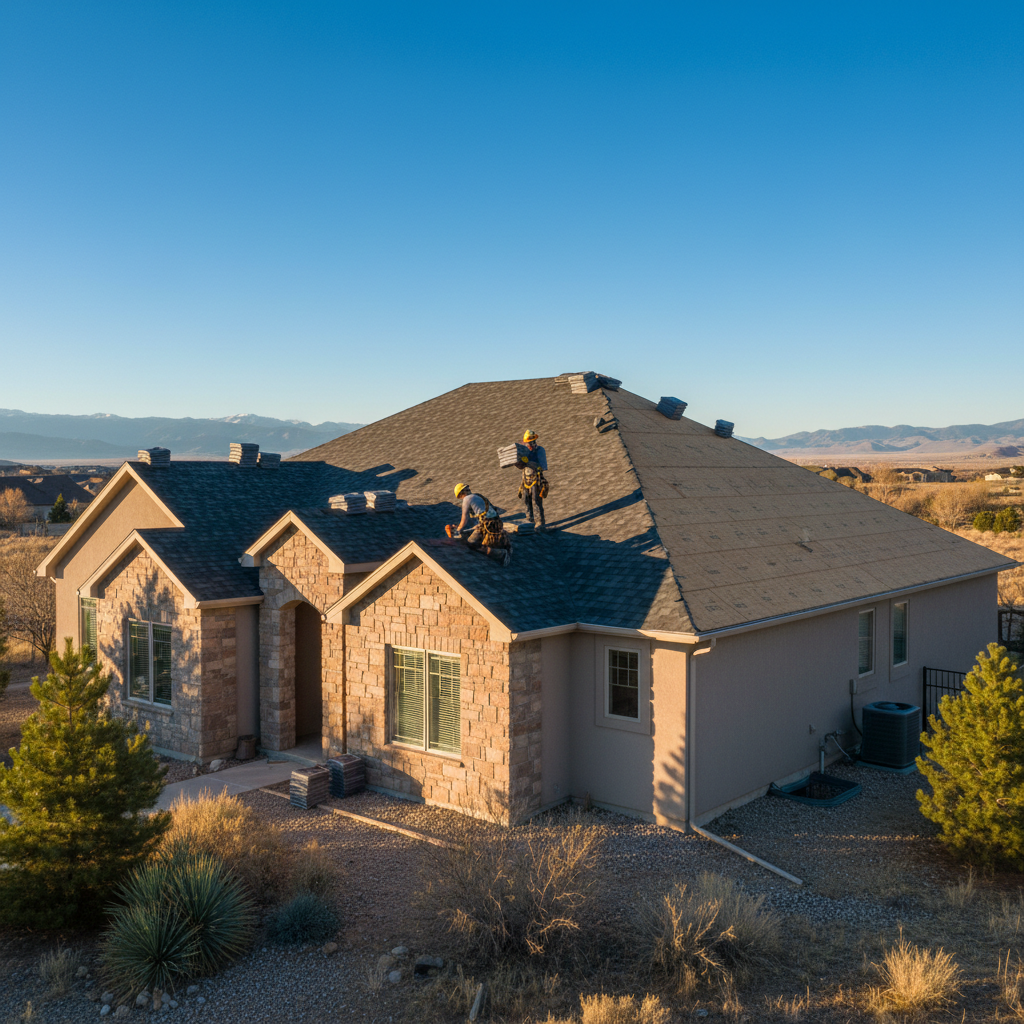
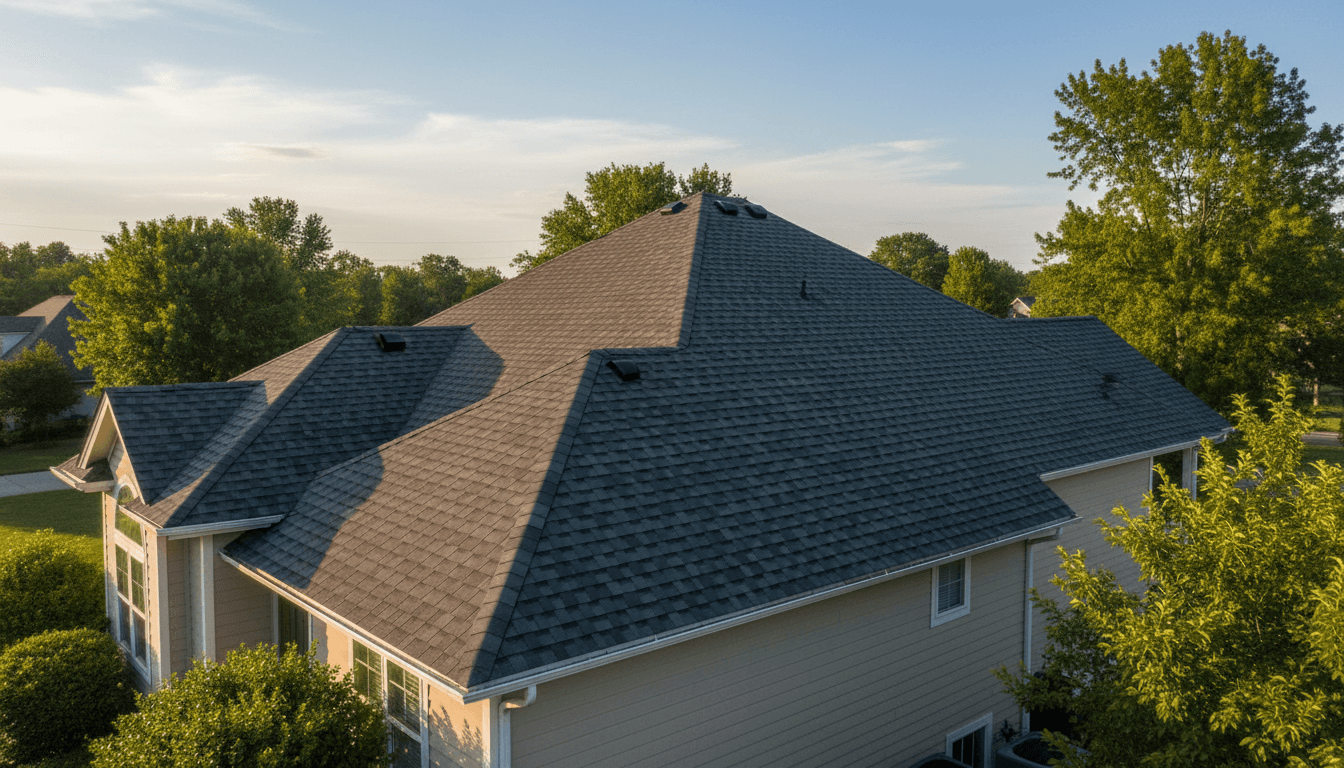
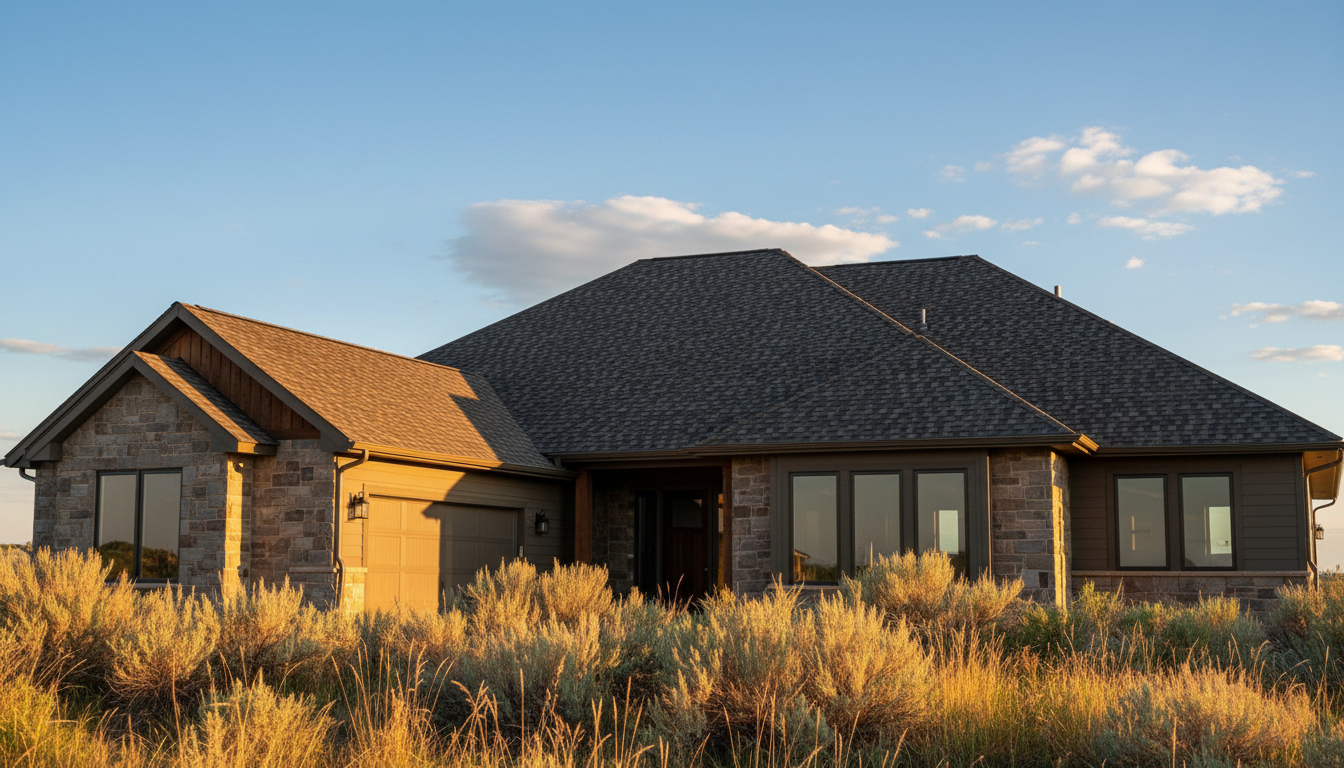
Architectural shingles, also known as laminated or dimensional shingles, have become the standard for Carbon County residential projects for several functional reasons. While traditional 3-tab shingles were once the norm, they often fail to provide the structural integrity required for the high-altitude environment. Architectural shingles are constructed with multiple layers of asphalt and fiberglass, creating a heavier, thicker profile that significantly improves wind resistance. In wind-prone areas like the Helper canyon or the open stretches near Price, we install shingles rated to withstand gusts between 130 and 150 mph. This is a critical upgrade over 3-tab options, which are frequently rated for only 60 mph and are prone to uplift during high-desert storms.
Beyond mechanical strength, modern asphalt technology addresses the intense solar heat common in our region. Many architectural products now incorporate specialized granules engineered to reflect a higher percentage of sunlight. By reducing the amount of thermal energy absorbed into the attic space, these shingles help lower indoor cooling costs during the peak of summer. This heat-reflective capability also slows the rate of shingle degradation, preventing the brittle cracking and premature granule loss caused by constant UV exposure.
Feature | Traditional 3-Tab Shingles | Architectural Shingles |
|---|---|---|
Wind Resistance | Up to 60 mph | 130 to 150 mph |
Composition | Single Layer | Laminated Multi-Layer |
Lifespan | 15 to 20 Years | 25 to 50 Years |
Visual Appeal | Flat and Uniform | Dimensional and Textured |
For the majority of residential and commercial roofing services we provide in Carbon County, architectural shingles represent the most cost-effective balance of upfront price and long-term protection. They offer a sophisticated, textured look while providing the reliable moisture barrier needed for heavy snow loads. If you are evaluating the best roofing materials for Utah climate for your specific property, contact Keith Roofing for a detailed assessment of your roof pitch and solar exposure.
Metal Roofing: The Long Term Performance Leader for Snow and Sun
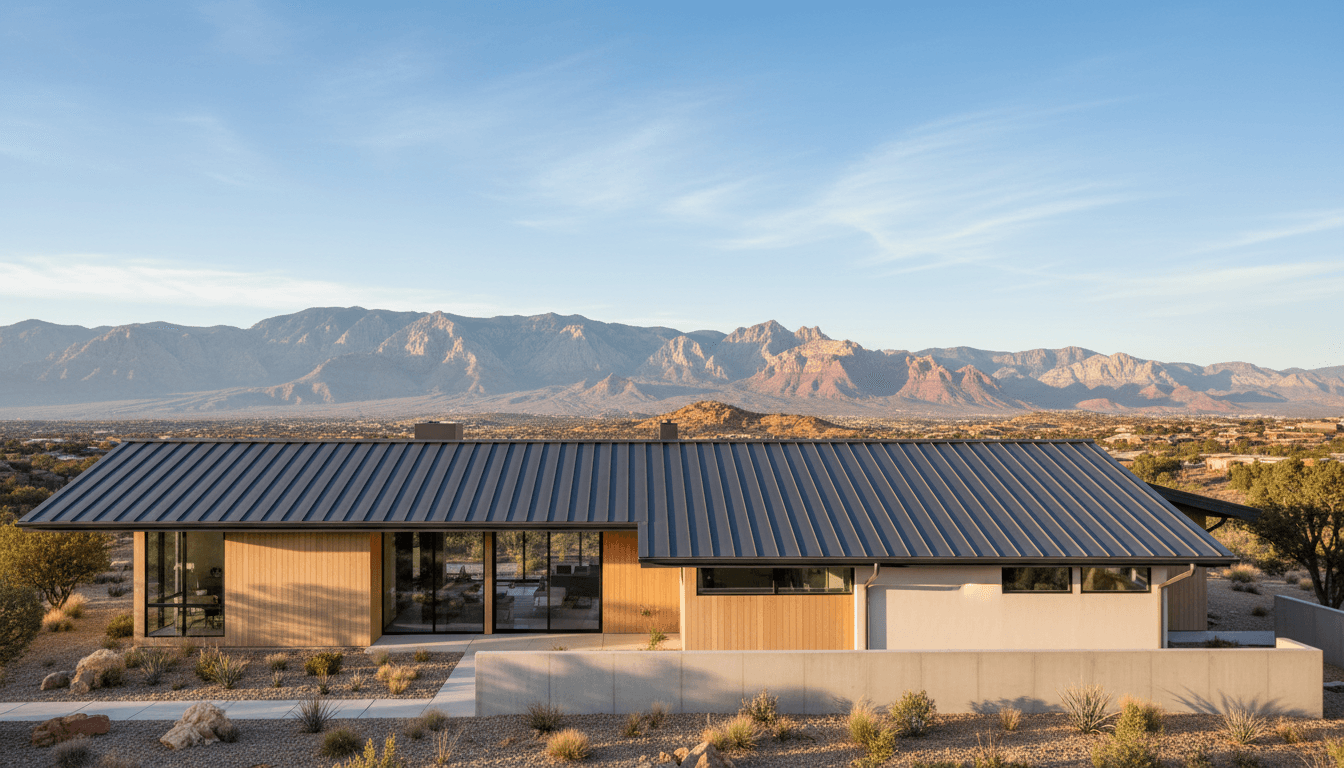
While architectural shingles are a solid baseline, metal roofing represents a significant step up in engineering for properties in Carbon County. Specifically, standing seam systems offer a performance profile that shingles cannot match in environments defined by heavy snowfall and high solar exposure. The smooth, non-porous surface of a metal roof, coupled with the vertical rib design, allows snow to shed quickly and efficiently. This shedding mechanism is the most effective way to prevent ice dams, which occur when snow remains on a roof, melts due to heat loss from the attic, and then refreezes at the cold eaves. By encouraging snow to slide off before it can begin this melt and refreeze cycle, metal roofs protect the structural integrity of your home's perimeter and gutters.
Longevity is the primary reason many owners of residential and commercial roofing services properties choose metal. While asphalt might provide 25 years of service, a properly installed metal system typically lasts between 40 and 70 years. This durability is largely due to the material's inherent UV resistance. Unlike petroleum-based materials that eventually dry out, become brittle, and crack under the intense high-altitude sun of the Price and Helper area, metal remains structurally stable over decades of exposure.
Selecting the right metal roofing materials for snow and sun Utah requires a deep understanding of thermal movement. Steel and aluminum panels expand and contract significantly as they heat up in the July sun and cool down on January nights. Professional standing seam systems utilize concealed clips that allow the panels to move or float during these extreme temperature swings. This design prevents the fasteners from backing out or the panels from buckling, which are common failure points in lower-quality metal installations where panels are simply screwed directly into the deck.
Performance Metric | Standing Seam Metal |
|---|---|
Average Lifespan | 40 to 70 Years |
Maintenance Frequency | Low |
Snow Shedding | Excellent |
UV Resistance | High / Permanent |
Fastener Type | Concealed / Floating |
The investment in metal is higher upfront, but the reduction in maintenance and the extension of the replacement cycle often make it the most economical choice over the life of the building. If you are considering an upgrade for a property with a difficult pitch or heavy snow exposure, contact Keith Roofing to discuss which metal gauges and profiles are best suited for your specific location.
Beyond the Surface: The Importance of Underlayment and Ice Shields
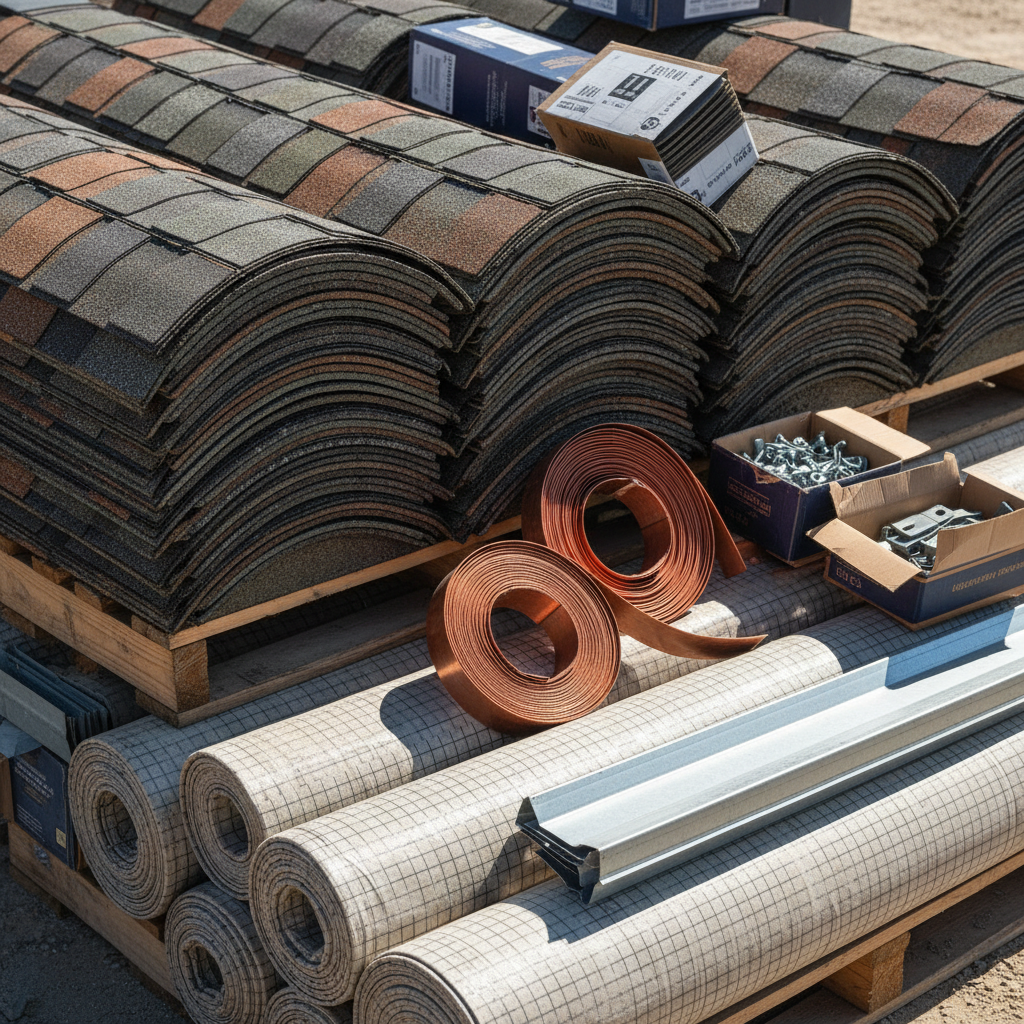
While the shingles or metal panels are the most visible part of residential and commercial roofing services, the performance of a roof in Carbon County depends heavily on what lies beneath them. In our region, the transition between the warm attic and the freezing exterior air creates a prime environment for ice damming. To combat this, we install self-adhered ice and water shields. A common question homeowners ask is whether it is okay to put an ice and water shield on the entire roof. While building codes typically require this protection only at the eaves and valleys, covering the entire deck is a valid strategy for low-slope sections or homes in particularly snowy microclimates. However, full coverage necessitates a perfectly executed ventilation system to prevent moisture from being trapped against the roof deck.
The invisible components, such as high-quality synthetic underlayment, provide a secondary line of defense against wind-driven rain and snow melt. Unlike traditional organic felt, synthetic materials do not crack in the cold or degrade under high-altitude UV if shingles are compromised. We prioritize these materials because they maintain their physical properties through the extreme temperature swings common in Price and Helper.
Component | Standard Requirement | Carbon County Recommendation |
|---|---|---|
Ice Barrier | 24 inches inside wall line | 36 inches or full valleys |
Underlayment | 15# or 30# Felt | High-tear Synthetic |
Valley Linings | Shingle-over | Ice Shield + Metal W-Valley |
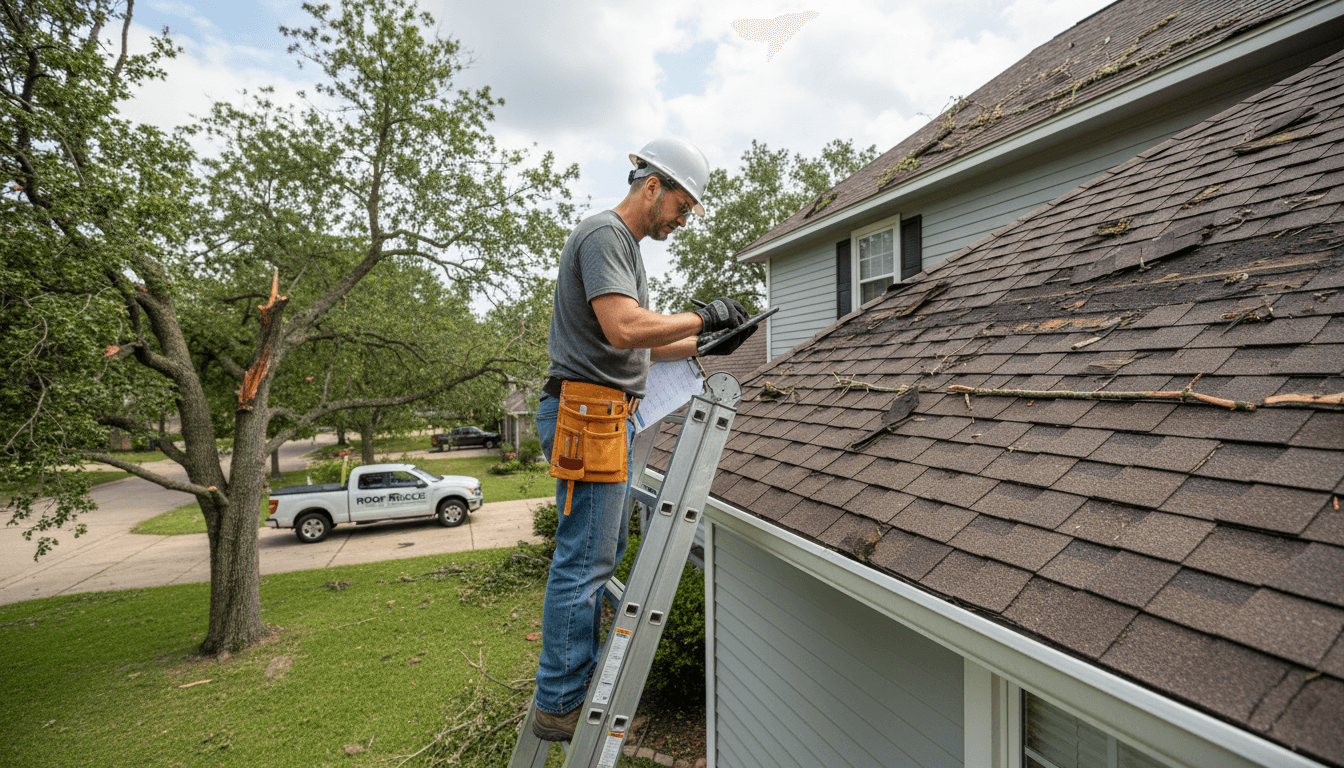
When assessing damage, we often guide clients through the 25 percent rule. Under many building codes, if more than 25 percent of a roof system is damaged or needs repair within a year, the entire roof must be replaced to meet current safety standards. This prevents the structural risks associated with a patchwork of old and new materials. If you are unsure if your underlayment is prepared for another winter, contact Keith Roofing for a professional inspection.
Commercial Roofing Options: TPO vs EPDM for Utah Business Owners
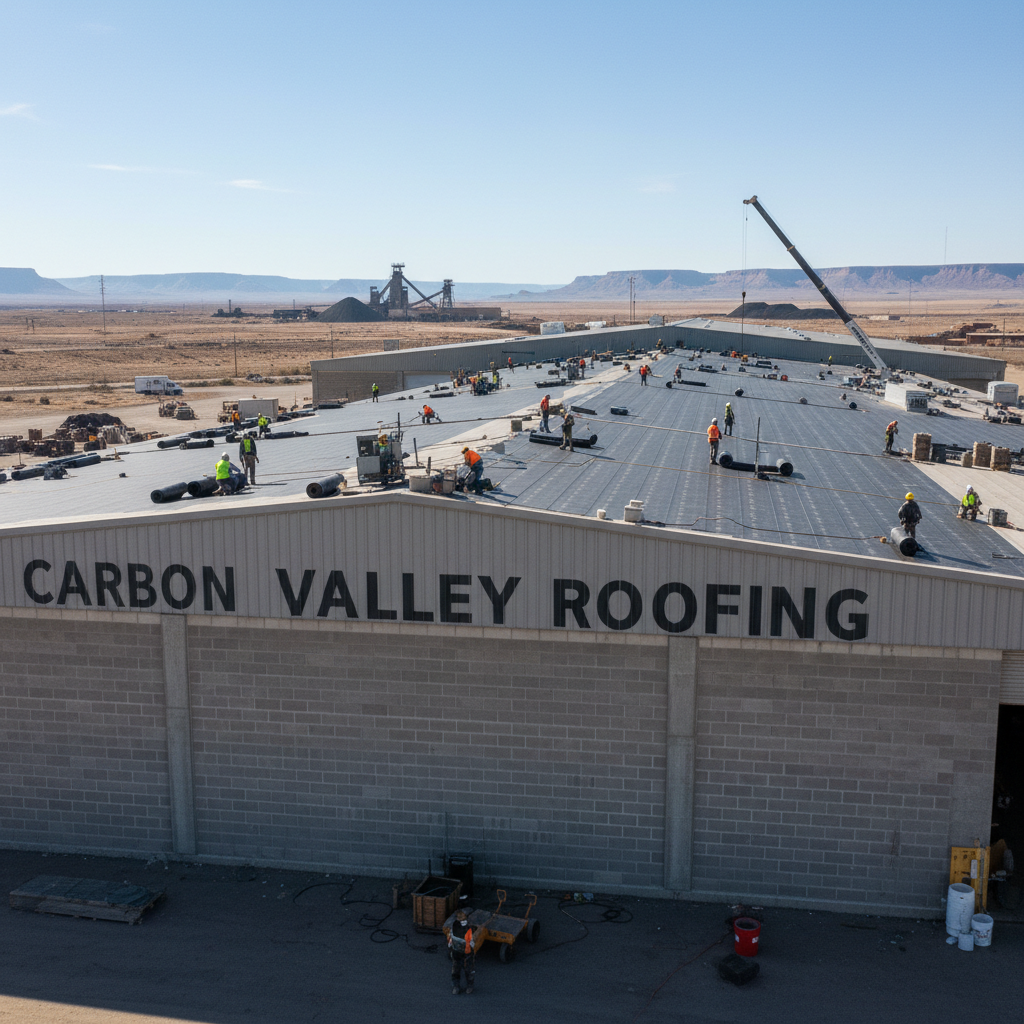
Commercial structures in Price and Helper often feature low-slope or flat roof designs that require a different engineering approach than residential gables. For these applications, the decision usually involves choosing between TPO (Thermoplastic Polyolefin) and EPDM (Ethylene Propylene Diene Terpolymer). TPO is a single-ply membrane that has gained significant traction as one of the best roofing materials for Utah climate because of its reflective properties. Its naturally white surface reflects high-altitude UV rays rather than absorbing them, which helps stabilize indoor temperatures and reduces the load on HVAC systems during our intense summer months.
In contrast, EPDM is a synthetic rubber known for its exceptional flexibility and resistance to cold-weather cracking. While its dark surface can help melt snow faster in the winter, it absorbs significant heat in the summer, which often leads to higher cooling costs. For businesses in Carbon County, where we experience a mix of high-desert sun and heavy mountain snow, TPO is often the more practical choice. It offers the heat reflection needed for July while maintaining enough seam strength to handle the weight of a February snowpack. When providing residential and commercial roofing services, we typically recommend TPO for its energy efficiency and heat-welded seams, which provide a more robust moisture barrier than the adhesive-taped seams found in many EPDM systems. If you are evaluating a flat roof project, contact Keith Roofing to discuss which membrane thickness and attachment method fits your building's structural requirements.
Feature | TPO (Thermoplastic Polyolefin) | EPDM (Ethylene Propylene Diene Terpolymer) |
|---|---|---|
Primary Color | White (Reflective) | Black (Absorptive) |
Seam Method | Heat-Welded (Stronger) | Adhesive Tape |
UV Resistance | Excellent | Good |
Energy Efficiency | High (Cooling Focus) | Low (Heating Focus) |
Selecting Your Material: A Carbon County Decision Matrix
Finalizing your choice involves weighing long term maintenance against immediate budget constraints. In Carbon County, the orientation of your home is a major factor. A north facing slope that sits in the shadow of the house for most of the winter requires superior snow shedding capabilities, whereas a south facing slope needs maximum UV protection to prevent the material from becoming brittle. Finding the best roofing materials for Utah climate depends on matching the product to these environmental variables.
Material | Lifespan | Maintenance | Hail/UV Performance | Best For |
|---|---|---|---|---|
Architectural Asphalt | 25-50 Years | Moderate | Good / Moderate | Standard Residential |
Standing Seam Metal | 40-70 Years | Low | High / Excellent | High Snow / Steep Pitch |
TPO Membrane | 20-30 Years | Low | Moderate / High | Commercial Flat Roofs |
Every property in Price or Helper has a different pitch and exposure profile. We use our local expertise to help you navigate these trade-offs, ensuring your investment in residential and commercial roofing services matches the specific demands of your site. If you are ready to determine the ideal material for your project, contact Keith Roofing for a detailed consultation. We examine your roof geometry and surrounding terrain to provide a recommendation that ensures durability and weather protection for years to come.
Protecting your Carbon County home requires a roofing material that can handle Utah's intense temperature swings and heavy snowfall. By selecting a durable option tailored to our local climate, you ensure long term peace of mind and structural integrity. If you want expert help deciding which material is right for your property, feel free to look through our roofing services for more information. Taking this step ensures that your investment remains secure, reliable, and perfectly suited to the local environment.