The best commercial flat roof Utah business owners can select depends on balancing budget and performance; TPO is the most popular choice for its energy efficiency and value. EPDM serves as a cost-effective rubber alternative, while PVC offers premium protection and chemical resistance for specialized industrial buildings. Regular maintenance, including biannual inspections and clearing drainage systems, ensures these materials withstand Utah's unique weather conditions.
In the high desert climate of Utah, a commercial flat roof faces a relentless cycle of intense UV radiation, heavy snow accumulation, and rapid temperature swings. These environmental stressors often lead to premature membrane failure, unexpected leaks, and soaring energy costs for business owners who select the wrong materials. Navigating the choice between TPO, EPDM, and PVC requires more than just a surface level understanding of price points. It demands a strategic evaluation of how each system responds to the specific demands of our high elevation landscape. In this guide, we provide an expert breakdown of the top commercial roofing options, detailed cost comparisons, and essential tax considerations like the 25 percent rule. You will also learn how to protect your investment through a targeted preventative maintenance checklist designed specifically for Utah commercial properties.
Understanding the Commercial Flat Roof Landscape in Utah
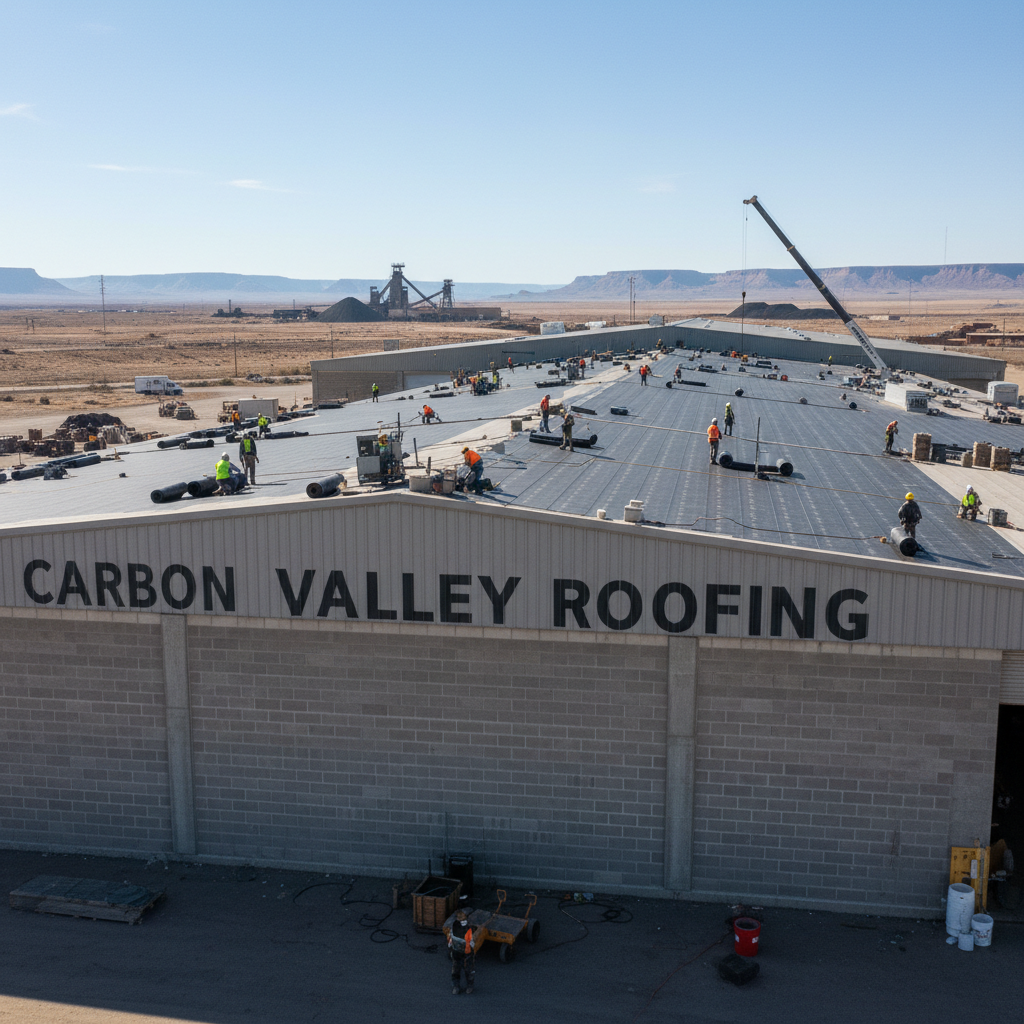
Protecting a business in Carbon County requires a specialized strategy that differs significantly from residential applications. Commercial structures often utilize low-slope or flat designs that must withstand extreme environmental pressure. For a commercial flat roof Utah, the selection typically narrows down to three primary single-ply membranes: TPO (Thermoplastic Polyolefin), EPDM (Ethylene Propylene Diene Monomer), and PVC (Polyvinyl Chloride).
While these materials may appear identical from the street, their chemical properties and installation methods dictate how they survive high-elevation UV exposure and drastic temperature fluctuations. A one size fits all approach often results in premature system failure; what works for a retail storefront may not be suitable for a facility with high chemical exhaust or heavy snow accumulation. At Keith Roofing, we prioritize selecting materials based on the specific thermal shock and physical stress a building will face. Choosing the wrong membrane can lead to cracked seams or delamination within a few short years. Understanding these differences is the first step in securing commercial roofing services that provide long term protection. For more background on local options, consult our roofing materials guide to see how various systems perform in high-altitude environments.
TPO Roofing: The Energy Efficient Choice for High Elevation UV
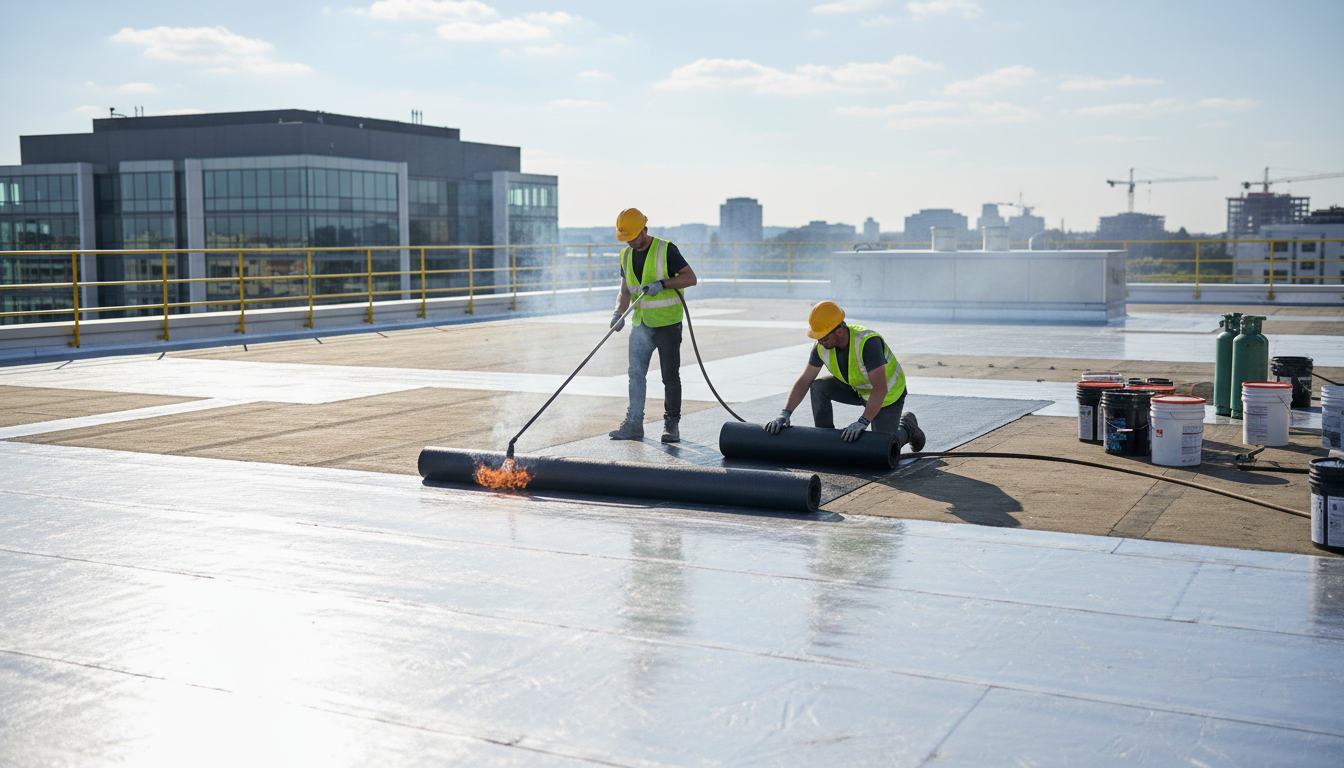
Thermoplastic Polyolefin, or TPO, is a single ply reflective membrane that has become a staple for many commercial flat roof Utah installations. As a thermoplastic, TPO is naturally white or light gray, which allows it to reflect a significant portion of solar radiation. In the high elevation climate of Carbon County, where the summer sun is particularly intense, this reflectivity helps stabilize indoor temperatures and reduces the load on HVAC systems. Business owners often see a noticeable decrease in cooling costs compared to darker roofing materials.
One of the most critical advantages of TPO is its installation method. Unlike systems that rely on adhesives or tapes, TPO seams are heat welded. This process uses hot air to fuse the sheets together, creating a monolithic, waterproof layer across the entire surface. These welded seams are significantly stronger than the membrane itself and are less prone to failure during the rapid temperature swings common in our region. This structural integrity is a core component of the commercial roofing services we provide.
For businesses in Price and the surrounding areas, we typically recommend a membrane thickness of at least 60 mil. While a 45 mil option exists, the extra thickness provides necessary durability against physical stresses like snow removal and the accelerated degradation caused by high altitude UV rays. TPO represents the middle ground for many local owners, offering a balance of modern energy efficiency and long term performance without the higher initial investment required for specialized materials. If you are evaluating options for your facility, contact Keith Roofing to discuss how TPO fits your specific building requirements.
EPDM Roofing: The Durable Rubber Workhorse for Cold Winters
Ethylene Propylene Diene Monomer, or EPDM, is a synthetic rubber membrane that has served as the industry workhorse for decades. Its most recognizable feature is its deep black color. While white membranes reflect light, EPDM absorbs solar heat. For a commercial flat roof Utah installation, this thermal absorption is a double-edged sword. During our freezing Carbon County winters, the black surface helps melt snow and ice faster, reducing the weight load on your structure. Conversely, this same trait can lead to higher cooling costs during the summer months when the roof surface temperatures soar.
Installation methods vary based on the building structural capacity and budget:
Installation Method | Description | Primary Benefit |
|---|---|---|
Ballasted | Membrane held in place by large river rocks or pavers. | Fast installation and lower material cost. |
Mechanically Attached | Membrane fastened to the deck using specialized screws and plates. | Lightweight and secure in high wind zones. |
Fully Adhered | Membrane bonded to the insulation or deck using liquid adhesive. | Maximum wind uplift resistance and durability. |
A significant difference between EPDM and thermoplastic options involves the seams. While TPO is heat welded, EPDM relies on adhesive seam tape. Historically, these taped joints are the most common point of failure. In Utah's extreme freeze-thaw cycles, the constant expansion and contraction of the rubber can stress these seams. Proper priming and professional application are vital to prevent moisture from infiltrating the system. For business owners prioritizing cold-weather flexibility, our commercial roofing services ensure these systems are installed to withstand the specific pressures of high-altitude climates. If you are comparing rubber to other membranes, our roofing materials guide provides further technical breakdowns, or you can contact Keith Roofing for a site-specific evaluation.
PVC Roofing: The Premium Solution for Specialized Commercial Buildings
Polyvinyl Chloride, commonly known as PVC, serves as the premium tier for a commercial flat roof Utah project. While it shares the white, reflective appearance of TPO, the chemical composition of PVC is engineered for extreme environments. It is the mandatory choice for buildings in Carbon County that house restaurants or food processing facilities. The animal fats and grease exhausted through rooftop vents can cause other membranes to soften and degrade; PVC remains chemically stable and resistant to these substances.
Like TPO, PVC features heat welded seams that provide a watertight, monolithic surface. However, PVC generally offers superior long term flexibility and enhanced fire resistance. In an industrial setting where chemicals, oils, or specialized pollutants are present, this durability is essential for preventing leaks that could compromise the roof deck.
Feature | PVC Membrane Details |
|---|---|
Best Use | Restaurants, Industrial Plants, Chemical Exposure |
Seam Method | Hot-Air Heat Welded |
Lifespan | 30+ Years |
Fire Rating | Naturally Fire Resistant |
Chemical Resistance | High (Grease, Acids, Oils) |
While the initial investment is higher, typically ranging from $6.50 to $12.00 per square foot, the value lies in its longevity. A professionally installed PVC system can exceed a 30 year lifespan, even when subjected to the harsh UV and temperature swings of the high desert. For businesses requiring maximum protection and minimal chemical sensitivity, our commercial roofing services often recommend PVC as the most resilient long term solution. You can contact Keith Roofing to determine if your facility specific exhaust or environmental factors necessitate this high performance material.
Comparing Costs: Commercial Roof Replacement Cost Utah
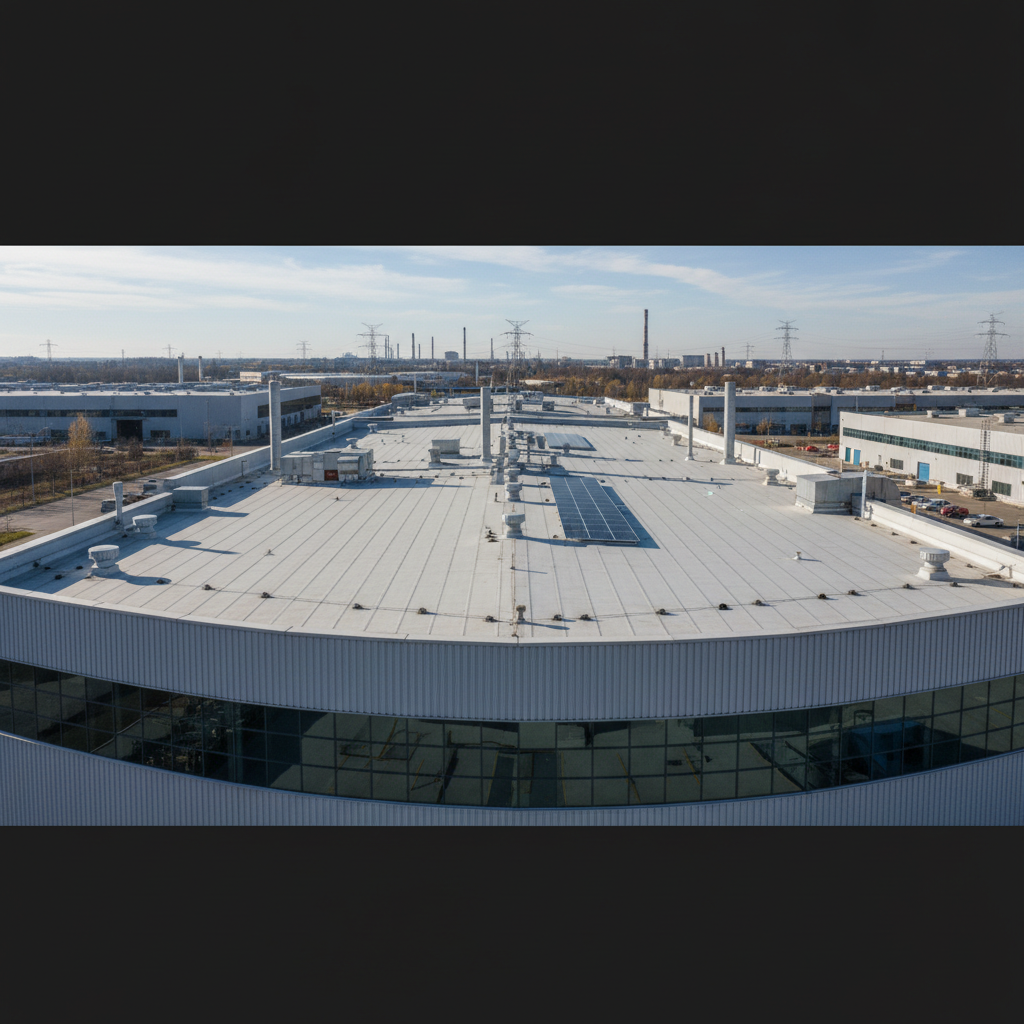
Estimating the investment for a commercial flat roof Utah project requires balancing material performance with long term budget goals. While specialized membranes like PVC offer distinct advantages for Carbon County industrial sites, the upfront price reflects those premium properties. Industry averages for professional installation in our region provide a baseline for your capital planning.
Membrane Type | Estimated Cost Per Sq. Ft. | Estimated Cost Per Square (100 Sq. Ft.) |
|---|---|---|
EPDM (Rubber) | $4.50 to $8.00 | $450 to $800 |
TPO (Reflective) | $5.50 to $9.50 | $550 to $950 |
PVC (Premium) | $6.50 to $12.00 | $650 to $1,200 |
Business owners frequently ask how much a 1000 square foot roof should cost. Based on current market data, a small commercial unit of this size typically ranges from $4,500 to $12,000 for a full replacement. These estimates cover standard installation, but final quotes fluctuate based on insulation thickness and roof complexity. Adding rigid foam to meet modern energy codes or navigating numerous HVAC penetrations on a Price storefront will push costs toward the higher end of the scale. Consulting our roofing materials guide can help you weigh these costs against expected lifespans. For a detailed quote on our commercial roofing services, contact Keith Roofing to schedule a site evaluation.
The 25 Percent Rule and Commercial Property Tax Expenses
Local building codes often dictate when a repair is no longer a viable option. Under the 25 Percent Rule, if more than 25 percent of a roof area is damaged or requires replacement within a 12 month period, the entire system must generally be brought up to current building codes. For a commercial flat roof Utah installation, this often means that what started as a minor patch job triggers a legal requirement to upgrade insulation thickness to meet modern R-value standards. This rule prevents property owners from performing endless piecemeal repairs on failing systems that no longer protect the structure or meet safety requirements.
From a financial perspective, understanding how the IRS views these costs is vital for annual budgeting. Generally, minor maintenance and localized repairs are classified as current expenses, which means they can be fully deducted in the year the work is performed. In contrast, a complete replacement provided by our commercial roofing services is considered a capital improvement. These projects usually require depreciation over a 39 year recovery period; however, tax provisions like Section 179 may allow some businesses to expense the full cost in a single year. Because these classifications significantly impact your bottom line, Keith Roofing recommends consulting with a qualified CPA to evaluate your specific situation. When you are ready to explore your options, contact Keith Roofing for a professional assessment that aligns with both local codes and your long term property goals.
Utah Climate Factors: UV, Snow Loads, and Thermal Shock
Operating a business in Carbon County presents unique environmental challenges that a standard roofing system cannot ignore. Our high elevation results in a thinner atmosphere, which allows aggressive UV rays to degrade membranes faster than at sea level. This intense solar exposure is followed by significant thermal shock; a phenomenon where a commercial flat roof Utah experiences rapid expansion and contraction as a 90 degree afternoon plummets to a 40 degree night.
These drastic temperature swings put immense pressure on the seams of a roofing system. Heat welded membranes like TPO and PVC generally outperform EPDM in these conditions because the seams are fused into a single, continuous layer. In contrast, glued or taped seams on rubber roofs can lose their bond over years of repetitive stretching and shrinking. When selecting commercial roofing services, it is essential to consider how snow loads and melt cycles will interact with your chosen material. For a personalized assessment of how these local factors affect your property, contact Keith Roofing to discuss the best defensive strategy for your building.
Preventative Commercial Roof Maintenance Checklist for Utah Owners

Maintaining a commercial flat roof Utah installation requires a proactive strategy to combat Carbon County’s high-altitude environment. A formal maintenance program, often required to keep manufacturer warranties valid, can extend the service life of your membrane by five to ten years. Professional inspections should occur biannually, once in the spring to assess winter wear and once in the fall to prepare for upcoming snow loads.
For businesses in the Price area, industrial debris and coal dust present a specific challenge. This fine particulate can accumulate in low spots, accelerating membrane degradation or clogging vital drainage systems. Clearing this grit is just as important as inspecting the physical membrane.
Maintenance Task | Priority Window | Objective |
|---|---|---|
Scupper and Drain Clearing | Pre-Winter (Fall) | Ensure meltwater flows freely to prevent ponding and ice dams. |
HVAC Flashing Inspection | Biannual | Check for cracked seals around units caused by thermal shock. |
Industrial Debris Removal | Quarterly | Remove coal dust and grit that trap moisture against the membrane. |
Seam and Puncture Check | Post-Winter (Spring) | Identify stress fractures from snow loads or freeze-thaw cycles. |
Addressing small issues like a loose flashing detail or a blocked scupper prevents moisture from entering the building envelope. If you need a formal inspection to document your roof’s condition, contact Keith Roofing for professional commercial roofing services. Keeping a detailed log of these visits is essential for long-term property management and insurance claims. You can also review our roofing materials guide for more information on how different systems respond to localized maintenance needs.
Choosing the right material for your commercial flat roof in Utah depends on your budget, climate needs, and building structure. Each option offers distinct advantages for your business; it just depends on whether you prioritize the durability of PVC, the cost-effectiveness of TPO, or the resilience of EPDM. If you want expert help determining which solution fits your project best, our team is here to guide you. You can explore our full range of professional Services to find the right path forward for your property. We look forward to helping you protect your investment.